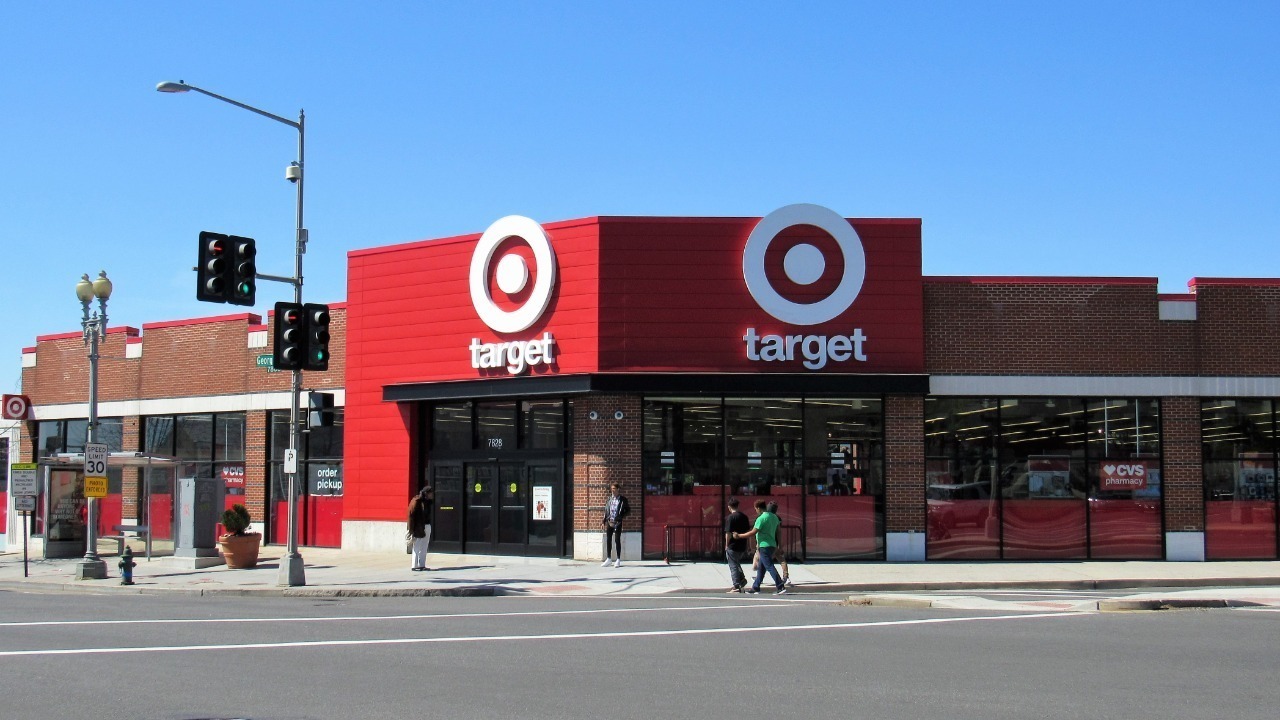
Target is racing to keep shoppers from drifting away, reshaping everything from prices to store layouts as competition for household budgets intensifies. The retailer is cutting prices on thousands of everyday items, leaning harder on its private labels, and rethinking how its stores and app work together so customers have fewer reasons to defect to rivals.
I see a company trying to reset its value promise without abandoning the curated, slightly aspirational feel that made Target a staple for middle-income families. The question now is whether these moves are bold enough, and fast enough, to stabilize traffic and rebuild loyalty in a retail landscape that is tilting toward extreme value and ultra-convenience.
Target leans on price cuts to reset its value image
Target is making a very public bet that sharper prices on basics can stop shoppers from trading down to dollar stores and warehouse clubs. The company has announced price reductions on thousands of grocery and household items, focusing on categories like milk, meat, snacks, paper goods, and cleaning supplies that anchor weekly trips and shape perceptions of overall affordability. By concentrating cuts on high-frequency purchases, Target is trying to convince budget-conscious families that they can still do a full stock-up run without feeling punished at the register, a critical step if it wants to keep them from shifting more of their baskets to lower-cost competitors.
These reductions are not framed as short-term promotions but as a structural reset of everyday prices, which matters for credibility with shoppers who have grown skeptical of temporary deals. Target has highlighted that the new price points cover roughly 5,000 items, including staples like bread, eggs, and coffee, signaling that the effort is broad enough to be felt in a typical cart rather than confined to a few headline-grabbing SKUs. The company is also layering these cuts on top of its existing loyalty and coupon ecosystem, using its Target Circle program and app-based offers to deepen savings for engaged customers while still advertising visible shelf-price relief for casual visitors. Target price cuts
Private labels and “cheap-chic” are doing more of the heavy lifting
Alongside lower prices on national brands, Target is leaning harder on its own private labels to keep customers from drifting away. Store brands like Good & Gather, Up & Up, and Favorite Day give the retailer more control over margins and pricing, which it can use to offer compelling value without turning stores into bare-bones discount boxes. By expanding assortments in food, household essentials, and apparel under these in-house banners, Target is trying to reinforce the idea that shoppers can trade down within the store rather than leaving for a cheaper rival, preserving traffic while still acknowledging tighter budgets.
That strategy plays directly into Target’s long-cultivated “cheap-chic” positioning, where design and packaging help justify a trip even when a shopper could find a similar item for a few cents less elsewhere. The retailer has been refreshing key private-label lines with updated packaging, expanded size ranges, and trend-aware designs, especially in categories like women’s apparel and home décor, to keep them feeling current rather than purely utilitarian. The goal is to make the value proposition feel like a smart choice instead of a compromise, so a shopper who picks a Good & Gather snack or an Up & Up cleaning product feels they are getting both savings and style. Private-label strategy
Store experience and layout are being tuned to everyday missions
Target is also reworking the in-store experience so it better matches how people actually shop in a more cautious economy. The company has been adjusting layouts to bring essentials like groceries, baby products, and household basics closer to the front of the store, reducing the friction for quick trips and making it easier for time-pressed shoppers to get in and out. At the same time, it is preserving curated “discovery” zones in beauty, home, and seasonal merchandise, trying to maintain the sense of browsing and inspiration that differentiates Target from more utilitarian chains.
These layout changes are paired with investments in store remodels and new formats that emphasize convenience. Target has been rolling out updated locations with brighter lighting, clearer sightlines, and more prominent pickup counters, reflecting the growing share of orders that start online but are fulfilled in-store. By making it simpler to combine a curbside pickup run with a quick essentials grab, the retailer is trying to keep its stores central to everyday routines rather than letting them become occasional destinations. Store layout changes
Digital, pickup, and loyalty are being stitched into one ecosystem
Target’s digital strategy is increasingly about making the app, website, and stores feel like one continuous experience, which is crucial if it wants to keep customers from defaulting to Amazon or Walmart for routine purchases. The company has been refining its same-day services, including Drive Up and Order Pickup, so shoppers can place an order on the app and retrieve it curbside within hours, often without fees. That speed and predictability are designed to match or beat the convenience of home delivery for many suburban households, especially when combined with the ability to add last-minute items or handle returns in the same trip.
On the loyalty side, Target has revamped its Target Circle program to make rewards more automatic and easier to understand, reducing the friction that can cause casual users to disengage. Personalized offers now surface directly in the app based on past purchases, nudging shoppers to consolidate more of their spending with Target in exchange for targeted discounts on categories they already buy. By tying these perks to both in-store and online behavior, the retailer is building a feedback loop where every trip, whether physical or digital, strengthens the relationship and makes it slightly less likely that a customer will wander to a rival for their next stock-up. Target Circle redesign
Security, shrink, and trust: tackling the “bad trip” problem
One of the quieter but critical ways Target is trying to keep customers from leaving is by addressing the safety and shrink issues that can make a store visit feel uncomfortable or frustrating. The company has cited higher levels of theft and organized retail crime as a drag on profitability and a factor in closing some underperforming locations, a trend that can erode shopper confidence if not managed carefully. To counter this, Target has been investing in additional security measures, including more visible staff presence, refined product placement, and selective use of locked cases in high-risk categories, aiming to protect inventory without turning stores into unwelcoming environments.
These efforts are as much about perception as they are about loss prevention. A shopper who encounters empty shelves, long waits for staff to unlock basic items, or a generally tense atmosphere is less likely to return, regardless of how competitive the prices are. By calibrating its security response and communicating that changes are meant to keep stores safe and well-stocked, Target is trying to preserve the sense of ease that has historically been part of its appeal. The company’s public comments on shrink and store closures underscore how seriously it takes the link between safety, in-stock levels, and customer loyalty. Shrink and safety
More From TheDailyOverview
- Dave Ramsey warns to stop 401(k) contributions
- 11 night jobs you can do from home (not exciting but steady)
- Small U.S. cities ready to boom next
- 19 things boomers should never sell no matter what

Grant Mercer covers market dynamics, business trends, and the economic forces driving growth across industries. His analysis connects macro movements with real-world implications for investors, entrepreneurs, and professionals. Through his work at The Daily Overview, Grant helps readers understand how markets function and where opportunities may emerge.