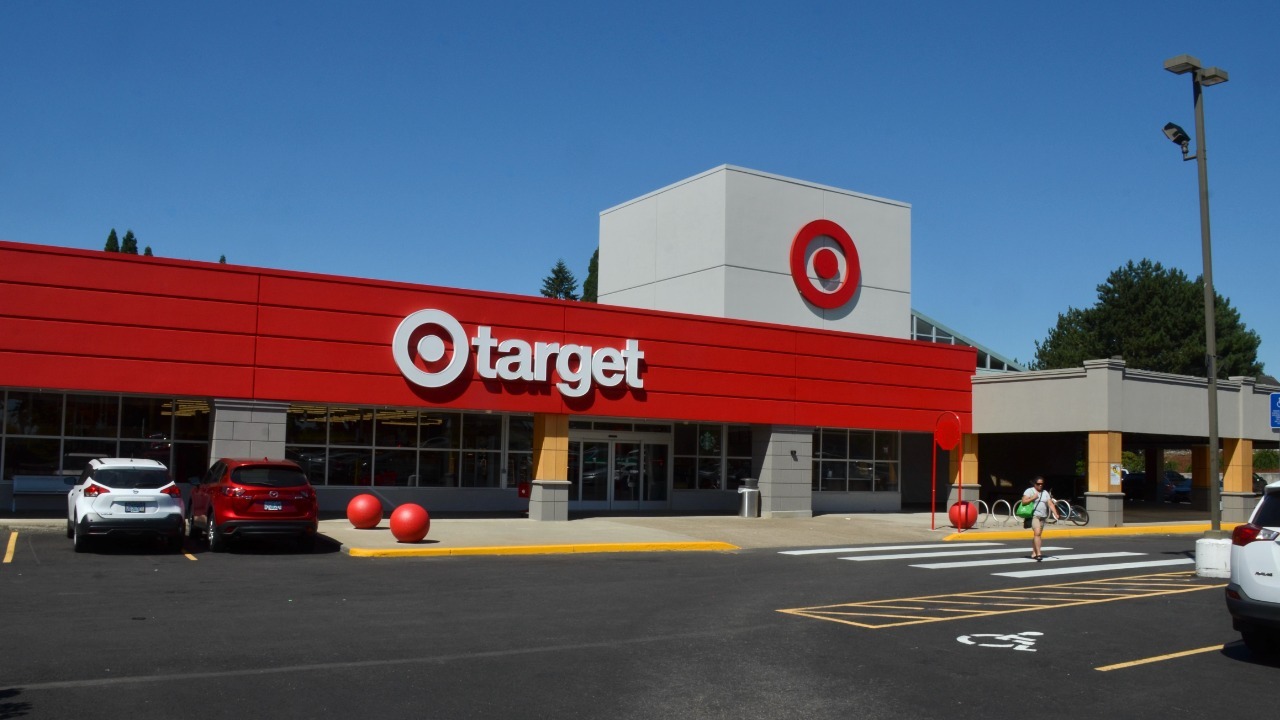
Target has spent the past few years watching profits leak out of its stores as theft and other losses quietly eroded margins. Now the retailer is betting that a mix of redesigned stores, tougher intervention rules, and new technology can finally plug a problem that has cost it billions of dollars in profit. The fix is not a single gadget or policy, but a sweeping reset of how Target thinks about safety, staffing, and the basic act of checking out.
The stakes are clear: if Target can curb losses without alienating shoppers, it will not just protect earnings, it will also set a template for how big-box chains navigate a more brazen era of retail crime. If it gets the balance wrong, the company risks trading away the easy, open shopping experience that made its red bullseye a destination in the first place.
The scale of the shrink problem Target had to solve
Before Target could claim any kind of solution, it had to acknowledge the size of the hole in its profit and loss statement. The company has warned investors that shrink, the industry term for inventory losses from theft, fraud, and errors, would cut into earnings by more than $1.3 billion in a single year, a hit large enough to overshadow modest sales growth. Executives have been explicit that the drag is not theoretical, pointing to a forecast that shrink would reduce annual profitability by more than $500 million compared with the prior year, on top of an already elevated base.
That $500 m figure is not a rounding error, it is a direct threat to the thin margins that define mass retail. Target has said that shrink would trim profits by more than $500 million even as it expected roughly 1 percent growth in traffic, a reminder that more shoppers walking through the doors do not help if too much merchandise walks out unpaid. The company’s chief financial officer has described retail theft as a “significant obstacle” and cautioned that progress would be gradual, signaling that any fix would have to be structural rather than cosmetic, and that investors should expect a multi-year campaign rather than a quick win.
From red carts to red flags: how Target’s stores became a test lab
Target’s answer has started on the sales floor, where the retailer has quietly turned its familiar aisles into a test lab for loss prevention. The company has been reworking store layouts, tightening control over high-risk categories, and embedding security thinking into everyday design choices. That effort shows up in its own description of a “safe and secure toolbox,” a bundle of tactics and store design elements that range from physical barriers to new ways of routing shoppers and employees through the space.
Those changes are layered on top of a broader refresh of the chain’s physical footprint. Giant discounter Target plans to spend $5 billion next year to open more locations and remodel existing ones, a capital plan that explicitly includes security upgrades alongside new formats and backroom improvements. The company has also told shoppers it is cutting prices on thousands of items while investing another $5 billion in 2026 to enhance the shopping experience, a reminder that the same construction budgets funding brighter aisles and better drive-up lanes are also paying for more controlled access to vulnerable merchandise.
The controversial clampdown: lower thresholds and fewer self-checkouts
One of the clearest signs that Target believes it has found a workable formula is its willingness to tighten enforcement rules even as it courts price-sensitive shoppers. To cut losses, Target has lowered its product value threshold for shoplifting intervention from $100 to $50, effectively doubling the number of incidents where staff are expected to step in. That shift reflects a view that letting “small” thefts slide was no longer sustainable when organized groups were systematically exploiting lenient policies and turning low-dollar grabs into high-volume losses.
The company has also pulled back on one of the most visible symbols of frictionless retail: self-checkout. Target’s decision to end or sharply limit self-checkout in many stores has been widely read as a response to theft, with security experts noting that unattended lanes had become an easy target for both opportunistic shoplifters and more organized schemes. Commentators have pointed to the move as a case study in how retailers are rethinking automation, arguing that the same technology that sped up lines also created blind spots that emboldened theft and escalated more brazen behavior, a pattern highlighted in analyses of how Target ends self-checkout and what other chains can learn from it.
Inside Target’s “safe and secure toolbox”
Behind the scenes, Target has been building a more formal framework for how it protects people and product. The company describes a “safe and secure toolbox” that pulls together innovative tactics, store design elements, and protocols for responding to incidents. That toolbox includes everything from how merchandise is displayed and locked, to how employees are trained to de-escalate confrontations, to the way stores document and share information with law enforcement when they request assistance.
In its workplace materials, Target frames this toolbox as part of a broader human capital strategy, not just a security program, emphasizing that a safe environment is foundational for both team members and guests. The company highlights how these measures are integrated into its overall approach to workplace health and safety, positioning them alongside other investments in training and support. By embedding security into its culture and operations, rather than treating it as a bolt-on function, Target is trying to ensure that every store, from the front entrance to the backroom, operates with the same disciplined playbook described in its workplace health and safety disclosures.
Tech, data, and the new playbook for catching thieves
Target’s fix is not just about more guards or locked cases, it is also about smarter use of technology and data. The retailer is part of a broader coalition of chains, including Walmart, Lowe, Kroger, and Macy, that are working with technology companies to deploy new tools to detect and deter theft. These efforts range from advanced video analytics that can flag suspicious behavior in real time, to shared databases that help identify organized retail crime patterns across multiple brands and regions.
Industry reporting has detailed how Walmart, Target, Lowe, Kroger, Macy and other major retailers are experimenting with license plate readers, AI-powered cameras, and integrated point-of-sale monitoring to spot patterns that human staff might miss. At the same time, security consultants are urging operators to study how thieves scope out stores and to respond with more adaptive strategies, a theme captured in guidance on How Operators Are Restructuring Their Loss Prevention Strategies. For Target, the promise is that better intelligence can reduce losses without turning every shopping trip into a police procedural.
When safety meets politics: Target’s fight over staffing laws
As Target tightens its own rules, it is also pushing back against regulations it says could make stores less safe or less efficient. The company has joined other large retailers in opposing new laws that would force chains to staff more traditional checkout lanes, arguing that rigid staffing mandates could undermine their ability to deploy labor where it is most needed. The debate is not just about payroll costs, it is about who controls the front end of the store and how flexible retailers can be in responding to theft trends.
Reporting on the clash has noted that Target and Walmart, identified by their tickers TGT and WMT, are among the companies challenging a new shoplifting and retail theft staffing law that would require more checkout workers. Analysts like Daniel Kline have framed the fight as a test of how far lawmakers will go in dictating store operations in the name of public safety, and how much room retailers will have to experiment with hybrid models that blend staffed lanes, limited self-checkout, and mobile payment. The pushback underscores that any “fix” for shrink is unfolding not just in the aisles, but also in legislative hearings, as seen in coverage of how Target, TGT, WMT, and Daniel Kline are linked in the current policy debate.
The organized retail crime front: from store aisles to Capitol Hill
Target’s campaign against losses has also moved to Washington, where the company is lobbying for tougher tools to go after organized retail crime. The retailer has aligned with apparel chain American Eagle to press Congress to expand protections against coordinated theft rings that steal in bulk and resell goods online or through informal markets. For Target, these groups represent a disproportionate share of shrink, turning what might look like scattered shoplifting incidents into a sophisticated supply chain of stolen merchandise.
Coverage of this effort notes that Target, American Eagle Push Congress to Expand Organized Retail Crime Protections, with By Kate Nishimura and Kate Nishimura detailing how the companies are backing legislation that would make it easier to prosecute ringleaders and crack down on online marketplaces that fence stolen goods. The push reflects a belief that store-level tactics can only go so far if the legal system does not keep pace with the scale and sophistication of the networks behind the thefts.
The hidden cost: a tougher shopping experience
For shoppers, the most visible sign of Target’s new approach is not in Washington or the boardroom, but in the everyday frictions that have crept into a Target run. Locked cases, more ID checks, and stricter intervention thresholds can make a quick trip feel more like a controlled access visit. Reporting has highlighted that Target’s decision to lower its intervention threshold from $100 to $50 has helped slow store theft, but at a cost to the shopping experience, as more interactions between staff and guests are framed around suspicion and security.
Loss prevention experts have warned that these measures can alienate loyal customers if they are not handled with care, especially in communities that already feel over-policed. The same stories that detail how Target slows store theft also describe shoppers frustrated by longer waits for staff to unlock basic items or by a sense that they are being watched more closely. The company is effectively betting that customers will accept some extra friction if it keeps prices lower and stores safer, but that tradeoff is still being tested in real time.
Billions on the line: how Target is funding its fix
Target’s answer to shrink is expensive, and the company is not shy about the scale of its spending. Alongside the $5 billion earmarked for store improvements and new locations, Target has been rolling out a separate commitment of $1 billion aimed at turning around dropping sales and shoring up its position in a tougher retail economy. That pot of money is being directed toward a mix of price cuts, digital upgrades, and operational changes that include security enhancements, reflecting a view that sales recovery and loss prevention are two sides of the same coin.
On social channels, the company has framed this as Target Commits $1 Billion to Turn Around Dropping Sales, positioning the investment as a strategic response to tighter consumer spending and a more volatile RetailEconomy. At the same time, Target has announced that it is slashing prices on 3,000 items and that it will invest $5 billion in 2026, roughly 25 percent more than in 2025, to enhance the shopping experience. Those figures, detailed in coverage noting that Target also said on Wednesday that it is stepping up capital spending, underscore how central security has become to the company’s broader growth and pricing strategy.
Is Target’s “big shift” working, and what comes next?
The early evidence suggests that Target’s multi-pronged strategy is starting to bend the curve on losses, even if it has not eliminated the problem. Industry roundups describe a “Big Shift” in how the Corporation approaches theft, noting that Target’s new policies and investments are part of a broader wave of changes that include more aggressive responses to large-scale incidents where thieves bag tens of thousands of dollars in goods. One such roundup highlights cases where Thieves Bag $92 in Goods and more, using those examples to illustrate how retailers are recalibrating their tolerance for loss and their willingness to intervene.
Analysts tracking these developments point to the way Target, Corporation, Big Shift, Thieves Bag, In Goods, New Law Comes Into Effect are all intertwined in the current moment, with new laws, corporate policies, and criminal tactics evolving in tandem. At the same time, Target is still trying to deliver on its core promise of a pleasant, affordable shopping trip, as seen on its main consumer site at Target.com, where the focus remains on deals and design rather than shrink and security. The company’s challenge now is to prove that its costly fix can hold, that the billions poured into redesigning stores and rewriting rules will translate into sustained profit protection without permanently hardening the feel of a Target run.
More From TheDailyOverview

Grant Mercer covers market dynamics, business trends, and the economic forces driving growth across industries. His analysis connects macro movements with real-world implications for investors, entrepreneurs, and professionals. Through his work at The Daily Overview, Grant helps readers understand how markets function and where opportunities may emerge.