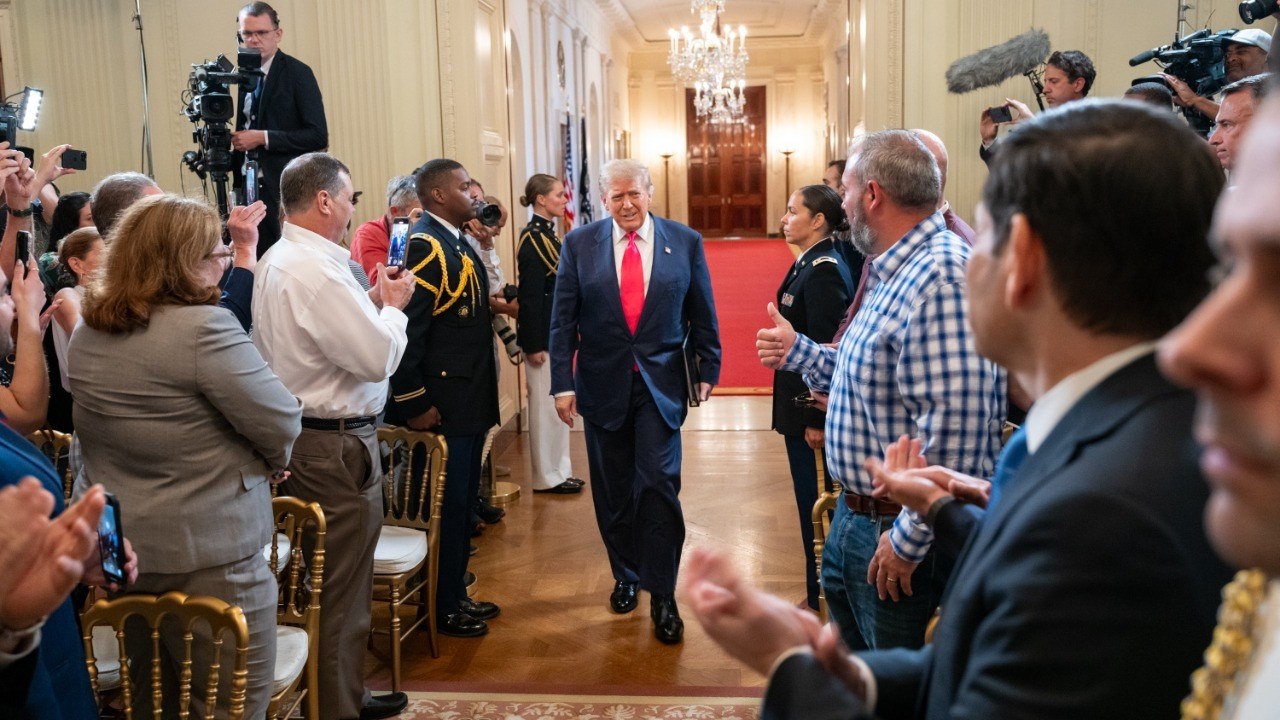
When Donald Trump signed a proclamation adding a $100,000 annual surcharge to H‑1B visa applications, he turned a long‑running policy debate into an immediate cost crisis for employers that rely on foreign talent. Tech giants, flush with cash and global footprints, are already probing legal workarounds, from shifting hires to overseas hubs to leaning on other visa categories. The question now is not whether they will adapt, but how those adaptations will reshape who gets hired where — and who gets left behind.
The new fee is officially framed as a way to protect U.S. workers, yet in practice it functions as a selective tax on companies that cannot easily relocate or restructure. A split is growing: large technology firms experiment with cross‑border maneuvers, while startups, rural hospitals and schools face a blunt financial barrier they cannot route around. In that divide sit some striking numbers, including 698 pending challenges tied to related immigration rules, 7,421 employers flagged for heavy H‑1B use, and fee projections that run past $2,387,08 for mid‑sized firms with mixed workforces, according to aggregated figures cited in recent legal and policy summaries.
The $100,000 shock and legal fight
The starting point is simple and stark: the Trump administration introduced a new $100,000 fee for H‑1B visas, charged every year for each sponsored worker. According to federal reporting on the proclamation, Trump added this $100,000 annual fee specifically to H‑1B visa applications, turning what was already a complex process into a high‑stakes financial decision for employers that use skilled foreign workers at scale. The policy sits within a broader effort by the Trump administration to raise fees and curb eligibility across the H‑1B system, part of a package of reforms described as major changes to how skilled immigration is managed.
The legal backlash was fast. California Attorney General Rob Bonta led a multistate coalition that sued the Trump administration over what his office called an unlawful new $100,000 fee for H‑1B visas, arguing that the surcharge exceeds the administration’s authority and targets employers and immigrants without proper justification, according to the California complaint. Separate federal litigation also sought to block the $100,000 H‑1B‑related fee, with plaintiffs asking the courts to stop the charge before it reshaped hiring decisions, as described in an earlier lawsuit. For now, however, a District of Columbia court has upheld the $100,000 fee, and employers must plan as if it is here to stay, according to a legal analysis of the new H‑1B lottery rules and fee that noted the DC District Court’s decision to sustain the surcharge in the lottery case.
How big tech can bend, not break
For the largest technology companies, a $100,000 annual fee per H‑1B worker is painful but not fatal. These firms already maintain extensive overseas operations and legal teams that can reconfigure hiring channels. Academic experts have warned that larger corporations might sidestep the fee by hiring through foreign subsidiaries and using L visas for intracompany transfers instead of H‑1Bs, or by simply keeping jobs abroad rather than bringing workers to the United States, according to analysis from Northeastern researchers. Under that strategy, the surcharge becomes a routing problem: the work still gets done, but the worker’s desk might be in Toronto or Bangalore instead of Austin.
Recruiters and entrepreneurs already describe a shift in how companies search for skilled workers. Reporting on the early impact of President Trump’s $100,000 fee for new H‑1B visa applications found that employers are rethinking whether to bring talent to the United States at all, with some looking more seriously at “nearshore” options in nearby countries, according to interviews cited in an analysis of how recruiters view hiring. If that trend continues, observers expect a measurable rise in L‑1 intracompany transfers and remote roles based in Canada, Mexico and other allied countries, effectively turning the fee into a quiet push toward offshoring rather than a magnet for domestic hiring.
Startups and smaller employers squeezed
The same flexibility does not exist for startups, mid‑sized tech firms, or public‑sector employers that depend on a handful of specialized hires. A $100,000 annual surcharge per H‑1B worker is far more than many early‑stage companies spend on entire engineering teams, and they lack the foreign subsidiaries needed to pivot to L visas. Northeastern University’s experts have warned that the fee hike could hit tech startups hardest, because they cannot easily absorb six‑figure compliance costs or re‑route hiring through overseas offices, a point made in the same study that described larger firms’ workarounds. The result is a sorting effect: the companies most dependent on breakthrough innovation are also the least able to pay the new price of admission.
The pressure extends beyond tech into sectors that rarely appear in Silicon Valley debates. Reporting on the fee’s impact has highlighted that Trump’s $100,000 H‑1B charge threatens rural schools and hospitals that rely on immigrant workers, with healthcare stakeholders, including voices cited to the American Medical Association, warning that these institutions cannot afford such a steep cost for each foreign professional they sponsor, according to public‑media coverage. When a small hospital needs a single specialist or a rural district needs a math teacher, there is no overseas branch to shift the job to and no easy substitute in the local labor pool. That asymmetry is why many analysts expect the fee to speed up consolidation, as only larger systems can spread the cost across many roles.
Visa strategies turn into a chessboard
Even before the surcharge, the H‑1B system was complicated. The Trump administration has been undertaking major reforms to H‑1B visas by raising fees, tightening eligibility and implementing new rules that together represent a significant increase over previous filing costs, according to an analysis of policy changes. On top of that, there is now a new lottery selection rule that changes how petitions are chosen, as described in a legal briefing that examined the lottery revisions. Together, these shifts mean employers can no longer treat H‑1B sponsorship as a default option for high‑skill hires, especially when the total bill can climb from a few thousand dollars to well over $2387 for basic filings and compliance steps, even before the new six‑figure fee is added.
Organizations are already diversifying their visa strategies in response. Where many employers once defaulted to H‑1B petitions for skilled foreign workers, they are now examining a menu of alternatives, including L‑1 intracompany transfers, O‑1 visas for individuals with extraordinary ability, and more aggressive use of remote and nearshore arrangements, according to a detailed breakdown of how organizations are reworking immigration plans. This shift is not just about paperwork. It changes where teams are built, how career paths look for foreign graduates of U.S. universities, and how much bargaining power workers have if their immigration status is tied to a single employer that has just paid $100,000 for the privilege of sponsoring them.
Economic risks and unintended winners
Trump’s allies present the $100,000 fee as a way to protect U.S. workers by discouraging overuse of H‑1Bs, but early market reactions suggest a more complicated outcome. Reporting on how the fee is already changing the job market has found that President Trump’s $100,000 charge for new H‑1B applications is prompting companies to rethink hiring plans, with sources warning that the policy poses risks to the broader economy and labor market, according to analysis of the job‑market effects. Recruiters describe clients who are freezing certain U.S. roles while expanding teams abroad, which suggests that the fee may shift jobs rather than open them up for domestic workers.
More From The Daily Overview
*This article was researched with the help of AI, with human editors creating the final content.

Grant Mercer covers market dynamics, business trends, and the economic forces driving growth across industries. His analysis connects macro movements with real-world implications for investors, entrepreneurs, and professionals. Through his work at The Daily Overview, Grant helps readers understand how markets function and where opportunities may emerge.