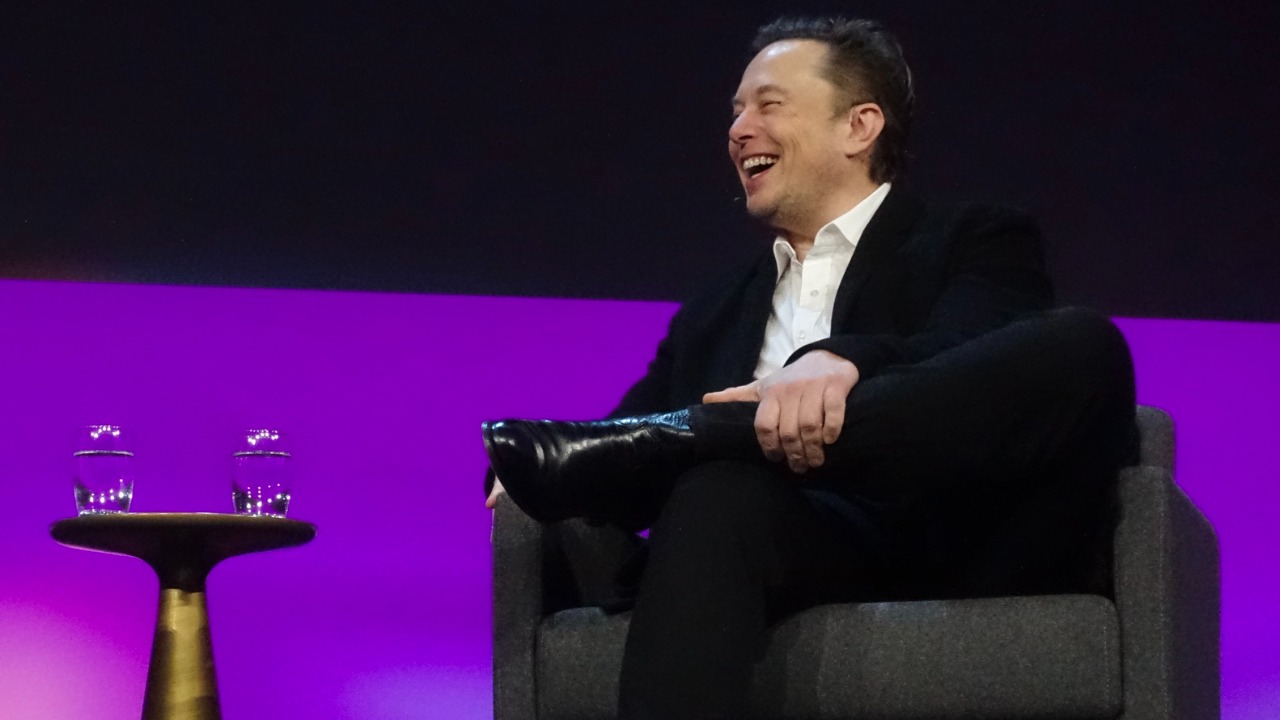
Tesla and Samsung have cemented a landmark $16.5 billion partnership, marking a significant milestone in the development of AI technology. This deal underscores the growing synergy between the automotive and semiconductor industries, reflecting a mutual commitment to advancing the capabilities of AI-driven vehicles.
The Significance of the $16.5B Deal
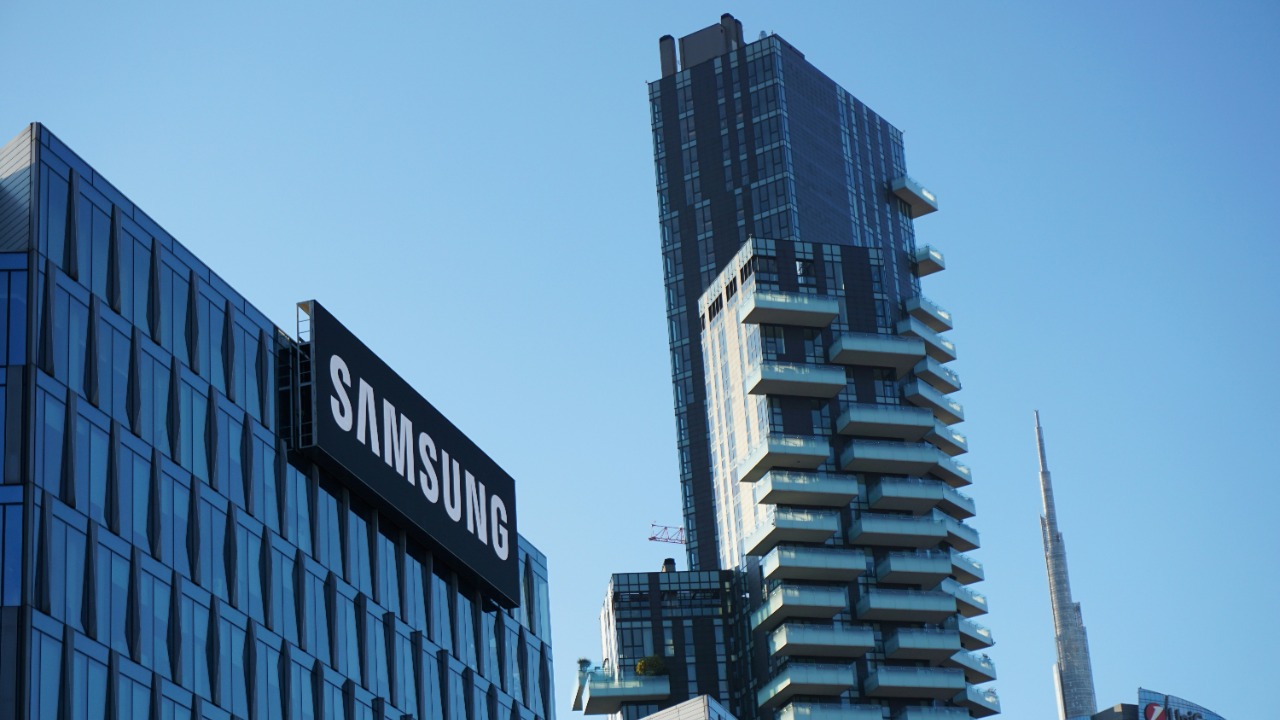
The $16.5 billion partnership between Tesla and Samsung is a transformative event for both the tech and automotive sectors. This deal will not only boost Tesla’s production capabilities but also enhance Samsung’s standing in the semiconductor market. Historically, both companies have collaborated on various projects, but this partnership elevates their relationship to new heights, showcasing their shared vision for integrating advanced AI technologies into everyday life.
This strategic partnership comes at a time when AI is reshaping industries across the globe. For Tesla, the collaboration with Samsung is a crucial step in solidifying its position as a leader in autonomous driving technology. For Samsung, the deal represents an opportunity to showcase its cutting-edge semiconductor technology on a grand scale. As the demand for AI-driven vehicles continues to rise, this partnership is poised to deliver significant advancements in both sectors.
Technological Advancements in AI Chips
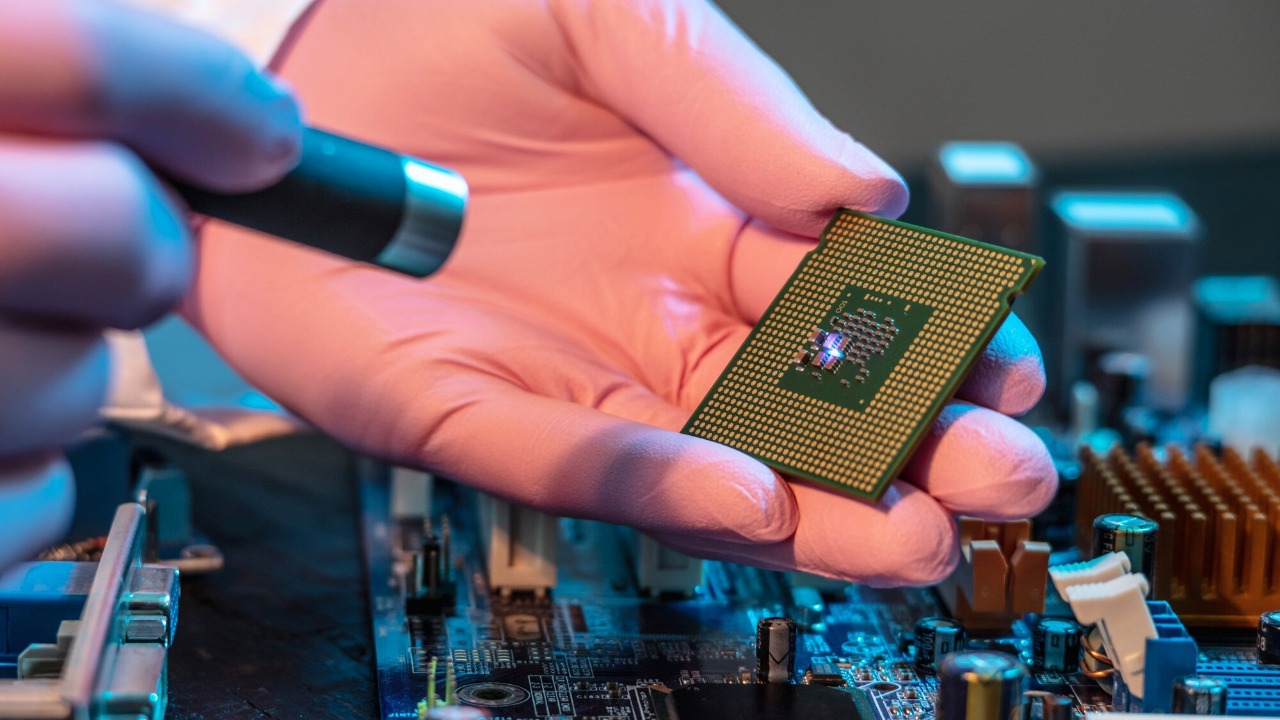
The AI chips developed under this partnership are expected to drastically enhance Tesla’s autonomous driving technology. These chips will provide the necessary computational power to process vast amounts of data in real-time, enabling Tesla vehicles to make more accurate and timely decisions on the road. This is particularly important for Tesla’s Full Self-Driving (FSD) system, which relies heavily on AI to interpret and react to dynamic driving environments.
Samsung’s expertise in semiconductor technology plays a pivotal role in this collaboration. The company is known for its innovations in chip manufacturing, and the deal with Tesla allows it to push the boundaries of what is possible with AI chips. These advancements are not only crucial for the evolution of smart vehicles but also have broader implications for AI applications in other sectors. The chips developed through this partnership are expected to set new standards in efficiency and performance, paving the way for future innovations in AI technology.
Economic Implications and Market Reactions
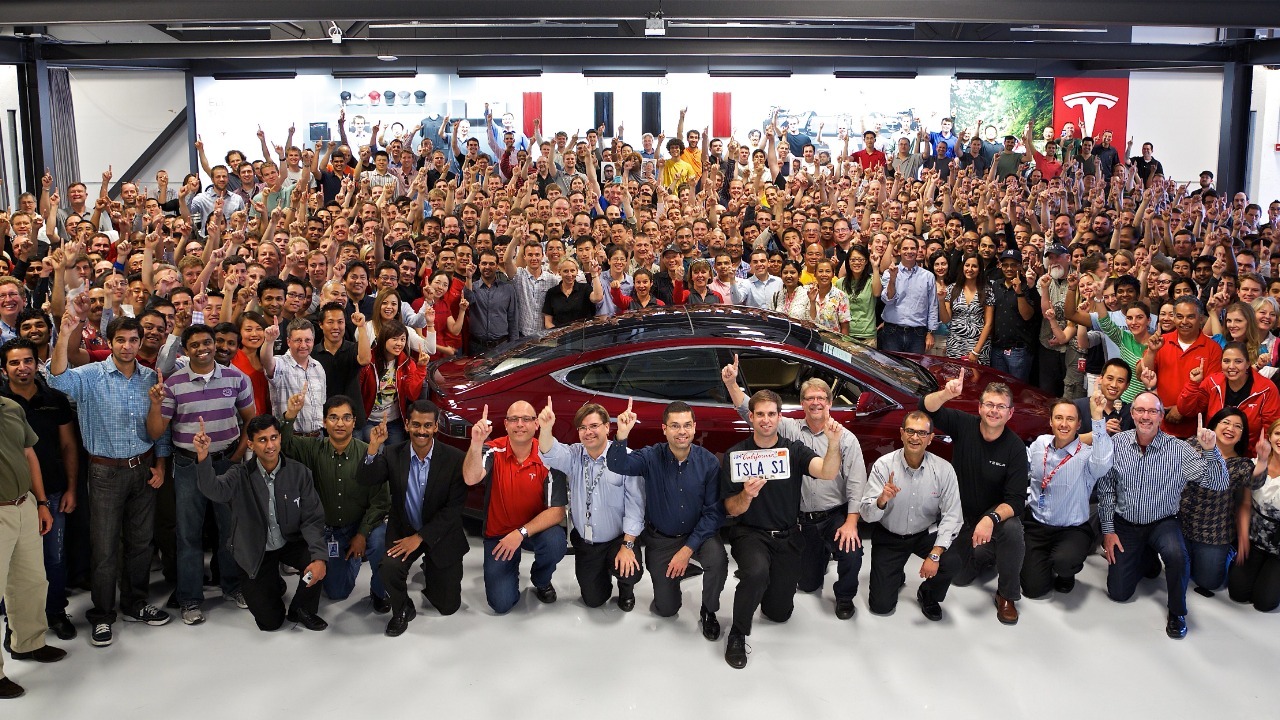
The financial markets have reacted positively to the announcement of the partnership, reflecting investor confidence in the potential of this deal. Tesla’s stock experienced a notable uptick following the news, as investors anticipate the economic benefits that the partnership will bring to both companies. Similarly, Samsung has seen an increase in its market value, driven by expectations of increased demand for its semiconductor products.
Beyond the immediate stock market reactions, the deal is expected to have long-term economic benefits for both companies and their stakeholders. By securing a steady supply of advanced AI chips, Tesla can accelerate its production timelines and bring new innovations to market more quickly. For Samsung, the partnership provides a stable revenue stream and reinforces its position as a leader in the semiconductor industry. The deal also has implications for global semiconductor supply chains, potentially influencing pricing and availability of similar technologies across the industry.
Future Prospects and Industry Impact
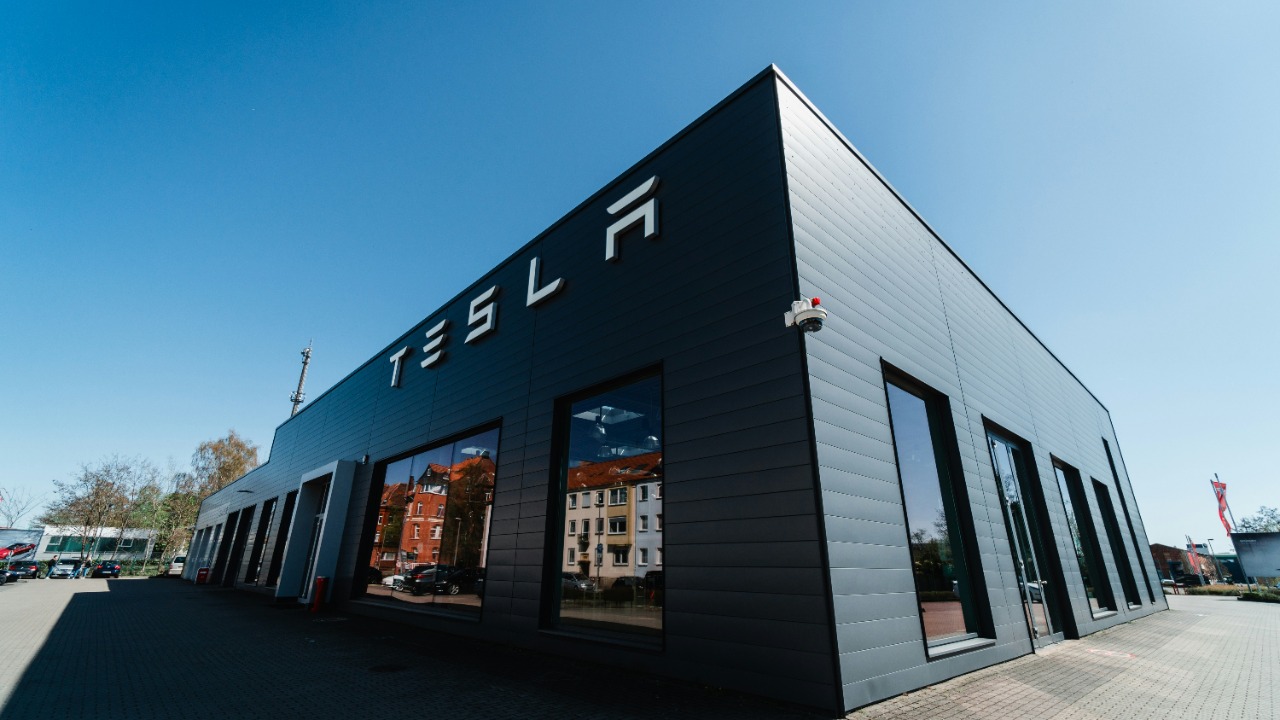
Looking ahead, the partnership between Tesla and Samsung sets the stage for several ambitious projects. Both companies have outlined long-term goals that include the development of next-generation AI technologies and the expansion of their respective product lines. This collaboration positions them to capitalize on the growing demand for AI-driven solutions in both the automotive and tech industries.
The deal also has potential ripple effects on other companies within these industries. Competitors may be prompted to form similar partnerships or invest more heavily in AI research and development to keep pace with the advancements made by Tesla and Samsung. As a result, the agreement could accelerate the overall pace of innovation within the AI and automotive sectors, leading to new breakthroughs and more sophisticated technologies in the coming years.
Challenges and Considerations
Despite the promising outlook, there are several challenges that Tesla and Samsung must navigate to successfully implement this partnership. One potential hurdle is the integration of Samsung’s semiconductor technology with Tesla’s existing systems. Ensuring compatibility and seamless operation will be critical to maximizing the benefits of the new AI chips.
Regulatory and ethical considerations also play a significant role in the deployment of advanced AI technologies. Tesla and Samsung must adhere to strict regulations governing the use of AI in vehicles, ensuring that their products meet safety standards and protect consumer privacy. Additionally, both companies must address cybersecurity risks associated with the increased reliance on AI chips in vehicles. Protecting these systems from potential threats will be essential to maintaining consumer trust and ensuring the long-term success of the partnership.
Overall, the collaboration between Tesla and Samsung marks a significant step forward in the advancement of AI technology. By combining their strengths, both companies are poised to lead the charge in the development of smarter, more efficient vehicles that have the potential to transform the way we travel.

Grant Mercer covers market dynamics, business trends, and the economic forces driving growth across industries. His analysis connects macro movements with real-world implications for investors, entrepreneurs, and professionals. Through his work at The Daily Overview, Grant helps readers understand how markets function and where opportunities may emerge.

