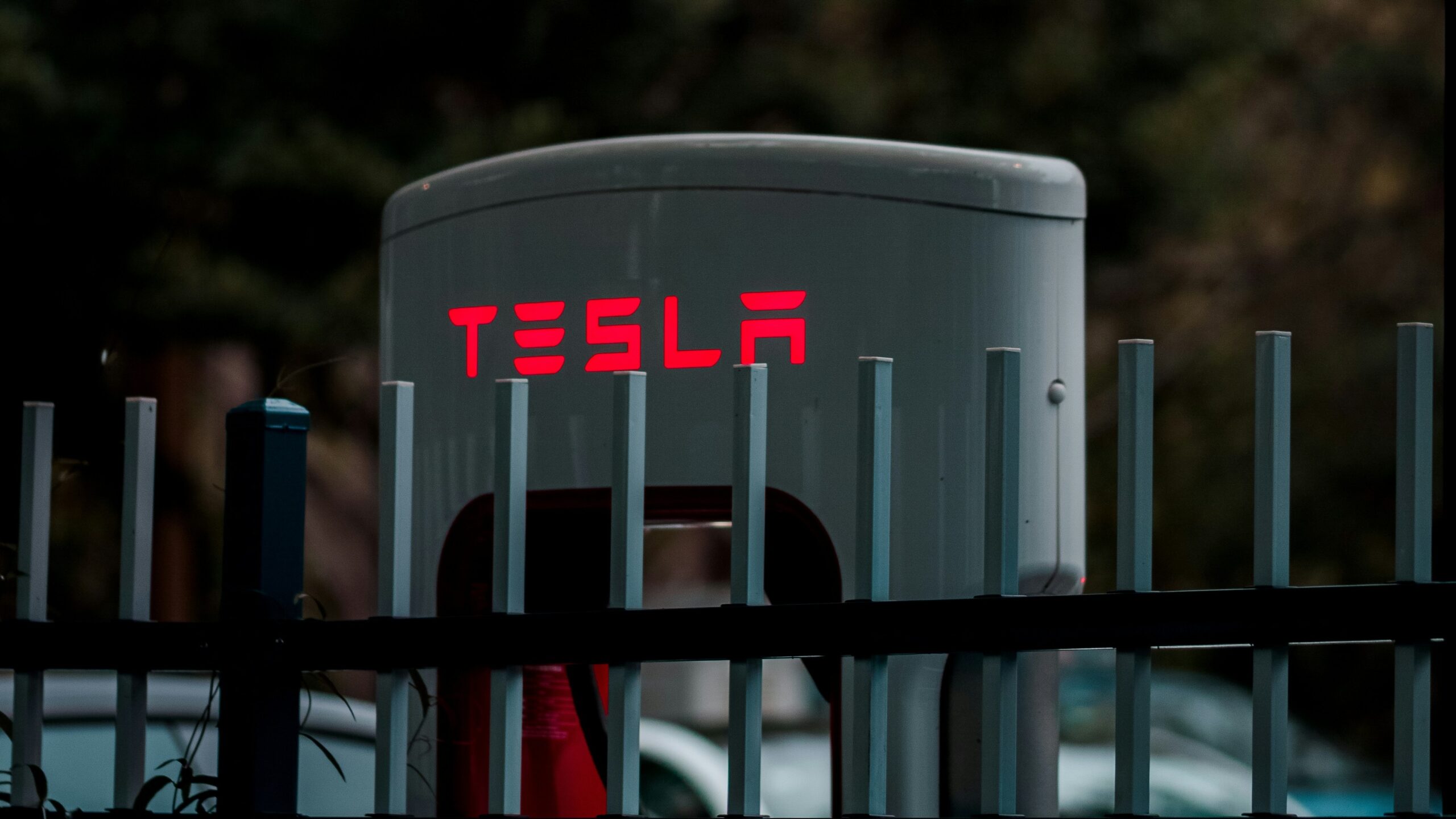
The balance of power in the global electric vehicle market has flipped, and nowhere is that more visible than in China. One Chinese champion is accelerating into the lead on the back of surging sales, while the American pioneer that once defined the segment is watching its momentum stall. The result is a sharp divergence that is reshaping everything from pricing to technology strategy in the world’s largest car market.
At the center of this shift is BYD, which has vaulted from fast follower to volume leader, and Tesla, which is grappling with falling sales and intensifying competition. The contrast between BYD’s global surge and Tesla’s China slump captures how quickly the electric vehicle hierarchy can change when local players combine scale, cost discipline, and policy tailwinds.
BYD’s leap from challenger to global market leader
BYD’s rise is no longer a future scenario, it is a present reality. The company has overtaken Tesla as the world’s biggest seller of electric vehicles, a milestone that reflects years of investment in batteries, vertical integration, and mass-market models. Reporting shows that BYD sold more than 2.25 million units worldwide in 2025, a level that pushed it past Tesla and cemented its status as the World leader in pure electric and plug-in hybrid volumes.
The scale of that achievement is underscored by the fact that BYD is a homegrown Chinese manufacturer that only a few years ago was still widely described as a challenger brand. Detailed figures show that the company’s 2025 global sales reached 4.55 m vehicles, with electric volumes surpassing Tesla and giving BYD a commanding presence in both domestic and export markets. Those 4.55 m units, documented in coverage of BYD’s 2025 global, illustrate how far the company has come from its early days as a battery supplier.
China’s homegrown EV champion tightens its grip
Inside China, BYD’s dominance is even more striking. Analysts now describe the company as a Chinese auto giant that has dethroned its American rival in global rankings, reflecting not just domestic strength but also aggressive expansion into markets from Southeast Asia to Europe. Reports on the company’s trajectory note that the Chinese group has, for the first time, overtaken Tesla as the top electric vehicle seller worldwide, a shift that underscores how Chinese manufacturers are setting the pace in the sector.
The story is not just about units sold, it is about the ecosystem that has formed around BYD’s success. The company’s Dynasty and Ocean series of vehicles have become emblematic of China’s ability to produce affordable, feature-rich electric cars that appeal to middle-class buyers. Coverage of the domestic market highlights how demand for these Dynasty and Ocean models has been a key driver of BYD’s growth, with Chinese electric car producers increasingly challenging Tesla on price and variety. That surge in local competition, described in detail in analysis of Chinese electric brands, has tilted the playing field decisively in favor of homegrown players.
Tesla’s China slump and the numbers behind the “crater”
While BYD has been racing ahead, Tesla’s position in China has deteriorated sharply. The company’s China-made electric vehicle sales dropped 49% in one key month, a collapse that signaled how vulnerable its volumes are to price wars and shifting consumer tastes. That 49% decline in China-made EV sales, documented in reporting on Tesla and its local rivals, marked one of the steepest setbacks the company has faced in the market that once powered its global growth.
The pain has not been limited to a single month. By late 2025, Tesla was hitting a three-year low in China sales as a swarm of domestic competitors undercut its pricing and matched or exceeded its technology in key segments. Analysts tracking the sector describe how local brands, including names like Leapmotor, have crowded into the same price bands that Tesla targets, eroding its share and forcing deeper discounts. The result is a brutal set of numbers for Tesla in China, captured in coverage of how Tesla hits 3-year amid a wave of new entrants.
Global crown lost: Tesla’s slide and BYD’s surge collide
The divergence between BYD’s surge and Tesla’s slump is not just a China story, it has reshaped the global leaderboard. Tesla has now lost its title as the world’s biggest electric vehicle maker after its sales fell for a second year in a row, a reversal that would have seemed unlikely when the company was still posting relentless growth. Coverage of that shift notes that Tesla’s global deliveries remain substantial, but the company has nonetheless ceded the top spot as its volumes have stagnated while BYD’s have climbed. The loss of that crown, detailed in analysis under the Your Money banner, underscores how quickly leadership can change when a disruptor becomes the incumbent.
At the same time, BYD’s ascent has been framed as a stunning setback for Tesla in the broader battle for electric vehicle dominance. Analysts point out that BYD became the world’s largest EV company thanks to surging sales in 2025, a year in which the Chinese group leveraged its cost advantages and broad lineup to capture share from more premium-focused rivals. That shift is described as a pivotal moment in the competition between the two companies, with Tesla hit by the realization that its long-held lead in EV volumes has been overtaken by a Chinese rival that once trailed it by a wide margin.
The fine print: BYD’s own slowdown and what comes next
Even as BYD celebrates its new status, the company is not immune to headwinds. Its sales have begun to soften at the margins, with reports noting that BYD’s sales slumped 30% in January, extending a slide that has now lasted five months. That 30% drop, set against the backdrop of 4.55 m global sales in 2025, suggests that the company is grappling with a maturing home market, intensifying competition from other budget-focused carmakers, and the natural comedown after a period of explosive growth. The tension between record annual volumes and a short-term slowdown is laid out in coverage of how BYD is navigating its latest sales figures.
Financial markets have already reacted to those signs of cooling demand. BYD’s shares have slumped on weakening sales, with investors reassessing how much growth is left in the company’s core segments and how quickly it can diversify into higher-margin products and overseas markets. Reports from market watchers describe how a FILE PHOTO of a BYD logo at a dealership in Sant Cugat del Valles, near Barcelona, has become a visual shorthand for the company’s global ambitions, even as its stock price reflects near-term worries. The latest trading moves, captured in a Story by Reuters, show that investors are now demanding proof that BYD can sustain its lead without sacrificing profitability.
More From TheDailyOverview
*This article was researched with the help of AI, with human editors creating the final content.

Grant Mercer covers market dynamics, business trends, and the economic forces driving growth across industries. His analysis connects macro movements with real-world implications for investors, entrepreneurs, and professionals. Through his work at The Daily Overview, Grant helps readers understand how markets function and where opportunities may emerge.

