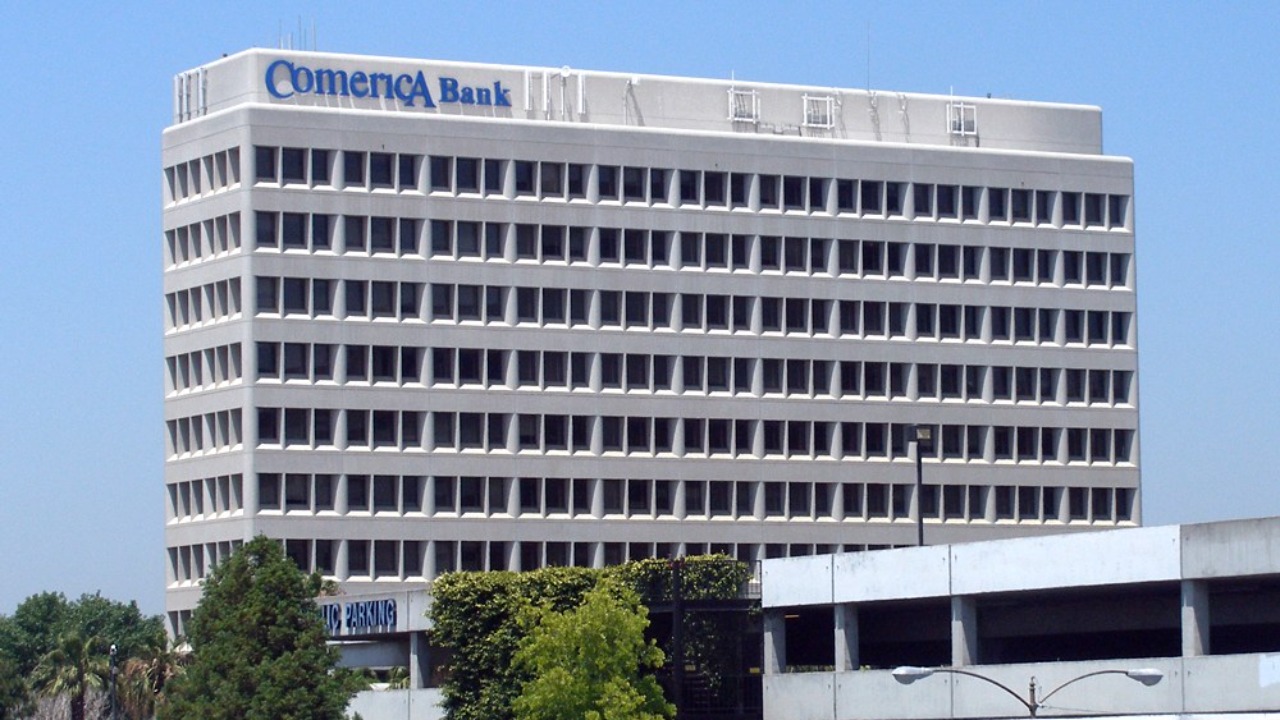
When Fifth Third Bancorp officially closed its all-stock acquisition of Comerica Incorporated on February 2, 2026, the celebration for shareholders quickly gave way to anxiety for workers in Texas. Within days, Comerica began notifying state officials of fresh layoffs tied to the integration, filing Worker Adjustment and Retraining Notification notices that outlined job cuts at key sites around Dallas. Those filings, reflected in Texas Workforce Commission records and acknowledged in company statements, marked the first clear sign that the blockbuster merger would translate into concrete losses for employees on the ground.
The new reductions arrive on top of earlier restructuring at Comerica and are being framed internally as part of a broader plan to streamline overlapping operations after the deal closed. For affected staff, however, the timing reinforces a familiar pattern in big-bank consolidation: cost synergies for investors often come hand in hand with pink slips for back-office and branch workers.
The Blockbuster Merger Background
The Fifth Third and Comerica tie-up was billed from the outset as a blockbuster. According to major-context reporting on the initial announcement, the transaction was structured as an all-stock deal valued at about 14.8 billion dollars, with the companies touting a combined 82.8 billion dollars in assets at the time of the announcement. Those figures framed the combination as one of the most significant regional bank mergers in recent years, with executives arguing that scale would help them compete more effectively in commercial lending and fee-based services.
The regulatory path was closely watched. The Federal Reserve approved Fifth Third Bancorp’s application to acquire Comerica Incorporated on January 13, 2026, specifically identifying Comerica Bank in Dallas and Comerica Bank & Trust, N.A. in Ann Arbor as the insured depository institutions involved. In a separate company statement, Fifth Third said that approval cleared the way for closing and reiterated executive expectations for meaningful cost and revenue synergies once the banks were integrated. That process culminated when Fifth Third announced that the merger had officially closed on February 2, 2026.
Pre-Merger Restructuring at Comerica
Comerica’s workforce had already been shrinking well before Fifth Third entered the picture. According to reporting on the bank’s earlier cost-cutting drive, the Dallas-based lender eliminated 250 jobs and closed 26 banking centers in January 2024. Those actions were part of a restructuring program that executives described on earnings calls as necessary to align expenses with slower loan growth and a tougher interest-rate environment.
The same reporting noted that Comerica booked severance charges tied to those 250 job cuts and began a broader real estate rationalization that included consolidating leased office space. That earlier round of branch closures and staff reductions provides important context for the current layoffs. Rather than a one-off reaction to the merger, the fresh cuts arrive after a multi-year push by Comerica to lower its cost base, which was already visible in Texas communities where long-standing branches were shuttered or combined.
Details of the Fresh Layoffs
The latest layoffs are documented in filings under the federal Worker Adjustment and Retraining Notification Act. The Texas Workforce Commission maintains the official state repository for such notices, and its Texas WARN database describes how employers must report planned job cuts, including the number of affected employees, the locations involved, and the expected date of separation. Comerica’s post-merger filings in that system cover sites in and around Dallas, reflecting the bank’s long-standing presence in the city and its role as a major local employer.
According to the WARN process outlined by the Texas Workforce Commission, companies are required to notify both the agency and local officials when they plan significant layoffs or closures, which allows state staff to coordinate rapid-response services such as job counseling and retraining referrals. Comerica’s notices follow that template, listing affected roles in banking operations and support functions and tying the reductions directly to the integration of Comerica Bank into the Fifth Third platform. While the exact headcount in each facility is tracked in the underlying WARN records, the pattern is clear: the first wave of post-close job cuts is concentrated in Texas operations that now overlap with Fifth Third’s broader network.
Why These Layoffs Matter Now
The timing of the job cuts highlights the tension between Wall Street expectations and Main Street fallout. Sector-wide analysis from the Financial Times on U.S. bank consolidation has described how regional lenders are seeking mergers to cope with a more demanding regulatory environment and higher technology costs. In that context, Fifth Third’s acquisition of Comerica fits a broader pattern in which executives promise efficiency gains and stronger balance sheets, while labor advocates warn that those same efficiencies often translate into fewer tellers, back-office staff, and technology workers in local markets such as Dallas.
Activist investors have added another layer of scrutiny. A presentation released by Holdco Asset Management, outlined in a public PDF shared with Comerica’s board, criticized the sale process and argued that Comerica may have rushed into a transaction that undervalued its franchise. While that critique focused on shareholder returns, it also framed the merger as a response to cost and regulatory pressures that were already squeezing the bank. Fifth Third, for its part, has emphasized in its own statements that the combination is intended to preserve and grow jobs over the long term by creating a stronger competitor, even as near-term integration work leads to targeted reductions in overlapping roles.
Regulatory and Legal Context
The merger did not move forward on the strength of Federal Reserve approval alone. As described in broader sector coverage that references the deal, regulators including the Fed, the Office of the Comptroller of the Currency, and the Federal Deposit Insurance Corporation all had a role in reviewing the transaction, consistent with their oversight of bank mergers more generally. The Fed’s order on January 13, 2026, formally cleared Fifth Third Bancorp to acquire Comerica Incorporated and its subsidiary banks, while other agencies evaluated issues such as community reinvestment records and competitive effects in specific markets.
Legal challenges also surfaced along the way. A detailed securities filing with the U.S. Securities and Exchange Commission describes the merger structure and discloses litigation related to the deal, including a case in the Delaware Chancery Court and an action in the New York Supreme Court that raised questions about the adequacy of Comerica’s proxy disclosures and the fairness of the process. Comerica responded by providing voluntary supplemental disclosures, according to that same filing, while maintaining that the suits lacked merit. Those cases illustrate how contentious large bank mergers can become, even before any post-close layoffs reach employees.
What the Companies Have Said About Integration
From the moment regulators gave the green light, Fifth Third and Comerica tried to cast the merger as a strategic win rather than a defensive retreat. In its approval-day statement, Fifth Third highlighted the Federal Reserve’s order and included executive comments about combining complementary strengths in commercial banking, wealth management, and payments. The company said it expected the transaction to close around the beginning of February, subject to remaining customary conditions, and pointed to cost synergies that would come from consolidating overlapping technology platforms and support functions.
Those themes carried through to closing. When Fifth Third announced that it had completed the acquisition on February 2, 2026, the bank’s post-close press release confirmed that Comerica’s operations, including Comerica Bank in Dallas, were now part of the combined institution and laid out an integration roadmap. The company said it expected full system and brand conversion by late 2026, signaling a multi-quarter process in which back-office systems, product sets, and branch signage would gradually migrate to the Fifth Third identity. That schedule helps explain why the WARN notices in Texas are arriving now, as the bank begins to align staffing levels with its planned end-state footprint.
Impact on Texas Workers and Communities
For Texas, the layoffs are more than a line item in an integration slide deck. Comerica has long been embedded in the state’s commercial life, with Comerica Bank’s Dallas headquarters serving middle-market companies, energy firms, and small businesses. As the initial merger coverage noted, Fifth Third’s move into Texas through this deal gives it a larger presence in one of the country’s fastest-growing economies, but it also raises questions about how many local roles will survive once the combined bank finishes consolidating branches and operations centers.
The WARN framework described by the Texas Workforce Commission is designed to soften that blow by giving employees and local officials time to prepare. In practice, however, workers who receive notice often face a difficult job market transition, particularly if their experience is concentrated in specialized banking functions. For communities, the loss of a branch or operations hub can mean fewer sponsorships for local events and less day-to-day spending by bank staff, even if Fifth Third maintains lending relationships with major Texas clients.
Activist Pressure and Governance Questions
The activist campaign led by Holdco Asset Management has kept governance questions in the spotlight as the layoffs unfold. In its presentation to Comerica’s board, Holdco argued that the bank’s leadership had not fully explored alternatives before agreeing to sell and suggested that a stronger standalone plan or a different partner might have produced better outcomes for shareholders. The firm’s materials described the sale process as rushed and raised concerns about whether Comerica had maximized value in negotiations with Fifth Third.
Those criticisms do not directly address employment decisions, but they color how some stakeholders interpret the current layoffs. If, as Holdco contends, Comerica was under pressure from regulators and markets yet still had options, then the choice to pursue a merger that now leads to job cuts in Dallas and other Texas locations may draw sharper scrutiny from employees and local leaders. Comerica and Fifth Third have defended the transaction as the best path forward, pointing to the combined bank’s larger asset base and broader product suite as benefits that can support long-term growth, even if short-term integration steps include staff reductions.
What’s Next for the Combined Bank
Looking ahead, the integration timeline outlined by Fifth Third suggests that more changes are likely before the dust settles. The company’s confirmation of the February 2 closing indicated that full conversion of systems and branding is expected by late 2026, which typically involves multiple phases of technology migration, branch consolidation, and product harmonization. Analysts following similar bank deals have noted that staffing adjustments often occur in waves aligned with those milestones, as redundant platforms are shut down and overlapping functions are combined.
At the same time, the broader regulatory and political scrutiny described in Financial Times coverage of regional bank mergers may limit how aggressively Fifth Third moves to trim its footprint in markets where competition is already concentrated. Community groups and elected officials in Texas are likely to watch the process closely, particularly around Dallas, where Comerica Bank has been a prominent employer. For now, the WARN notices show that the first concrete costs of the blockbuster merger are being borne by workers, even as executives continue to promise that a larger, more diversified bank will ultimately benefit customers and shareholders alike.
More From The Daily Overview
*This article was researched with the help of AI, with human editors creating the final content.

Grant Mercer covers market dynamics, business trends, and the economic forces driving growth across industries. His analysis connects macro movements with real-world implications for investors, entrepreneurs, and professionals. Through his work at The Daily Overview, Grant helps readers understand how markets function and where opportunities may emerge.