The betrayal at the heart of the Colombian ATM laundering case is not measured in the size of the payoff but in the access it bought. A junior banker in Florida allegedly traded his integrity for modest bribes, and in doing so helped criminal groups move $5.5 Million out of a U.S. institution and into Colombia. The scheme shows how a single compromised insider can punch a multimillion‑dollar hole in a bank that was already under intense scrutiny over cartel money.
According to federal prosecutors, the insider used his position at a TD Bank branch to quietly weaponize routine customer services, from debit card issuance to account monitoring. The result was a pipeline that pushed roughly $5.5 M through what investigators describe as a “Colombian ATM typology,” turning a neighborhood branch into a gateway for international laundering.
The insider in Doral and the Colombian ATM pipeline
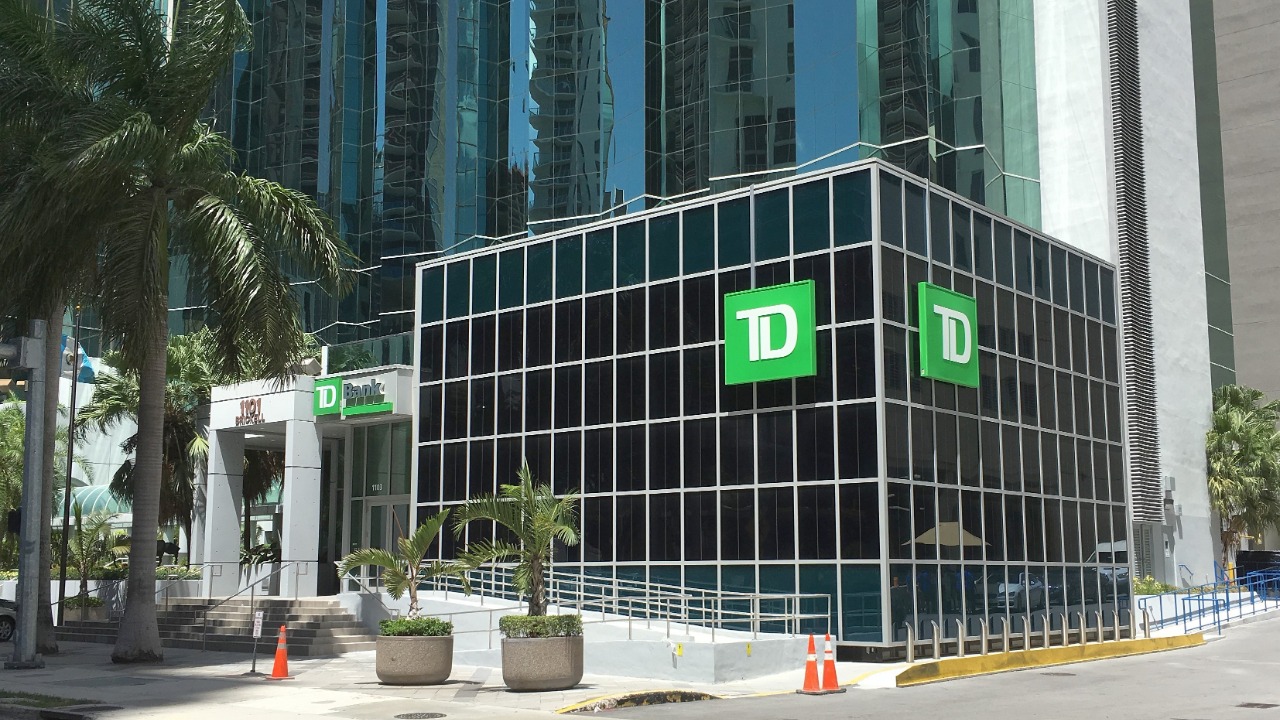
In the latest case, authorities say the insider was Leonardo Ayala, a 24‑year‑old retail employee who worked at a TD Bank outlet in Doral, Florida between February and November 2023. Prosecutors allege that Ayala did not simply look the other way, he actively helped structure the flow of cartel‑linked funds by manipulating accounts that had been opened far from his branch. Those accounts, originally set up in New Jersey, became the backbone of a laundering circuit that relied on ATMs in Colombia to drain cash from the U.S. banking system.
According to a criminal complaint, Ayala repeatedly and corruptly issued numerous debit cards tied to those New Jersey accounts, then arranged for the cards to be delivered to co‑conspirators who would use them abroad. Investigators say the cards were fed into Colombian cash machines in a pattern so distinctive that they now refer to it as a Colombian ATM typology, a method that allowed criminal organizations to convert suspicious U.S. deposits into seemingly legitimate foreign withdrawals.
From arrest to guilty plea: how the case unfolded
Federal agents moved on the case after tracing suspicious ATM activity back to the Doral branch and its young employee. In a For Immediate Release announcement, the Justice Department described Ayala as a former Florida‑based employee of TD Bank N.A. who had been arrested and charged by criminal complaint with facilitating money laundering. That filing laid out how his access to internal systems, normally used to help customers replace lost cards or resolve account issues, was allegedly repurposed to keep the Colombian ATM pipeline running.
As the case advanced, the government detailed how Ayala’s actions fit into a broader conspiracy that moved roughly $5.5 M through the bank and into Colombia. In a later Press Release, officials said the Former TD Bank Employee Pleads Guilty to Accepting Bribes, Laundering $5.5 Million to Colombia, underscoring that the insider had admitted to both the corrupt payments and his role in the cross‑border movement of funds.
The bribes, the role of Ayala, and what “betrayal” really means
According to court filings, the betrayal began when the banker agreed to trade his professional obligations for illicit payments. Prosecutors say that According to those documents, Leonardo Ayala, 25, of Homestead, Florida, accepted bribes and exploited his position as a bank employee to override internal controls. The filings describe how he allegedly helped keep accounts open even after they were flagged for questionable activity, a decision that directly benefited the criminal organizations using those accounts to move money through Colombian ATMs.
In a separate summary of the plea, officials emphasized that the Former TD Bank Employee Pleads Guilty to Accepting Bribes, Laundering $5.5 Million to Colombia, language that captures both the personal enrichment and the systemic harm. The government says Ayala was Accepting Bribes and gratuities from a money laundering organization, then using his insider knowledge to help that group evade the very safeguards he was trained to enforce. The dollar value of those bribes remains Unverified based on available sources, but the damage they enabled is measured in the $5.5 Million that flowed out of the bank and into Colombia.
How investigators followed the money and the man
The unraveling of the scheme began not with a confession but with patterns in the data. According to investigators, DOJ agents tracked members of a laundering network led by an individual named Sze, watching as the group visited multiple TD Bank branches in a single day. That surveillance, combined with unusual ATM withdrawal patterns in Colombia, eventually pointed back to the Doral location and to the employee who kept issuing and reissuing debit cards tied to the same cluster of New Jersey accounts.
Once Ayala was identified, the Justice Department detailed his role in a public DOJ account of the conspiracy, describing how the insider’s actions intersected with the movements of Sze’s team. That narrative, combined with the Florida arrest announcement, shows how traditional surveillance, transaction monitoring and internal bank records converged to expose the insider’s role.
A $3 billion warning shot for TD Bank and the industry
The Ayala case did not emerge in a vacuum. It landed as TD Bank was already facing a record settlement over its broader failures to stop cartel money from flowing through its branches. Regulators have said the Bank will pay a total of $3 billion in penalties, including a $1.3 billion penalty to the US Treasury Department, after authorities concluded that its anti‑money‑laundering controls were inadequate to stop drug cartels from exploiting the bank. Against that backdrop, the revelation that a single branch employee helped move $5.5 Million to Colombia reads less like an isolated lapse and more like a symptom of systemic weakness.
For compliance officers across the industry, the case is a reminder that even the most sophisticated transaction‑monitoring software can be undermined by a determined insider. The fact that a former retail banker at a TD Bank branch in Florida pleaded guilty on Wednesday to charges tied to an ATM laundering scheme underscores how front‑line staff can become critical vulnerabilities. I see the Ayala case, and the surrounding $1.3 billion penalty, as a warning that banks must treat insider risk with the same seriousness they apply to external cyber threats.
More From TheDailyOverview
This article was researched with the help of AI, with editors refining and creating the final content.

Grant Mercer covers market dynamics, business trends, and the economic forces driving growth across industries. His analysis connects macro movements with real-world implications for investors, entrepreneurs, and professionals. Through his work at The Daily Overview, Grant helps readers understand how markets function and where opportunities may emerge.