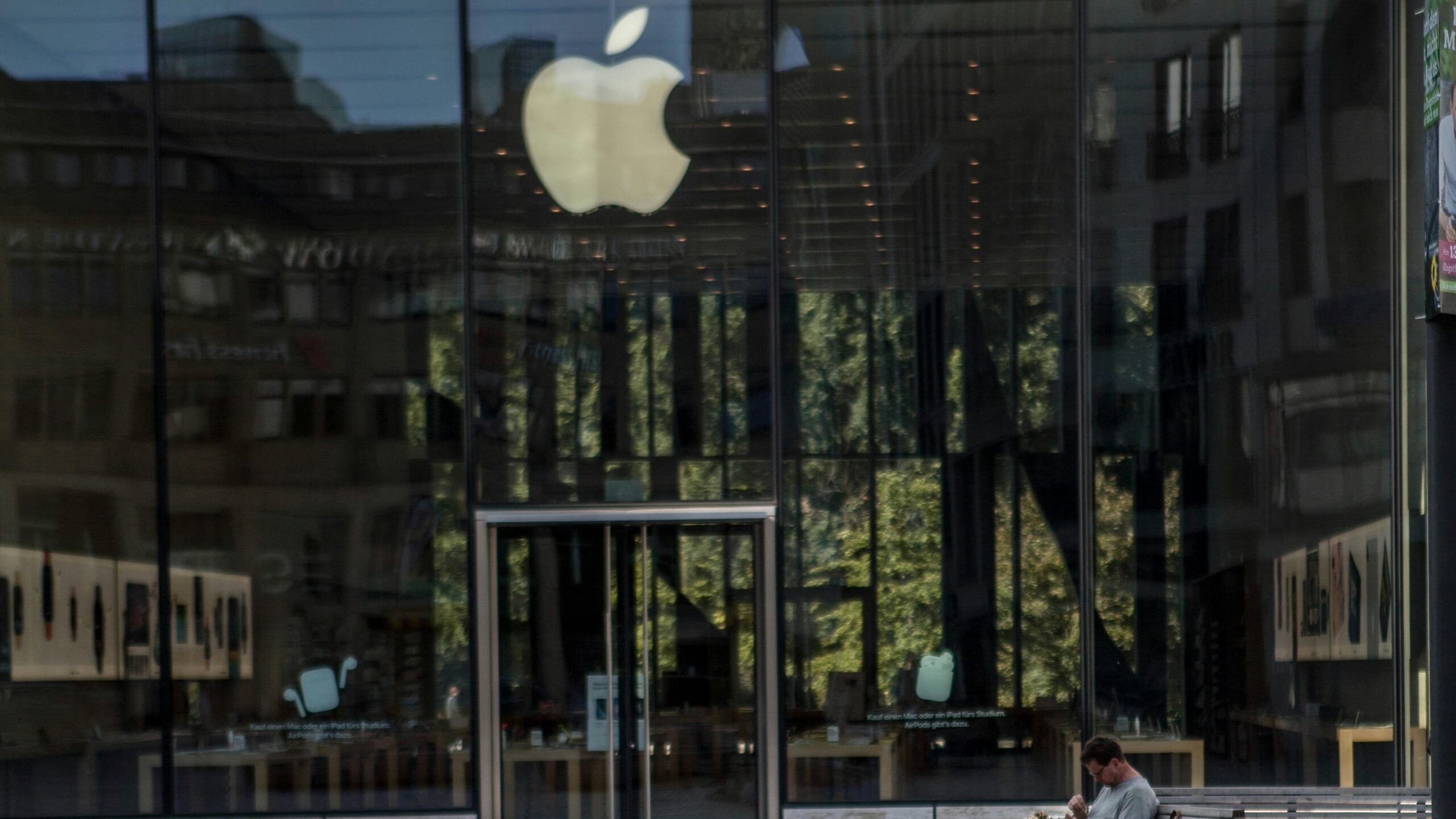
Apple spent years as the rare hardware company that could reliably print cash, turning premium iPhones into some of the fattest margins in consumer tech. The global rush to build artificial intelligence infrastructure is now testing that model, as the same chips and memory Apple depends on are being snapped up by AI players willing to pay more. The result is a new kind of squeeze on a company that once dictated terms to its suppliers and investors alike.
Instead of asking whether Apple can sell the next iPhone, the more urgent question is how much profit it can still extract from each device as AI demand collides with its supply chain. I see a company still posting record revenue, but increasingly forced to share the economics of the semiconductor boom with rivals that do not sell smartphones at all.
Apple’s rich margins meet an AI-era cost shock
For most of the smartphone era, Apple’s scale and brand power let it command unusually high hardware margins while keeping a tight grip on component costs. Analysts now warn that those normally generous profits are under pressure as artificial-intelligence specialists outbid Apple for critical parts such as advanced processors and high performance memory, forcing the iPhone maker to pay more to stay in the game. Reporting on the current cycle describes how Apple is now competing head to head with cloud providers and AI labs for the same cutting edge silicon that powers both data centers and premium phones.
In practical terms, that means the company’s long standing playbook of locking in big volumes at favorable prices is colliding with a market where AI buyers are less price sensitive and more focused on securing capacity at any cost. A detailed Quick Summary of the current environment notes that Artificial intelligence companies are able to outbid Apple for components, a reversal that directly erodes the cushion on each iPhone and iPad sold. Another cut of the same analysis underscores that this shift is forcing Apple for the first time in years to accept higher input costs rather than dictate terms.
Chip shortages, memory crunch and a humbled supply chain
The AI buildout is not just a pricing story, it is also a supply story, and here Apple’s once unshakable logistics machine is showing strain. For years, Apple, trading under the ticker AAPL, used its volume and discipline to renegotiate prices frequently and even walk away from suppliers that did not meet its terms. Now the same report describes an AI driven chip frenzy that is starting to squeeze that supply chain, leaving the company with less leverage to push back when costs rise.
The pressure is especially acute in memory, where demand from AI servers is colliding with smartphone needs. Apple CEO Tim Cook has publicly acknowledged that a global memory chip shortage is hitting the company and that he expects to see an impact as AI demand continues to stretch capacity and Apple CEO Tim warned that this dynamic is rippling through global supply chains. A companion analysis of how Apple faces an iPhone pricing challenge links that shortage directly to the AI boom, noting that higher component costs and constrained supply are forcing difficult choices about whether to absorb the hit or pass it on to consumers.
TSMC, NAND and the new hierarchy of customers
Underpinning Apple’s hardware strategy is its long relationship with TSMC, the Taiwanese chip manufacturer that has built successive generations of its most advanced chips with Apple as its lead customer. That status is now being tested as AI demand surges, with reports that TSMC is now balancing Apple against a wave of AI customers hungry for the same cutting edge process nodes. The fact that a Taiwanese foundry once so closely identified with Apple’s roadmap is now fielding competing bids from AI chip designers underscores how the center of gravity in semiconductors is shifting.
The memory side tells a similar story. Analysts at Lynx have flagged that Apple’s flash controller is “optimized for Kioxia’s NAND process,” a technical detail that becomes a business problem if AI demand forces Kioxia to prioritize other buyers or if Apple is pushed to look elsewhere for supply. That warning, which highlights fresh margin pressure tied to the need to potentially redesign around different NAND, comes from a broader note that cites Beyond higher costs as a key risk for Apple if it has to rework its storage architecture. In parallel, another summary of the AI surge points out that The AI boom is starting to squeeze the profit margins of Apple’s iPhone as AI companies are able to outbid Apple for chips and memory, with some suppliers now counting AI players as their largest customers.
Record iPhone sales, but a thinner slice of each dollar
What makes this margin squeeze so striking is that it is arriving in the middle of a sales boom. Apple Inc has just delivered record quarterly results, with iPhone revenue up 23 percent and China sales surging 38%, part of a broader picture in which total revenue was up strongly year over year. Another breakdown of the quarter lists Sales and EPS figures that underline just how profitable the business still is, with Revenue of $143.8 billion, diluted EPS of $2.84 and net income of $42.1 billion, all supported by a still impressive Margin profile.
Yet even in that context, management has been candid that the cost side of the equation is getting tougher. Sales of Apple’s NASDAQ listed AAPL iPhone line are booming, with Revenue from the iPhone soaring 23 percent year over year in the first quarter of the fiscal year, but executives have also admitted on the earnings call that component inflation and AI related supply constraints are likely to weigh more heavily in the second half of 2026. That admission, captured in a detailed look at how Sales of Apple intersect with chip trends, suggests that even record top line numbers may not translate into the same bottom line growth investors have grown used to.
Investors, pricing power and the next phase of the AI race
For shareholders, the key question is whether Apple can offset these pressures with higher prices, more services revenue or deeper integration of AI features that justify premium hardware. Forecasts for Apple stock suggest that AAPL is still expected to rise by about 11 percent in 2026, a projection that reflects both confidence in the brand and recognition that margins may compress from historic highs. That outlook, framed as What Investors Should in 2026 and Beyond, assumes that the company can navigate AI related cost spikes without a fundamental break in its business model.
At the same time, the market is already pricing in some of the risk. Apple’s share performance, visible on its own stock price page, reflects a company that is still valued as a cash generator but now faces tougher competition for the inputs that make that cash possible. A separate forecast of Apple, AAPL Stock Predictions for 2026 and Beyond reinforces that view, arguing that while the stock can still climb, investors should be prepared for a world in which AI infrastructure buyers, not smartphone makers, set the tone in chip markets, a shift that could leave even a giant like Beyond its comfort zone.
More From TheDailyOverview
*This article was researched with the help of AI, with human editors creating the final content.

Grant Mercer covers market dynamics, business trends, and the economic forces driving growth across industries. His analysis connects macro movements with real-world implications for investors, entrepreneurs, and professionals. Through his work at The Daily Overview, Grant helps readers understand how markets function and where opportunities may emerge.

