
Buying a new car is often a significant financial decision, and with a plethora of features available, it’s easy to get overwhelmed. Many buyers end up regretting certain features they chose, realizing they may not add as much value as expected. This article delves into which car feature tops the list of regrets and why.
The Allure of Advanced Technology

In recent years, advanced technology has become a major selling point for new vehicles. One of the most sought-after features is the high-tech infotainment system, which promises seamless connectivity with devices and a multitude of entertainment options. However, many consumers face usability and compatibility issues. For instance, certain systems may not integrate well with popular smartphones, leading to frustration. The complexity of these systems can also be overwhelming for users who are not tech-savvy, resulting in a steep learning curve and underutilization of the features.
Another enticing technological advancement is autonomous driving features. While these features promise convenience and enhanced safety, they often come with a hefty price tag and can be unreliable in real-world scenarios. For example, Tesla’s Autopilot has faced scrutiny for not living up to its advertised capabilities. Moreover, the software updates required for these systems can introduce new bugs, causing more headaches than solutions. Over-the-air updates, while innovative, can also lead to software issues and require users to continually adapt to changes, further exacerbating the problem.
The Reality of Fuel Efficiency Claims
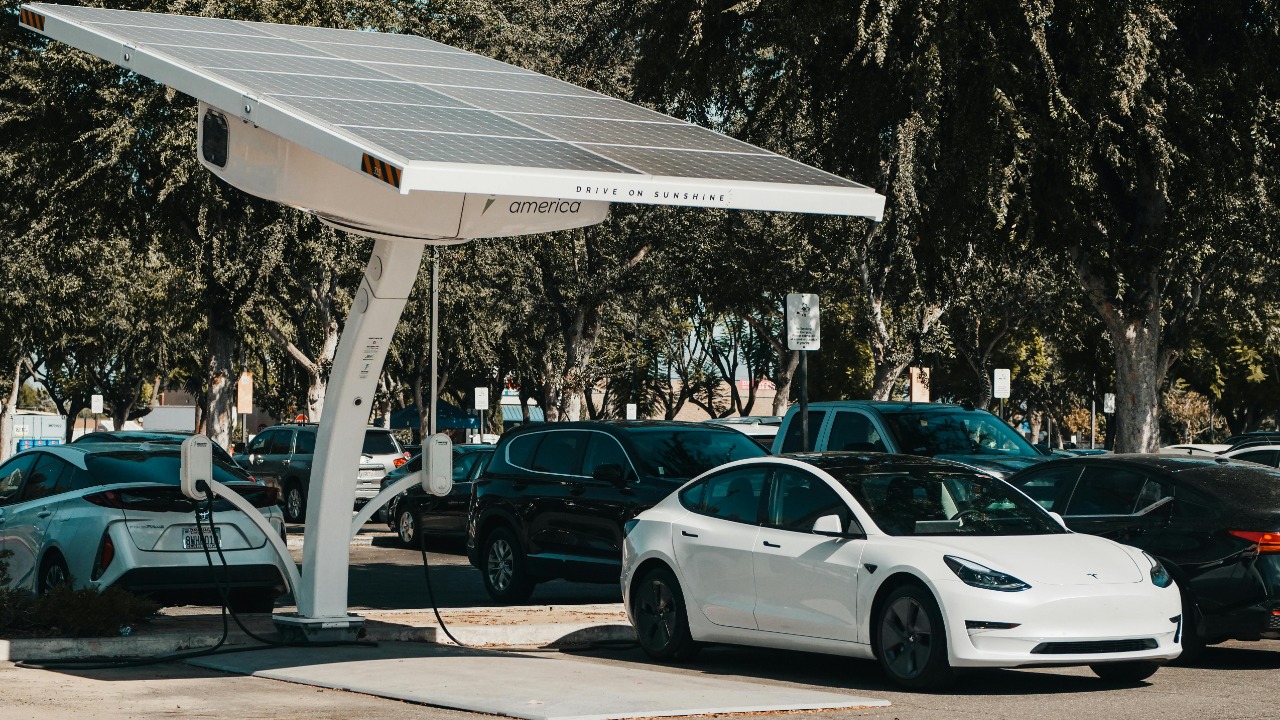
Fuel efficiency is a significant consideration for many car buyers, especially with the increasing popularity of hybrid and electric vehicles. However, the real-world performance of these vehicles often falls short of the advertised claims. Buyers are often enticed by the promise of significant savings on fuel costs, only to be disappointed when they fail to achieve the expected mileage. For instance, the Toyota Prius has been a popular choice for its supposed efficiency, but some owners report that their actual fuel savings are not as substantial as they were led to believe.
In addition to the discrepancy in fuel efficiency, the long-term costs associated with maintaining these eco-friendly features can be a burden. Hybrid systems and electric vehicle batteries require specialized maintenance and eventual replacement, leading to unexpected financial burdens. The cost of replacing a Tesla battery, for example, can run into thousands of dollars, which can be a shock to owners who were initially focused on fuel savings. Moreover, the infrastructure for electric vehicles is still developing, which can add inconvenience and additional costs for charging.
The Complexity of Modern Safety Features

Modern safety features are designed to provide an extra layer of protection for drivers and passengers. However, they can sometimes create a false sense of security. Features like lane-keeping assist and automatic braking are intended to prevent accidents, but they can also lead to over-reliance. This can result in inattentive driving, as drivers become too dependent on the technology to manage their safety. A study published by ScienceDirect highlights that drivers relying heavily on these systems may experience more frequent lapses in attention.
Moreover, the complexity of these systems can lead to frequent malfunctions. When a safety feature fails, it can result in costly repairs, contributing to buyer frustration. For instance, issues with sensors or software glitches in brands like BMW and Audi have been reported by owners, leading to expensive servicing. The need for regular calibration and maintenance of these systems can also be an ongoing hassle for car owners, adding to the list of regrets post-purchase.
The Hidden Costs of Luxury Add-ons

Luxury add-ons can transform a standard vehicle into a more comfortable and aesthetically pleasing ride. Features like leather seats and advanced climate control systems are often appealing to buyers looking to enhance their driving experience. However, these upgrades come with high maintenance costs. Leather seats, for example, require regular conditioning to prevent cracking and wear, while advanced climate control systems can be expensive to repair if they malfunction.
Additionally, buyers often overlook the depreciation concerns associated with premium packages. Add-ons such as premium sound systems and aesthetic packages may not retain their value over time. This can negatively impact the resale value of the vehicle, leaving owners with a less favorable return on their investment. The Car Throttle survey suggests that many car enthusiasts regret investing in luxury features that do not hold their value, resulting in buyer’s remorse.
Psychological Factors Influencing Regret

Beyond the tangible aspects of car features, psychological factors play a crucial role in buyer regret. Aggressive marketing and social pressure are significant influences that can lead buyers to add features they might not genuinely need. The desire to keep up with trends or to own the latest technology can cloud judgment. This societal pressure, combined with effective marketing, can lead to impulsive decisions that buyers later regret.
Furthermore, cognitive dissonance and post-purchase regret are common psychological responses when the reality of owning a feature does not meet the initial expectations. When buyers realize that the features they invested in are not as beneficial as they anticipated, it can lead to substantial regret. A study published in ScienceDirect discusses how expectation vs. reality plays a significant role in the level of satisfaction or regret experienced by car buyers.

Cole Whitaker focuses on the fundamentals of money management, helping readers make smarter decisions around income, spending, saving, and long-term financial stability. His writing emphasizes clarity, discipline, and practical systems that work in real life. At The Daily Overview, Cole breaks down personal finance topics into straightforward guidance readers can apply immediately.
