
Many property owners and business tenants unknowingly sign leases with terms that can severely impact their cash flow. Understanding these hidden pitfalls is crucial to maintaining healthy finances and ensuring the profitability of your real estate investments.
Understanding Lease Structures

One of the most critical steps in protecting your financial health is thoroughly reading and understanding lease agreements. While this sounds obvious, the complexity and length of these documents often lead individuals to skim through, missing vital details. Leases can contain a variety of clauses that, if not carefully considered, may lead to unexpected financial burdens. For instance, escalator clauses, which automatically increase rent at set intervals, can significantly strain your budget over time.
Another common feature in many leases is the inclusion of maintenance fees. These can cover anything from general upkeep to specific repairs and are often quoted as a percentage of the overall rent. Such fees can add up quickly, impacting monthly cash flow. Additionally, triple-net leases, where tenants cover property taxes, insurance, and maintenance, can impose substantial financial obligations. Understanding these elements is essential to avoid being blindsided by unexpected costs.
Hidden Costs and Fees
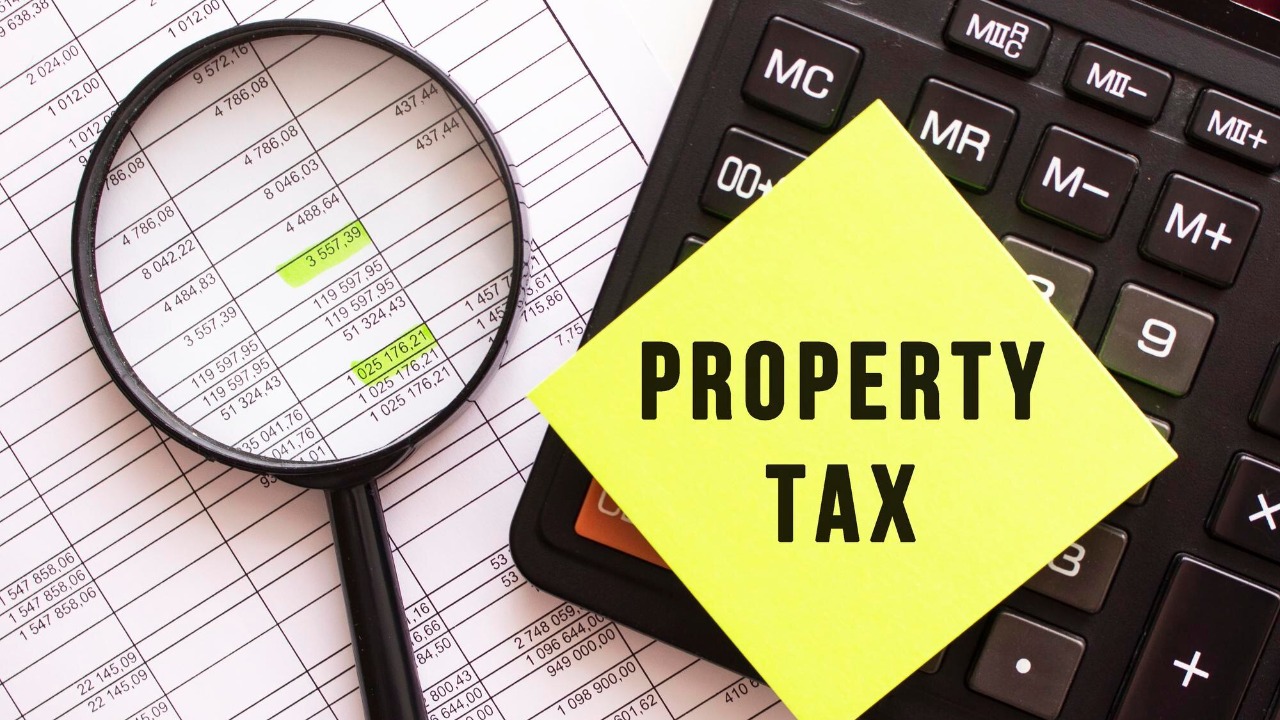
Beyond the base rent, numerous hidden costs can catch tenants off guard. Utility surcharges, for example, might not be included in the initial rental price but can significantly increase expenses. Similarly, CAM (Common Area Maintenance) fees cover shared spaces like lobbies and parking lots, and these costs are often variable and unpredictable. Identifying these expenses upfront is crucial for effective financial planning.
Property tax increases are another potential pitfall. Many leases include clauses that pass any increases in property taxes directly onto the tenant. This can be particularly troublesome in areas experiencing rapid property value increases. To manage these costs, it’s wise to negotiate caps or limits on such increases at the outset of a lease. By doing so, you can create a more predictable financial environment for your business.
Impact on Business Operations

Poorly structured lease terms can severely restrict business growth and flexibility. When financial resources are tied up in unexpected leasing costs, it can limit the ability to invest in other areas critical for growth, such as marketing, hiring, or product development. The relationship between lease agreements and operational budgets is intimate and complex, and missteps here can lead to significant financial setbacks.
Real-life examples abound of businesses suffering due to restrictive lease terms. Consider a small retail store that signed a lease with a steep escalator clause. Over time, the rent increased to such an extent that it consumed a disproportionate share of the operating budget, leaving little room for expansion or even necessary renovations. This scenario illustrates the importance of negotiating favorable terms from the start to avoid becoming trapped in a financially unsustainable situation.
Strategies for Mitigating Cash-Flow Risks

To protect your cash flow, negotiating more favorable lease terms is essential. Start by understanding your needs and limits before entering negotiations. A clear sense of your financial boundaries can guide discussions and prevent overcommitment. Including exit strategies and renewal options in lease agreements is also crucial. These elements provide flexibility and can be invaluable if market conditions change or if your business needs to relocate.
Leveraging professional advice can make a significant difference in lease negotiations. Real estate attorneys and financial advisors can help identify potential pitfalls and suggest strategies for mitigation. Their experience can prevent costly mistakes and ensure that your lease aligns with your long-term business goals. For those interested in a deeper dive into the risks associated with real estate investments, this article offers valuable insights.
Long-Term Financial Planning

Effective lease management is crucial for long-term financial health and investment strategy. Regularly reviewing and renegotiating lease terms can help you adapt to changing market conditions and ensure that your agreements remain favorable. Techniques for forecasting and budgeting around lease obligations are essential tools in this process, allowing you to plan for future expenses and avoid financial strain.
Moreover, the benefits of a proactive approach to lease management cannot be overstated. By staying informed and involved, you can identify opportunities to renegotiate terms or explore more advantageous leasing options. This proactive stance not only safeguards your current financial health but also positions your business for future success. To further explore the intricacies of real estate risks, consider checking out this blog post.
Incorporating these strategies into your lease management practice can protect your business from the cash-flow pitfalls that often lurk within lease agreements. By taking the time to understand and negotiate your lease terms, you set the stage for a financially stable and prosperous future. For additional insights into the impact of cash flow on business health, this study provides an in-depth analysis.

Elias Broderick specializes in residential and commercial real estate, with a focus on market cycles, property fundamentals, and investment strategy. His writing translates complex housing and development trends into clear insights for both new and experienced investors. At The Daily Overview, Elias explores how real estate fits into long-term wealth planning.

