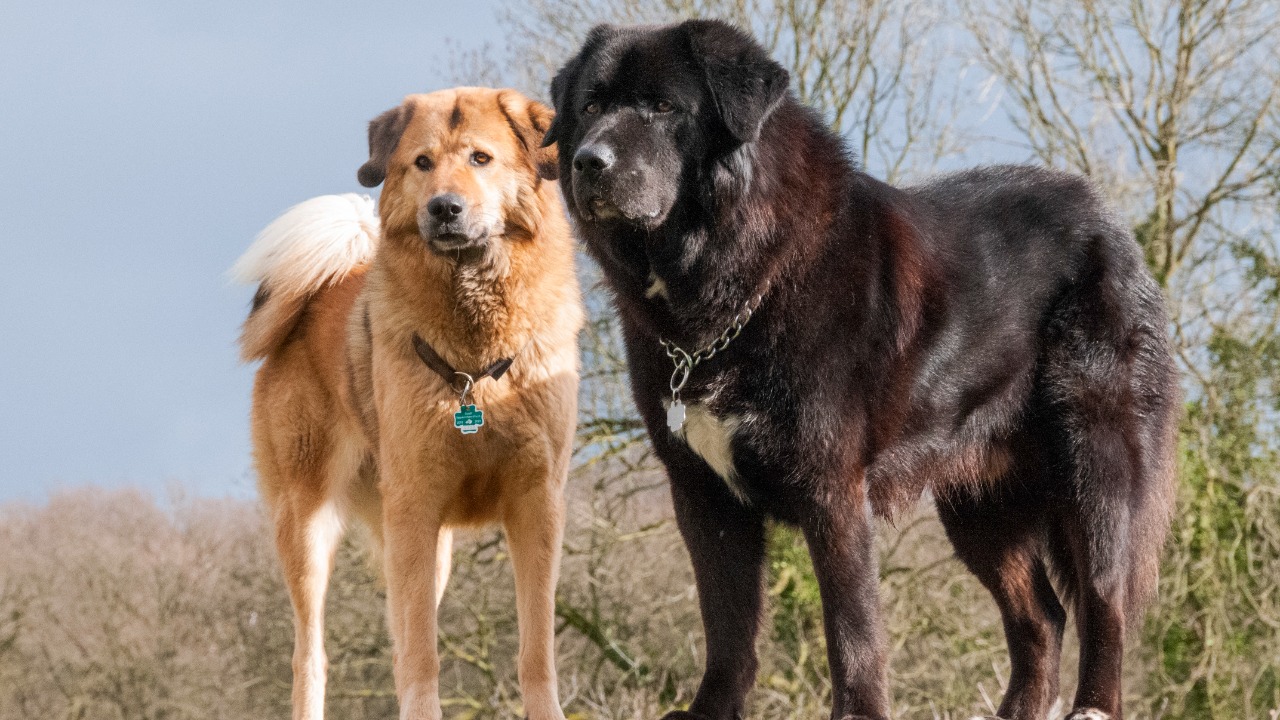
The priciest dogs in 2026 are not just status symbols, they are the result of scarcity, complex breeding and long term care that can rival a small car payment. Purchase prices regularly climb into the thousands of dollars, and over a dog’s lifetime those figures can swell far beyond the initial check you write to a breeder. I want to unpack which breeds sit at the top of the cost ladder this year, and why their true price tag stretches far beyond the day you bring them home.
Across these high end breeds, the same themes repeat: rarity, intensive grooming, and a higher risk of health problems that demand specialist veterinary care. Those factors, combined with surging demand for certain looks and personalities, explain why some puppies now sell for more than many used cars and why owners can easily spend tens of thousands of dollars over a decade of companionship.
The big ticket guardians: Tibetan Mastiff and other ultra rare breeds
At the very top of the heap sits the Tibetan Mastiff, a giant guardian dog whose price has become shorthand for canine luxury. Multiple guides to costly pets list the Tibetan Mastiff among the most expensive dogs on earth, with one breakdown of elite breeds noting that these massive, lion like animals have sold for more than $1 million in extreme cases, even though typical buyers pay far less for a puppy. Another analysis of premium pets puts the Tibetan Mastiff in a small club of breeds where a single dog can cost up to $10,000, underscoring how far this mountain guardian has moved from its working roots into the realm of collectible status symbol.
What drives that figure is a mix of scarcity and sheer scale. The breed’s size means higher food bills and more expensive veterinary care, and its thick coat demands regular grooming that quickly adds to the tab. Lists of the 12 Most Expensive Dog Breeds consistently place the Tibetan Mastiff alongside other rare names such as the Canadian Eskimo Dog and Afghan Hound, while a separate rundown of premium pups highlights the Tibetan Mastiff again, this time pegging its potential purchase price at $10,000 and noting that even mid range examples can cost several thousand dollars per dog, especially when breeders emphasize show quality bloodlines.
Compact status symbols: French Bulldogs and Chow Chows
Not every costly dog is a giant. In 2026, some of the steepest prices cluster around compact, city friendly breeds that have become fixtures on social media and in celebrity households. French Bulldogs, often called Frenchies, are a prime example: a widely shared ranking of top tier dogs points out that French Bulldogs can get up into the highest price brackets, and a short video rundown of luxury breeds singles out French Frenchies as number one among the most expensive dogs in the world. That popularity has collided with limited, health conscious breeding, pushing prices sharply upward.
Rescue focused listings that track market prices for purebreds report that the French Bulldog now typically sells in a band from $1,400 to $8,000, with French Bulldogs at the upper end when they come from fashionable color lines or champion pedigrees. Another survey of premium breeds notes that the Chow Chow, another compact but distinctive dog, often commands between $3,000 and $8,500, a range that reflects both its rarity and the grooming demands of its dense coat. One detailed guide to pricey pups lists the Chow Chow right alongside the Tibetan Mastiff and Portuguese Water Dog, with the latter often priced from $2,000 to $6,000, showing how smaller, apartment friendly dogs can still carry five figure lifetime costs once food, insurance and veterinary care are factored in.
Working dogs with luxury price tags
Several of the costliest breeds in 2026 started life as rugged working dogs, but now command luxury level prices because of their versatility and scarcity. A financial breakdown of high end dogs highlights the Giant Schnauzer as one of the most expensive breeds to own, noting that this Giant worker, along with other large, protective dogs such as the Black Russian Terrier, can be particularly pricey to buy and maintain. The same analysis points out that owners should expect their Black Russian Terrier to have a relatively modest lifespan of about 11 years, which concentrates medical costs into a shorter window and makes every year of ownership more expensive.
Training focused guides to premium breeds echo that pattern, describing how The Most Expensive Dog Breeds and What Makes Them So Special often share traits like strong guarding instincts and high intelligence. One such guide singles out the Tibetan Mastiff again, explaining that when it comes to expensive dogs, this ancient guardian is a prime example of a breed that can serve as an excellent family pet but demands serious investment in training and socialization. A separate list of costliest dogs to own in 2026 breaks down the Factors Driving High Costs into categories such as Rarity, Breeding Complexity, Genetic Predispositions and Grooming Needs, making clear that the same traits that once made these dogs valuable workers now translate into higher bills for modern owners who want a capable, distinctive companion.
Why these breeds cost so much to own, not just to buy
The sticker price on a puppy is only the beginning. One widely cited estimate pegs the lifetime cost of owning an average dog at $23K, and then warns that certain breeds are significantly more expensive once food, grooming and medical care are added up. A closer look at those high end breeds shows why: some dogs have chronic health issues that require frequent vet visits, others need professional grooming every few weeks, and many large or highly active breeds eat far more than a typical mixed breed companion. A detailed breakdown of premium dogs notes that the most expensive dog breeds are typically rare or in high demand, and that the costs of breeding and caring for them are reflected in the initial purchase price and then amplified over time.
Insurance and pet care specialists draw a similar picture when they talk about Expensive dog breeds. Some dog breeds come with a hefty price tag because they are rare and heavily sought after by dog lovers around the world, but the real financial strain often comes later, when owners realize how much regular grooming, specialist diets and advanced veterinary care will cost. Another analysis of top tier dogs with high ownership costs stresses that Some breeds have grooming needs and health risks that make them far more expensive over a decade than their purchase price suggests, especially when owners factor in emergency surgeries or long term medications that are more common in certain purebred lines.
Planning for a high cost dog in 2026
For anyone considering one of these breeds in 2026, the key is to think like a long term budget planner rather than a one time shopper. Price lists that compare different dogs point out that Larger or more specialised breeds may incur higher costs due to their dietary needs, grooming requirements and medical care, and they urge prospective owners to weigh those recurring bills against their income and lifestyle. That advice mirrors guidance from cat specialists who note that Expensive cat breeds often require specialised care beyond the initial purchase price and that Many of these animals need regular grooming sessions and preventive health checks, a pattern that clearly applies to high end dogs as well.
Even within the club of costly canines, there is a spectrum. Some overviews of expensive dog breeds explain that Some pups are more costly to breed and that those expenses are reflected in the initial purchase price, while others become expensive primarily because of their long term health risks and grooming needs. A concise video ranking of the top three most expensive dogs in the world, which places French Frenchies at number one, captures the cultural side of this trend, showing how social media fame can inflate demand and prices almost overnight. For anyone tempted by that allure, I would argue that the smartest move is to study detailed breakdowns of the costliest breeds in 2026, including the sections on Factors Driving High Costs such as Rarity and Genetic Predispositions, and to compare those insights with more general warnings about lifetime expenses that start long after you bring a puppy home.
Ultimately, the breeds that cost the most in 2026, from Tibetan Mastiffs and French Bulldogs to Giant working dogs and rare northern spitz types, are expensive because of a predictable mix of scarcity, fashion and biology. Guides to the 12 Most Expensive Dog Breeds, lists of the 8 Most Expensive Dogs and financial rundowns of the 15 most expensive breeds to own all converge on the same conclusion: if you choose one of these animals, you are signing up for a premium level of spending for as long as that dog is part of your life. I see that not as a reason to avoid them outright, but as a reminder that the real luxury is being able to afford the care these dogs genuinely need, year after year.
More From TheDailyOverview

Cole Whitaker focuses on the fundamentals of money management, helping readers make smarter decisions around income, spending, saving, and long-term financial stability. His writing emphasizes clarity, discipline, and practical systems that work in real life. At The Daily Overview, Cole breaks down personal finance topics into straightforward guidance readers can apply immediately.

