
Many early retirees face a significant challenge: the health insurance gap. Retiring before the age of 65 often leaves individuals without employer-sponsored health coverage and ineligible for Medicare. This gap can have profound implications, affecting both financial planning and access to necessary healthcare services. By exploring the complexities of this issue, early retirees can find potential solutions to bridge this gap effectively.
Understanding the Health Insurance Gap
Definition and Impact
The health insurance gap refers to the period when early retirees no longer have access to employer-sponsored health coverage and are not yet eligible for Medicare. This gap poses a significant challenge for many, as it can disrupt financial planning and limit access to healthcare services. Without adequate health insurance, early retirees may face unexpected medical expenses that can deplete retirement savings and affect overall financial stability.
Moreover, the lack of insurance coverage often leads to delays in seeking medical care, which can exacerbate existing health conditions. The health insurance gap thus becomes a critical factor that early retirees must consider when planning for retirement.
Statistics and Trends
Recent data from the AARP and Vanguard highlights the growing number of early retirees facing this insurance gap. As more individuals opt for early retirement, the percentage affected by the insurance gap is also increasing. This trend underscores the importance of understanding and addressing the gap in the context of overall retirement planning.
Available Health Insurance Options for Early Retirees

COBRA Coverage
The Consolidated Omnibus Budget Reconciliation Act (COBRA) offers a temporary solution for early retirees by allowing them to retain their employer-sponsored health insurance for a limited period. While COBRA coverage provides continuity, it can be expensive. Retirees are often required to pay the full premium plus an administrative fee, making it a costly option for those on a fixed income.
Despite the high costs, COBRA can serve as a crucial stopgap measure, ensuring that retirees maintain their coverage during the transition period. However, the temporary nature of COBRA means that retirees must eventually seek alternative insurance options.
Marketplace Insurance
Purchasing insurance through the Health Insurance Marketplace is another viable option for early retirees. The Marketplace offers a range of plans with varying levels of coverage and costs. Depending on their income, retirees may also qualify for subsidies, which can help offset the cost of premiums.
Marketplace insurance provides flexibility and choice, allowing early retirees to select a plan that best suits their healthcare needs and budget. However, it is essential to carefully compare plans and understand the coverage details to make an informed decision.
Private Health Insurance Plans
For those seeking more personalized coverage options, private health insurance plans offer an alternative. These plans can vary significantly in terms of coverage and cost, so it is crucial for retirees to thoroughly compare different plans and providers.
While private health insurance can provide tailored coverage options, it may also come with higher premiums. Early retirees should consider their healthcare needs and financial situation when evaluating private insurance plans to ensure they select a plan that aligns with their retirement goals.
Financial Implications of the Health Insurance Gap

Cost Analysis
The financial impact of the health insurance gap can be substantial. Each insurance option—COBRA, Marketplace, and private plans—comes with its own cost considerations. For instance, COBRA can be particularly costly, while Marketplace plans may offer subsidies to reduce expenses.
These costs can strain retirement savings and affect financial stability. It is essential for early retirees to conduct a thorough cost analysis and incorporate healthcare expenses into their overall retirement budget to avoid financial pitfalls.
Budgeting for Healthcare
Incorporating healthcare costs into retirement plans is crucial for maintaining financial stability. Financial advisors and retirement planning experts, such as those at Fidelity, recommend proactively budgeting for healthcare to ensure retirees are prepared for potential expenses.
Strategies may include setting aside a specific portion of retirement savings for healthcare or exploring financial products, like annuities, that can provide a steady income stream to cover medical costs.
Strategies to Bridge the Gap

Health Savings Accounts (HSAs)
Health Savings Accounts (HSAs) can be an effective tool for saving for healthcare expenses both before and during retirement. HSAs offer tax advantages, such as tax-deductible contributions and tax-free withdrawals for qualified medical expenses, making them an attractive option for early retirees.
Maximizing HSA contributions during working years can provide a financial cushion for healthcare costs in retirement, bridging the gap until Medicare eligibility.
Working Part-Time or Consulting
Some early retirees choose to work part-time or engage in consulting work to maintain access to employer-sponsored health insurance. This approach provides the dual benefit of income generation and health coverage, but it may not be suitable for everyone.
While working part-time can offer flexibility, it may also impact the retiree’s desired lifestyle. Evaluating the pros and cons of this strategy is essential to determine if it aligns with individual retirement goals.
Retirement Planning Adjustments
Adjusting retirement plans to accommodate healthcare costs is another strategy for bridging the gap. This may involve delaying retirement or seeking financial advice to better align retirement plans with healthcare needs.
By making informed adjustments and staying proactive, early retirees can effectively manage the health insurance gap, ensuring a smoother transition into retirement.
Long-Term Considerations for Early Retirees
Transitioning to Medicare
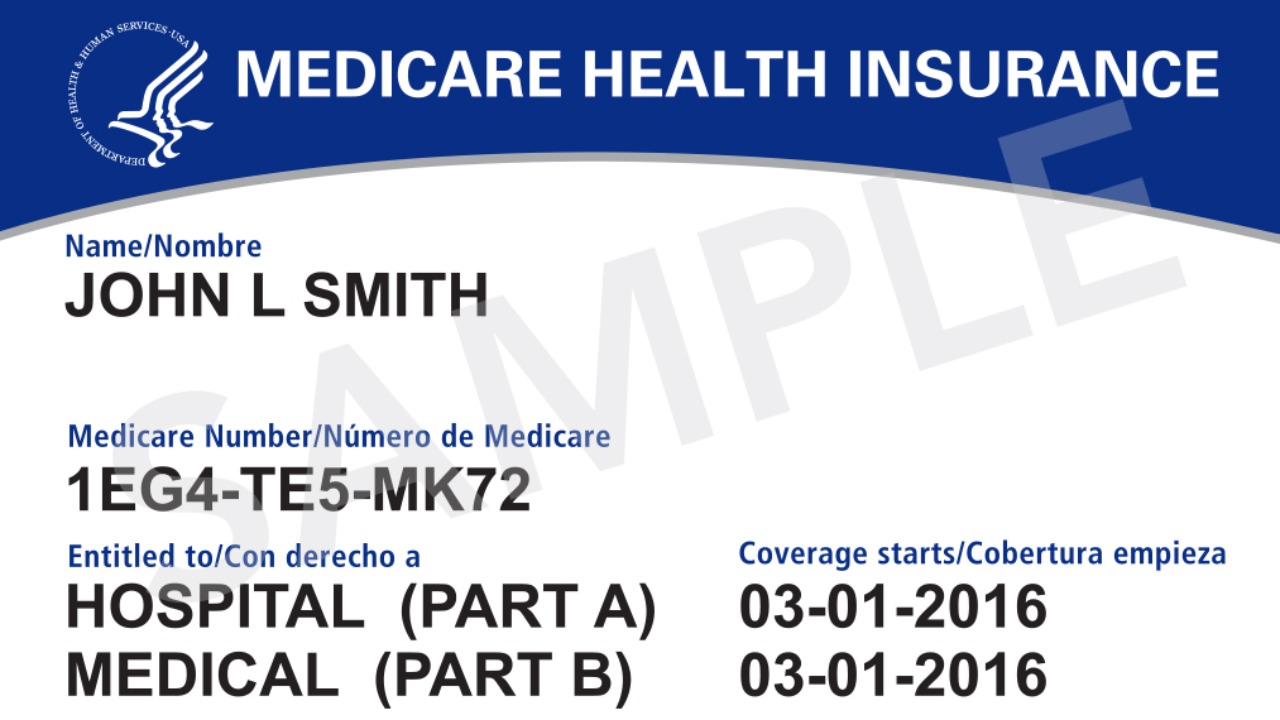
The transition to Medicare at age 65 is a critical step for early retirees. Understanding the timing and options available is essential to ensure a seamless transition. Resources like ValuePenguin offer guidance on navigating this process.
Proper planning can help retirees avoid gaps in coverage and ensure they make informed decisions about their Medicare options, ultimately enhancing their healthcare security in retirement.
Staying Informed
Staying informed about changes in healthcare policy is vital for early retirees. Regularly reviewing insurance options and financial plans can help retirees respond to policy changes that may affect their healthcare coverage and retirement strategy.
By remaining proactive and informed, early retirees can better navigate the complexities of the health insurance landscape, ensuring their healthcare needs are met throughout retirement.

Nathaniel Cross focuses on retirement planning, employer benefits, and long-term income security. His writing covers pensions, social programs, investment vehicles, and strategies designed to protect financial independence later in life. At The Daily Overview, Nathaniel provides practical insight to help readers plan with confidence and foresight.

