The Federal Reserve has quietly become one of the biggest buyers of short term U.S. debt again, scooping up more than $90 billion in Treasury bills since December and reshaping the plumbing of the financial system in the process. That sounds abstract, but it reaches directly into your wallet through mortgage rates, credit card bills, savings yields and even the safety of your job.
By leaning back into large scale purchases of government IOUs, the Fed is trying to keep markets calm while the Treasury finances a record debt load. The risk is that what officials describe as a technical tweak morphs into a new era of stealth stimulus, with consequences that ordinary borrowers and savers will feel long before they ever hear the phrase “reserve management purchases.”
What exactly the Fed is buying, and why it matters
The Fed has bought over $90B in Treasury bills since December, focusing on short dated government IOUs that mature in a year or less. Officials say these are “reserve management” operations, not a new round of crisis era bond buying, but the scale is already large enough to shape how much cash sloshes through the banking system and what yields investors demand on other assets. When the central bank steps in as a major buyer, it props up prices on these bills and nudges their yields lower, which then ripples into money market funds, corporate funding costs and the rates banks offer on your savings account.
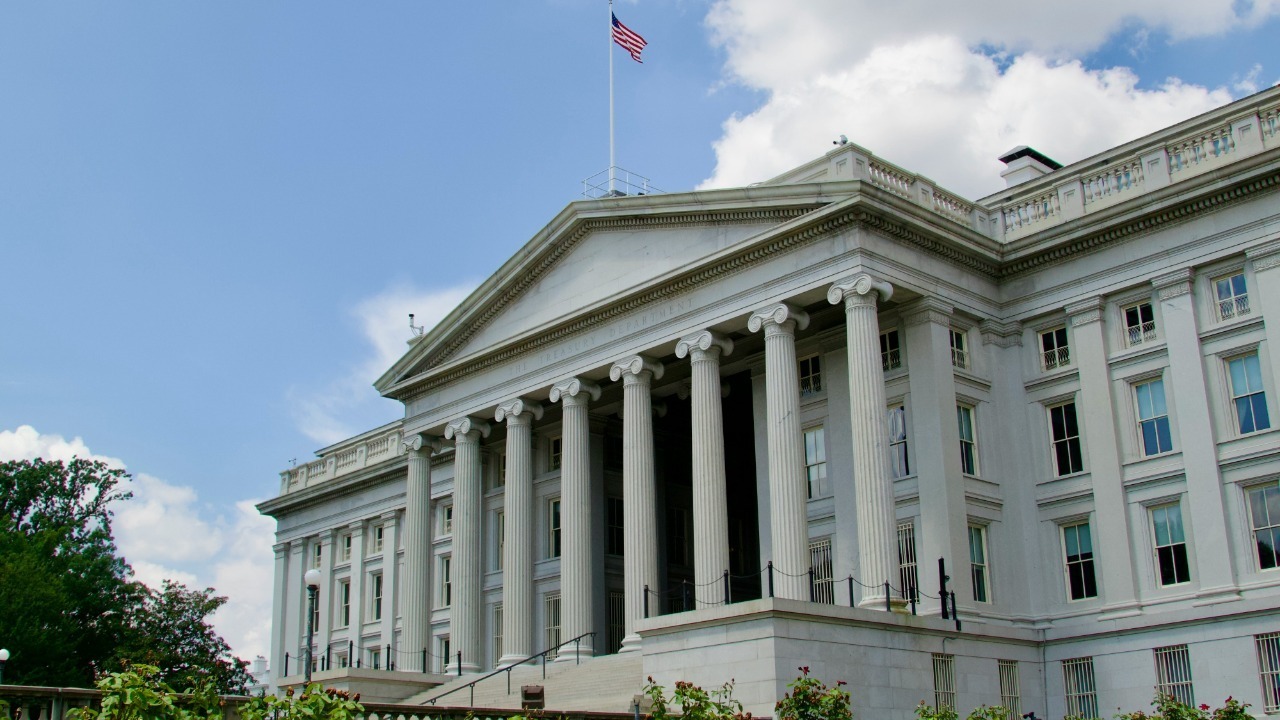
According to Vivien Lou Chen, The Federal Reserve began buying Treasury bills on Dec. 12 as part of a broader effort to stabilize reserves after ending its balance sheet reduction. The Treasury Deparment has acknowledged that the Federal Reserve has bought more than $90 billion of these short dated bills, a move that officials concede will have an impact on many Americans because it interacts with already high borrowing costs and a heavy schedule of new government issuance.
From “technical tweak” to de facto stimulus
Fed officials insist this is not a return to the emergency era bond buying that inflated asset prices after the financial crisis, but the mechanics look familiar. The Treasury has said that Balance sheet reduction ended on December 1st and the Fed began buying $40 billion per of Treasury bills via a program described as Reserve Manag purchases, a pace that would reach $40 billion in a single month even before any additional interventions. When a central bank that large commits to being in the market every week, it is hard to argue that the effect is purely cosmetic.
Market veterans have already started calling the program “QE light,” a nod to the quantitative easing of the past when the Fed bought longer term Treasu securities to compress yields. One former policymaker noted that the stock market saw this new bill buying as a sign that the Fed would keep markets functioning smoothly, which is exactly what investors expect from stimulus. As much as officials describe the effort as a narrow liquidity operation, critics argue it is simply a return to quantitative easing in another guise, a view echoed by analysts who see the purchases as part of a mega plan to keep government borrowing costs contained.
How bill buying filters into your mortgage, card rate and job
For households, the most immediate channel is through interest rates on everything from 30 year mortgages to auto loans and credit cards. Anyone who has tried to buy a home or obtain a long term business loan in 2026 may have already noticed that borrowing costs are high, even as the Fed has shifted from aggressive hikes to a more cautious stance. Reporting on these conditions notes that Anyone seeking long term credit is running into the combined effect of heavy Treasury issuance and a central bank that is still holding its policy rate high, even as it buys short term bills to smooth the edges.
At the same time, the Federal Reserve’s open market operations to set the federal funds rate and manage money supply significantly influence yields across the curve, which in turn shape your savings returns and the cost of corporate borrowing. When The Federal Reserve increases demand for government bonds, it generally lowers yields, which can mean lower mortgage rates in particular, but it can also compress what banks are willing to pay on deposits and money market funds. Analysts at one policy group emphasize that The Federal Reserve is walking a tightrope between supporting a bond market strained by national debt and avoiding a new wave of asset inflation that could ultimately threaten jobs if it forces sharper rate hikes later.
The strategy behind “reserve management” and what comes next
Inside the Fed, officials frame these purchases as a preemptive move to keep the banking system flush with cash during known stress points, not as a stealth bailout of the Treasury. According to Fed Chair Jerome Powell, the Fed is concerned about a temporary decline in reserves around April 15, Tax Day, so it is using these operations to mechanically increase bank reserves before that crunch hits. One detailed explainer notes that According to Fed Chair Jerome Powell, this is meant to avoid a repeat of past money market flare ups, not to drive long term rates lower.
Yet the scale of the program suggests it will shape markets throughout 2026. A major custody bank has told clients that Fed Will Be Main Buyer of Treasury Bills in 2026, BNY Says, assuming $40 billion in Reserve Manag purchases through April and a taper to $20 billion after that. In its note, BNY highlighted that the Federal Reserve will be the dominant buyer of these government backed securities, which effectively crowds out some private demand and could keep short term yields lower than they would otherwise be, even as the policy rate stays elevated.
Where this leaves savers, investors and the White House
For savers and retail investors, the renewed focus on bills creates both opportunity and frustration. On one hand, Treasury bills remain among the safest assets in the world, but the biggest downside of investing in T bills is that you are going to get a lower rate of return compared to other investments such as stocks or corporate bonds. Financial planners warn that while these instruments can be a useful parking place for cash, they may not be the best option for long term growth, a point underscored in guidance that notes the biggest downside is the opportunity cost if markets rally while you sit in short term government paper.
For markets and politics, the stakes are just as high. Analysts in a Fixed Income Market Outlook describe the 2026 environment as Steady but Restrained, with Federal Reserve Policy likely to pause in early 2026 and then cut cautiously if inflation allows, a path that depends heavily on how these bill purchases interact with broader financial conditions. One research team argues that The Fed is trying to avoid a sharp tightening in credit that would worsen inflation fears, while another Fed Outlook notes that the Key scenario for 2026 is gradual rate cuts from current restrictive levels. As the Federal Open Market Committee keeps its key rate in a relatively high range and the Meeting minutes stress a data dependent approach, Fed Chair Jerome Powell has also delivered Bad news for Trump by signaling that a still solid economy and labor market leave little room for politically convenient rate cuts, even as unemployment has risen from its absolute lows.
More From The Daily Overview
*This article was researched with the help of AI, with human editors creating the final content.

Grant Mercer covers market dynamics, business trends, and the economic forces driving growth across industries. His analysis connects macro movements with real-world implications for investors, entrepreneurs, and professionals. Through his work at The Daily Overview, Grant helps readers understand how markets function and where opportunities may emerge.