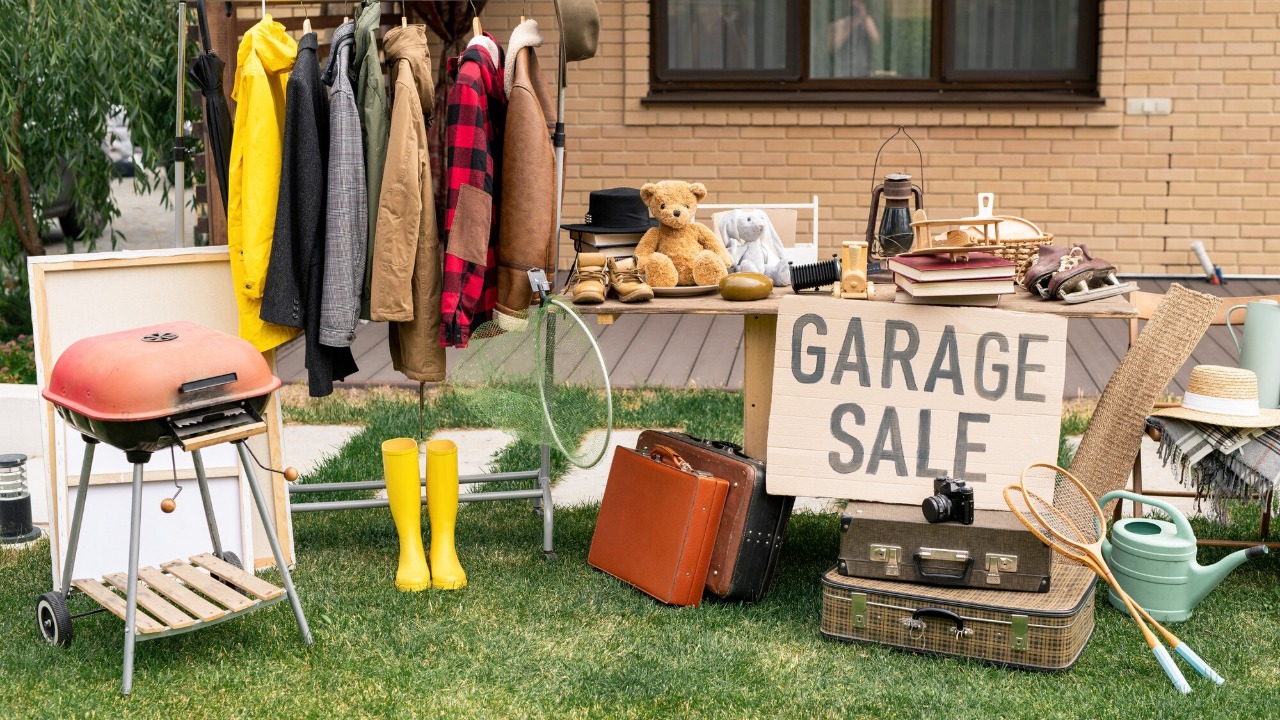
Garage sales are an excellent way to declutter and make some extra cash. However, organizing a successful sale requires more than just laying items out on the lawn. By following a few strategic rules, you can maximize your profits and ensure a smooth experience for both you and your buyers. Here are 11 essential rules to turn your garage sale into a money-making event.
Strategic Timing

The timing of your garage sale can significantly impact its success. I recommend holding your sale during the early spring or late summer when the weather is pleasant and people are more likely to be out and about. Weekend mornings, especially Saturdays, tend to attract the most foot traffic. Starting early, around 8 AM, ensures you capture the attention of serious buyers while they’re fresh and ready to spend.
Avoid holiday weekends when potential customers might be out of town. Instead, choose dates that coincide with local community events or other neighborhood sales. This can attract a larger crowd, as shoppers often plan their routes to hit multiple sales in one day.
Effective Advertising

Successful advertising is key to bringing in buyers. Utilize online platforms like Craigslist, Facebook Marketplace, and local community boards to post about your sale. Be sure to include the date, time, and address, as well as a few enticing details about the items you’re selling. Eye-catching photos in your ads can make a huge difference in drawing interest.
Consider joining or creating a local garage sale group on social media to reach a targeted audience. Word of mouth can also be powerful, so inform friends and neighbors who might be interested or who can spread the word further.
Eye-Catching Signage
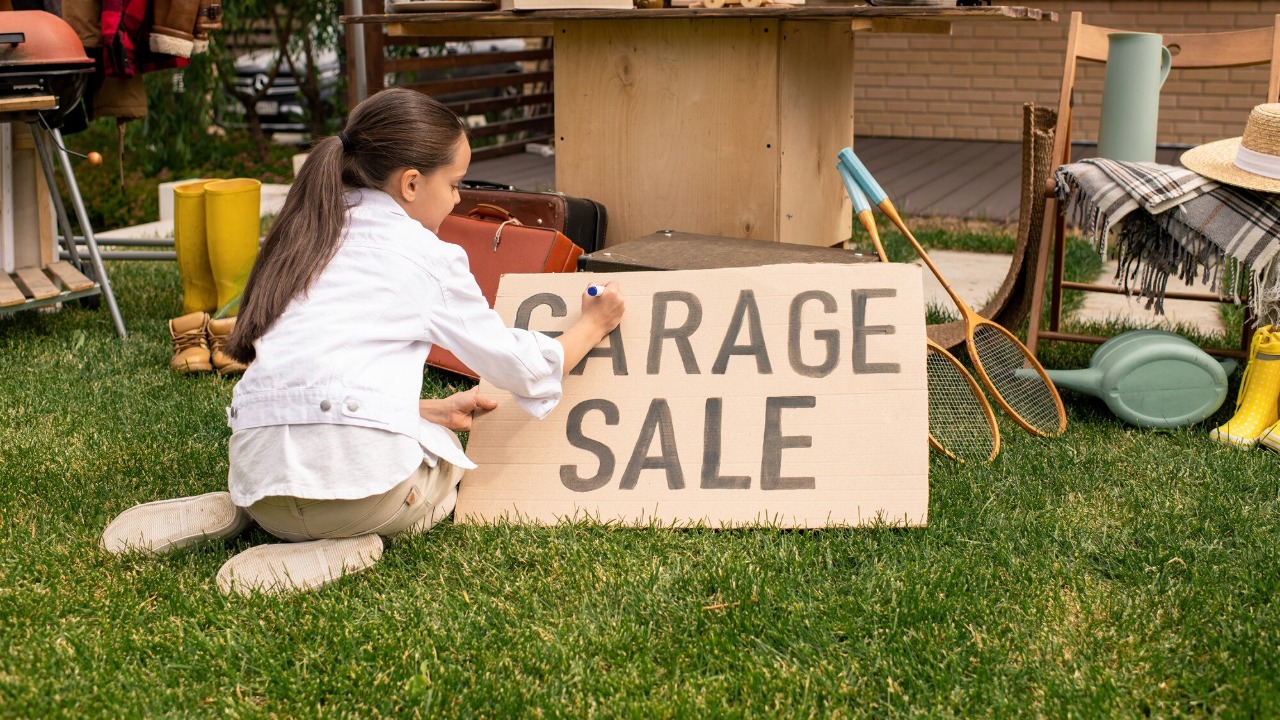
Effective signage is crucial for guiding potential buyers to your sale. Use large, colorful signs with bold lettering that can be easily read from a distance. Include clear directional arrows and your address to ensure no one gets lost. Place signs at major intersections near your location and along the route to your house.
Keep your messaging simple and direct. “Garage Sale” followed by the date and address is usually sufficient. Avoid cluttering the sign with too much information, which can be distracting and hard to read.
Organized Layout

An organized layout not only looks appealing but also makes it easier for buyers to browse your items. Group similar items together, such as clothing, electronics, and household goods. Use tables, shelves, or blankets to display smaller items at eye level, which encourages people to take a closer look.
I suggest leaving plenty of space between items to avoid overcrowding and to allow buyers to comfortably move around. An organized setup can lead to more sales, as customers are more likely to find what they’re looking for without feeling overwhelmed.
Pricing Strategy

Setting the right prices is an art. Research typical garage sale prices for similar items in your area and price your goods accordingly. Consider pricing items slightly higher than your bottom line to leave room for negotiation. Use easy-to-read price tags or stickers to clearly display prices, making it easier for buyers to decide on their purchases.
Offer discounts for bulk purchases or create bundled deals to entice buyers. For example, you might sell paperback books for $1 each but offer five for $4. This strategy can help you move more items and maximize your profits.
Negotiation Tactics

Negotiation is a common part of garage sales, so be prepared to haggle. I find it helpful to set a minimum price in mind for each item before the sale begins. When negotiating, remain friendly and flexible while sticking to your established limits.
Remember, the goal is to sell, so be open to fair offers. If a buyer is interested in multiple items, consider offering a discount. This not only increases sales but also helps you clear out more inventory.
Freebies and Bundles

Offering freebies or bundled deals can attract more buyers to your sale. Consider setting up a “free” box with smaller, less valuable items that can serve as a draw for passersby. This can create goodwill and encourage buyers to stay and browse longer.
Bundling items, such as offering a set of dishes at a reduced price, can also be effective. This strategy not only increases the perceived value but also helps you move more items in a single transaction.
Refreshment Station

Setting up a refreshment station can keep shoppers happy and extend their stay at your sale. Offer bottled water, coffee, or lemonade for a small fee or as a complimentary. This small gesture can make a big difference in the overall atmosphere of your sale.
Consider having a cooler or thermos on hand to keep drinks cold or hot. Providing refreshments not only adds a hospitable touch but can also increase sales, as happy customers are more likely to make a purchase.
Electronic Payment Options
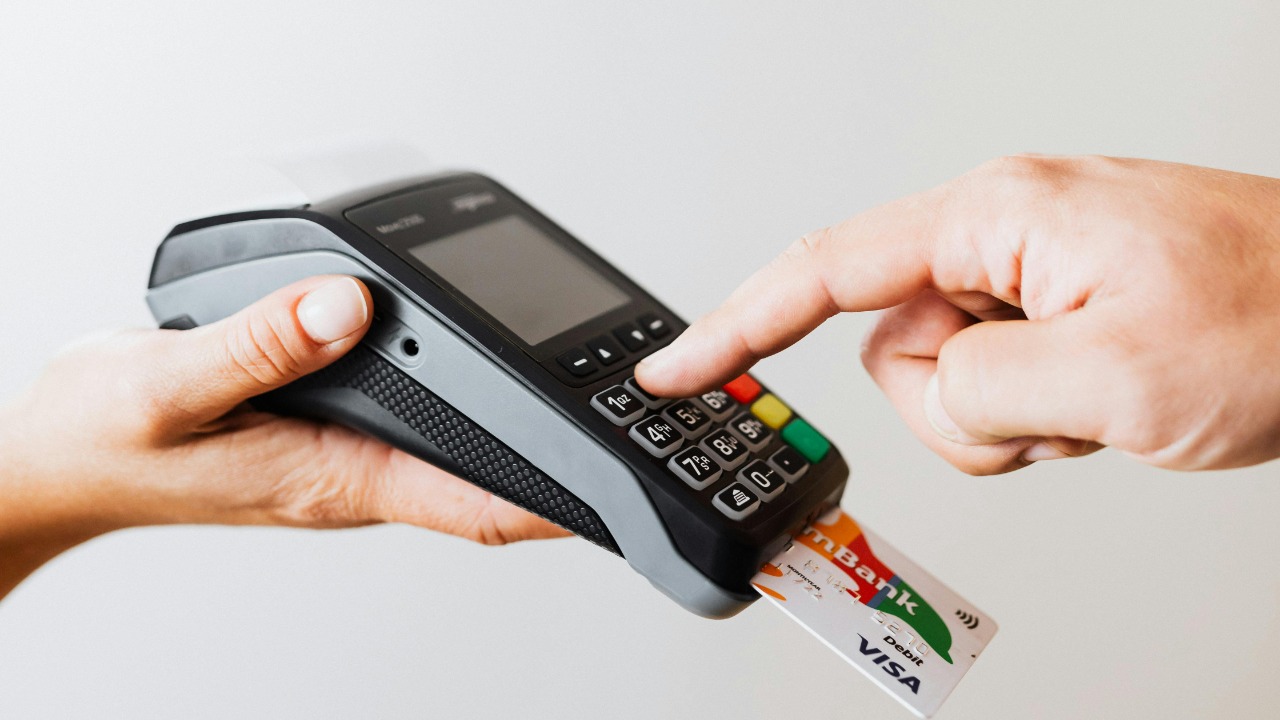
In today’s digital age, offering electronic payment options can significantly boost your sales. Accepting payments through apps like PayPal, Venmo, or Square provides convenience for buyers who may not have enough cash on hand. This flexibility can lead to more sales and higher profits.
Before the sale, ensure your devices are charged and internet access is available. Clearly display signs indicating that you accept electronic payments to inform buyers and encourage larger purchases.
Weather Preparedness
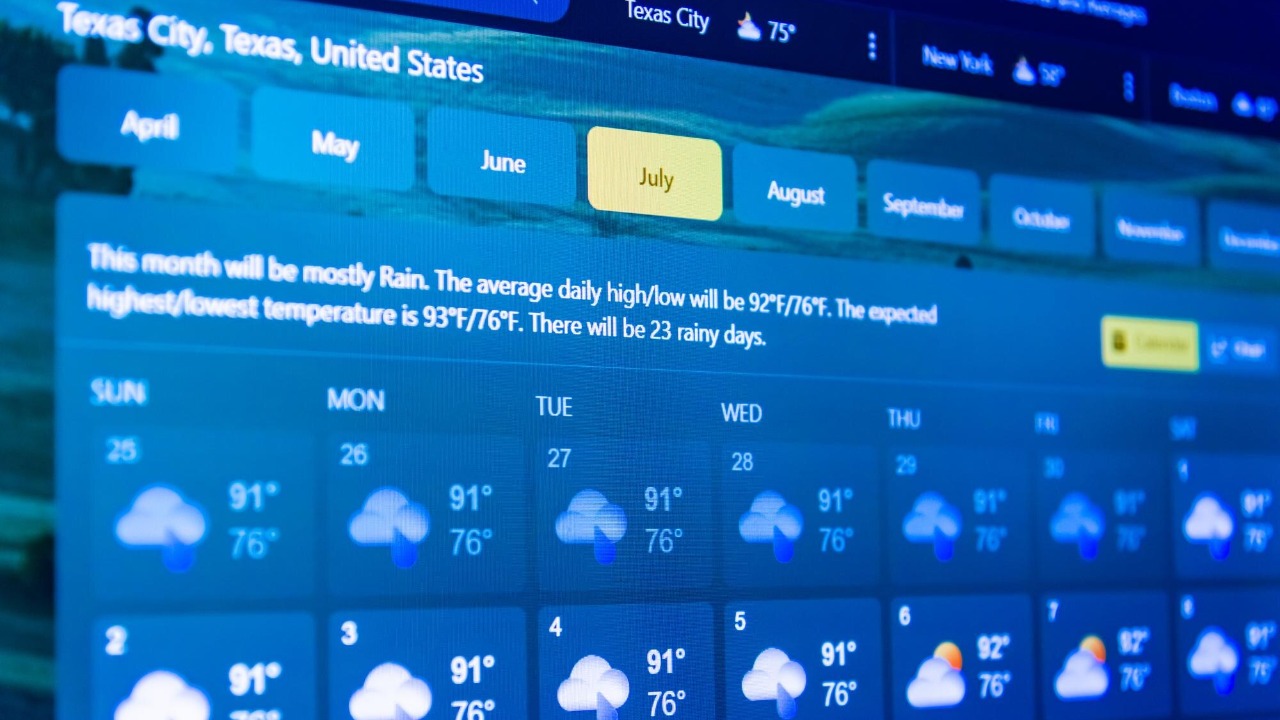
Being prepared for weather changes is essential for a successful garage sale. Check the forecast in advance and have a plan for unexpected rain or wind. Consider setting up tents or canopies to protect your items and customers from the elements.
Weigh down lighter items or secure them with clips to prevent them from blowing away. Having a backup plan in case of severe weather ensures your sale can continue smoothly and without interruption.
Post-Sale Follow-Up

After the sale, follow up with any unsold items. Consider donating them to local charities or thrift stores, which can often provide you with a tax deduction. Alternatively, you might list higher-value items on online marketplaces for additional profit.
Take some time to reflect on what worked well and what could be improved for future sales. This post-sale analysis can provide valuable insights for your next garage sale.

Cole Whitaker focuses on the fundamentals of money management, helping readers make smarter decisions around income, spending, saving, and long-term financial stability. His writing emphasizes clarity, discipline, and practical systems that work in real life. At The Daily Overview, Cole breaks down personal finance topics into straightforward guidance readers can apply immediately.
