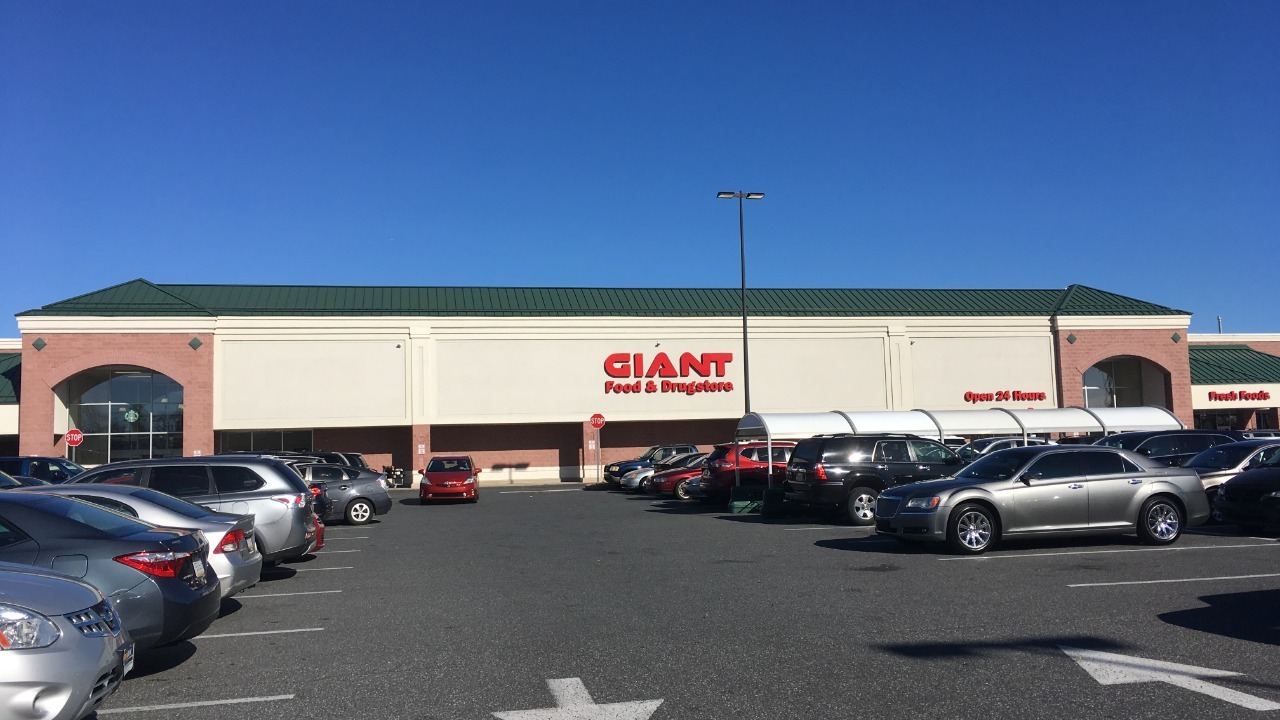
The Giant Company is expected to take over two grocery locations in rural Pennsylvania after the stores’ current operators filed closure notices tied to a sale-of-business transaction, a move that will eliminate a combined 122 jobs across two small towns by late April 2026. Everett Foodliner, Inc. and Saxton Market, Inc. both submitted Worker Adjustment and Retraining Notification filings with the state that link the shutdowns to a transaction. The WARN records do not publicly list the buyer, but the filings indicate the closures are connected to a change in ownership, and the communities involved face disruption in the process.
Two Rural Stores Set to Close by Late April
State records paint a clear picture of what is coming for two Bedford County communities. Everett Foodliner, Inc., located at 250 W. Main St. in Everett, Pennsylvania, has 64 employees who face layoffs when the store closes. Saxton Market, Inc., at 509 Main St. in Saxton, Pennsylvania, employs 58 workers who will lose their positions on the same date. Both filings list April 20, 2026, as the layoff date, and both are categorized as full closures rather than partial reductions in force.
The filings explicitly tie the closures to a transaction, meaning the shutdowns are connected to a sale-of-business situation rather than being framed in the WARN log as a traditional operational wind-down. Instead, the stores are changing hands as part of a deal that could bring a new operator into these markets. For the 122 workers across the two locations, the distinction between a business failure and a business sale matters little in practical terms. Their jobs end on the same day regardless of the reason, and in towns the size of Everett and Saxton, absorbing that many displaced workers into the local labor market will not happen quickly.
What WARN Filings Reveal About the Deal
The Worker Adjustment and Retraining Notification Act requires employers to give at least 60 days of advance notice before mass layoffs or plant closures that meet certain thresholds. Pennsylvania enforces these federal requirements through its Department of Labor and Industry, which maintains a public log of all WARN filings in the state. The February 2026 entries for Everett Foodliner and Saxton Market appear in that log, and the state’s own guidance explains how sale-of-business situations trigger specific notice obligations. When a company sells its operations and the buyer does not retain the existing workforce, the seller must file a WARN notice covering the affected employees.
That legal framework is important for understanding what these filings do and do not prove. The WARN records confirm that closures are scheduled, that they are connected to a transaction, and that the employee counts and locations are as listed. They do not, however, disclose the financial terms of the deal, the identity of the buyer in explicit terms, or whether Giant plans to reopen the locations under its own banner with new staff. The filings function as a worker protection mechanism, not a corporate disclosure tool. Insufficient data exists in these records to determine the full scope of the acquisition or whether additional stores beyond these two are part of the same agreement.
Small-Town Grocery Access at Stake
Everett and Saxton are small communities in south-central Pennsylvania where a single grocery store can serve as the primary source of fresh food for miles around. When a store like Everett Foodliner closes, even temporarily during a transition to new ownership, residents who lack reliable transportation face an immediate gap in food access. Rural grocery deserts are already a well-documented problem across Appalachian Pennsylvania, and consolidation deals that prioritize efficiency over continuity can widen those gaps. The question for these communities is not just whether Giant will eventually operate in their towns, but how long the disruption will last and whether the new stores will stock the same range of products at comparable prices.
The timing adds another layer of difficulty. An April 20 closure date falls right as spring hiring typically picks up in rural areas, but seasonal agricultural and tourism work does not replace year-round grocery employment with benefits. Workers at both locations will need to find new positions or wait to see if Giant rehires locally when and if it reopens the stores. The Pennsylvania Attorney General’s office provides consumer and business resources, but the WARN filings themselves are published through the state labor agency, and no enforcement action related to these specific closures is reflected in the WARN records.
Giant’s Expansion Strategy and Its Tradeoffs
For Giant, picking up locations in markets where a competitor has decided to exit represents a low-friction way to grow its store count. The company does not need to build from scratch or compete for real estate. It acquires an existing customer base, established supply routes, and physical infrastructure in one transaction. That calculus works well on a corporate balance sheet, especially when the alternative is watching another chain or a dollar store fill the vacuum. But the strategy carries a tension that corporate announcements rarely address: the period between one operator leaving and the next one opening can be devastating for the workers and shoppers caught in between.
What the WARN filings make clear is that the current operators are exiting these locations through a transaction rather than a simple shutdown with no successor. The closures are tied to a sale, which suggests the operators found a buyer willing to take over. That is a better outcome than a liquidation with no successor. Still, the structured nature of the deal does not eliminate the real cost to employees who will be laid off before any new operation begins. Whether the eventual operator retains any of the 122 affected workers, offers them priority hiring, or starts fresh with an entirely new workforce is a decision that will define how these communities experience the transition.
What Comes Next for Affected Workers
Under the WARN Act, the 60-day notice window is designed to give employees time to seek new employment, arrange retraining, or access state workforce services before their last day. Pennsylvania’s Department of Labor and Industry administers rapid response programs that can deploy to affected worksites, offering resume assistance, job placement referrals, and information about unemployment benefits. For the 64 employees at Everett Foodliner and the 58 at Saxton Market, those resources represent the most immediate safety net available.
More From The Daily Overview
*This article was researched with the help of AI, with human editors creating the final content.

Grant Mercer covers market dynamics, business trends, and the economic forces driving growth across industries. His analysis connects macro movements with real-world implications for investors, entrepreneurs, and professionals. Through his work at The Daily Overview, Grant helps readers understand how markets function and where opportunities may emerge.

