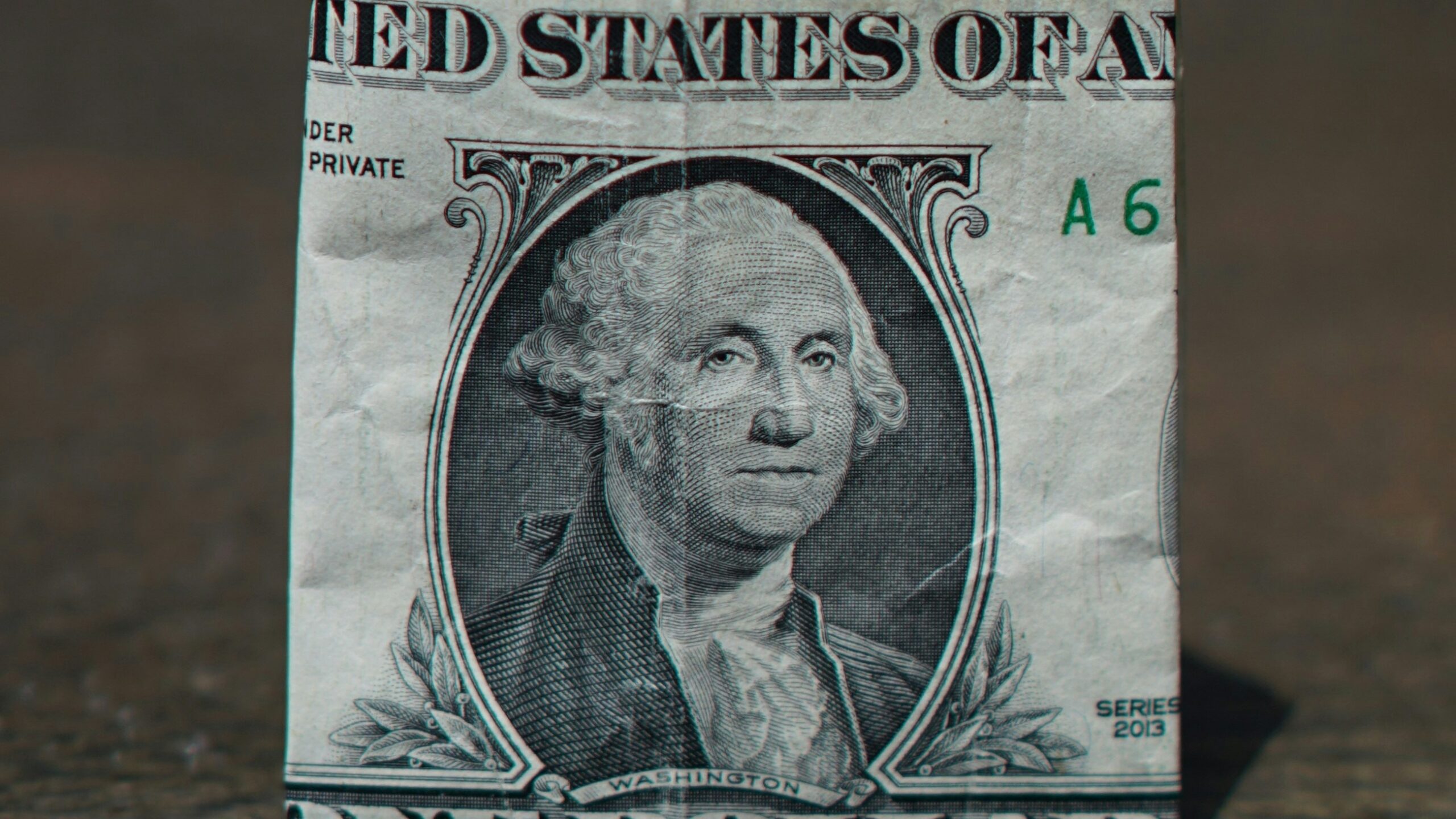
For once, the big money story of tax season is not a new bill to pay, but a windfall. Thanks to recent changes in federal tax law, the typical filer is on track to receive roughly $1,000 more from the government in 2026 than in prior years, delivered through larger refunds or smaller balances due. That extra cash will not arrive as a one-time stimulus check, but it will feel like one for many households watching their tax software suddenly flip from “you owe” to “you get.”
Behind that headline number is a mix of policy choices, political branding and technical tweaks that are quietly reshaping how much of each paycheck ultimately stays with workers. I will walk through what is driving the $1,000 boost, who is most likely to see it, and how it fits into a broader shift in how Washington uses the tax code to send money back to Americans.
How tax refunds ended up $1,000 bigger
The core story is straightforward: the federal tax code was adjusted so that, on average, Americans will see their final bill to the Internal Revenue Service fall by about $1,000 for the 2025 tax year, which is settled during the 2026 filing season. The White House has said that average tax refunds could be higher “by $1,000 or more” in 2026, citing early filing data and internal projections that point to a record-setting season for refunds once all returns are processed. That expectation is echoed in outside analysis that describes a typical filer’s refund as roughly $1,000 higher than in the recent past, with some households seeing substantially more depending on their income and credits.
Officials have framed this as a direct payoff from a package of tax cuts that President Trump has repeatedly promoted as a “big, beautiful bill,” arguing that the law delivers substantial tax reductions for most Americans rather than a narrow break for corporations. In public materials, the administration and its allies describe a system in which more of each paycheck is shielded from Tax and then reconciled at filing time, so that the Average worker ends up with a larger refund instead of a surprise balance due. That narrative is reinforced by estimates that the total amount returned to workers this year will climb sharply, with According to the Tax Foundation projections showing average refunds rising by about $1,000 as the new rules take full effect.
The policy mechanics behind the windfall
Under the hood, the extra money is not magic, it is math. The new law expanded several deductions and credits, adjusted brackets, and changed how withholding tables are calibrated, all of which reduce the share of income ultimately subject to federal Tax. In a press release from WASHINGTON, supporters highlighted that Tax filers could expect an extra $1,000 bump to their refunds in 2026 as a direct result of this new tax relief, describing it as a “record-breaking” outcome for households that have struggled with inflation and higher borrowing costs. That same message has been amplified in financial explainers that walk through how the “big, beautiful bill” trims liabilities for a wide range of filing statuses, from single workers to married couples with children.
Independent commentary has underscored that the government is not literally cutting a new $1,000 check for every person, but rather changing the as-you-go system so that less is ultimately kept by the Treasury. One analysis notes that The Government Will Send the Average American an Extra $1,000 in 2026 in the sense that the typical filer will either get a bigger refund or owe less when they settle up, not that everyone will see the exact same dollar figure. Another breakdown of Key Points for Americans stresses that the Tax Foundation expects the average refund to rise by about $1,000, while cautioning that the actual benefit will vary widely based on income, family size and eligibility for credits like the child tax credit or earned income tax credit.
Who benefits most from the bigger refunds
Not every household will experience the change in the same way, and some will not see a windfall at all. Treasury Department estimates suggest that Americans in the middle of the income distribution are most likely to see their refunds jump, with many returns showing increases approaching $1,000 as the new brackets and credits are applied. A video briefing from the Treasury Department on Tax Season 2026 describes how the average refund is expected to rise, while also noting that some seniors and low income filers will see targeted relief through expanded credits that reduce or eliminate their final tax bill.
Local coverage has echoed that pattern, reporting that as tax season begins, many Americans could see larger refunds this year due to recent changes to the tax code, with The Treasur highlighting a new tax break for some seniors and adjustments that particularly help families with children. A separate explainer on how Americans could see refunds up, with some filers seeing increases approaching $1,000, emphasizes that overall refunds in 2026 could reach a record level, even as some taxpayers with complex situations still end up owing. For those who typically receive modest refunds of a few hundred dollars, a $1,000 swing can feel transformative, turning a routine filing chore into a meaningful cash infusion.
What this is not: stimulus checks or tariff dividends
The timing and size of the refund boost have fueled confusion about whether a new round of stimulus checks is on the way. The Brief from one fact check makes clear that no new federal stimulus checks are approved for Jan 2026, and that Trump’s proposed $2,000 tariff dividend has no finalized legislation behind it. A companion report reiterates that there is no separate relief payment scheduled to hit IRS direct deposit accounts, and that any extra money arriving in early 2026 will come through the normal tax filing process rather than a stand alone program.
Other coverage has tackled the same misconception from a different angle, noting that Is Trump sending a stimulus check is a common question, but that There is no federal stimulus check approved or scheduled as of Jan 2025 and Congress has not yet passed any law authorizing such payments. A detailed Q&A on Is the $2,000 tariff dividend check real and Will there be a fourth stimulus check explains that Trump previously floated the idea of using part of tariff revenue to fund $2,000 payments, but that Congress has not yet approved the checks and no payment schedule exists. Another international explainer on What Trump’s $1,000 tax refund increase means stresses that the projected $1,000 boost is not a separate stimulus check sent outside the tax system, but rather a larger refund that many filers will see in February or March via direct deposit.
How Trump Accounts and long term savings fit into the picture
While the 2026 windfall is arriving through the tax code, the administration is also trying to channel some of that momentum into longer term savings. President Trump has promoted a new program of “Trump Accounts,” a savings plan for eligible American children that aims to seed investment from birth. A video segment on Big companies are heeding President Trump’s call to support his Trump Accounts shows major employers and financial institutions lining up behind the idea, pitching it as a way to build wealth for the next generation while reinforcing the message that tax relief today can translate into savings tomorrow.
More From TheDailyOverview
*This article was researched with the help of AI, with human editors creating the final content.

Grant Mercer covers market dynamics, business trends, and the economic forces driving growth across industries. His analysis connects macro movements with real-world implications for investors, entrepreneurs, and professionals. Through his work at The Daily Overview, Grant helps readers understand how markets function and where opportunities may emerge.

