
Retirement doesn’t always mean the end of work. Many retirees continue to work, fueled by habits that keep them engaged and productive. From lifelong learning to embracing technology, these practices help retirees find fulfillment and purpose in their ongoing careers. Here are 11 habits that keep retirees working and thriving well into their golden years.
Lifelong Learning

Retirees who stay active in the workforce often have a strong commitment to lifelong learning. Whether it’s taking courses on platforms like Coursera or attending workshops, continuous education keeps the mind sharp and relevant in today’s rapidly changing job market. This habit not only enhances their skills but also boosts their confidence in tackling new challenges.
Moreover, engaging in learning opportunities, such as online classes, helps retirees stay connected with younger generations, fostering a sense of community and collaboration. By keeping up-to-date with industry trends, they remain valuable assets in their fields.
Maintaining a Routine

A structured routine can significantly contribute to a retiree’s ability to keep working. By setting regular hours for work, exercise, and leisure, retirees create a balanced lifestyle that supports both productivity and relaxation. This consistency helps them manage their time effectively and reduces the stress of transitioning into retirement.
For instance, starting the day with a morning walk followed by dedicated work hours can provide a sense of achievement and purpose. This routine helps maintain a healthy work-life balance that is crucial for long-term satisfaction.
Networking Regularly

Maintaining and expanding professional networks is essential for retirees who wish to continue working. Regular networking keeps retirees informed about potential job opportunities and industry developments. Attending industry conferences, joining professional groups, or participating in online forums are excellent ways to stay connected.
For example, platforms like LinkedIn offer retirees a way to connect with former colleagues and new contacts. These relationships can lead to collaborations or consulting gigs, providing both income and intellectual stimulation.
Staying Physically Active
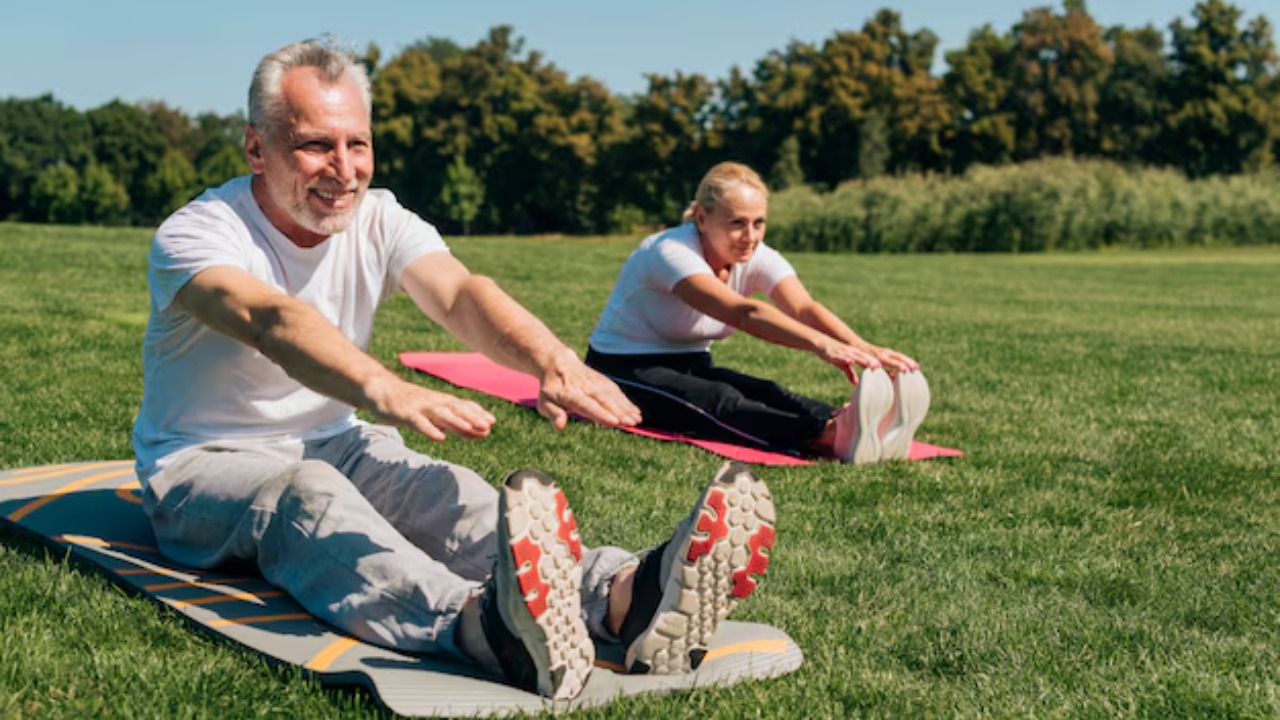
Physical health is closely linked to productivity and mental well-being. Retirees who prioritize staying active often find themselves more energetic and focused on their work tasks. Engaging in activities like yoga, swimming, or hiking can improve overall health and reduce the risk of chronic diseases.
Regular exercise also provides a natural boost in mood and cognitive function, making it easier for retirees to tackle work-related challenges. By incorporating physical activity into their daily routine, retirees can maintain the stamina needed to continue working.
Embracing Technology

Staying current with technology is crucial for retirees who want to continue working. Whether it’s learning new software or using apps to streamline work processes, embracing technology can significantly enhance productivity. Retirees can take online courses or attend workshops to learn new tools and platforms.
For example, familiarizing themselves with video conferencing tools like Zoom or collaboration platforms such as Slack can open up new opportunities for remote work. This adaptability ensures retirees remain competitive in the modern workforce.
Pursuing Passion Projects

For many retirees, work is an opportunity to pursue passion projects that were set aside during their primary careers. These projects can range from starting a small business to writing a book or volunteering for a cause they care about. Engaging in meaningful work can provide a sense of purpose and satisfaction.
Passion projects often lead to creative expression and personal fulfillment, which can be even more rewarding than traditional employment. By focusing on what they love, retirees can enjoy a more enriching retirement experience.
Setting New Goals

Setting new goals is a powerful way for retirees to stay motivated and engaged in their work. These goals can be personal or professional, providing direction and a sense of achievement. Whether it’s learning a new skill or completing a long-term project, having clear objectives keeps retirees focused and driven.
For example, a retiree might set a goal to learn a new language or to mentor younger professionals in their field. These aspirations not only provide personal satisfaction but also contribute to their ongoing development.
Volunteering in the Community

Volunteering is a wonderful way for retirees to stay active and give back to the community. This habit not only fulfills a social responsibility but also provides opportunities to apply their skills and expertise in meaningful ways. Volunteering can lead to new friendships and a sense of belonging.
Retirees can find volunteer opportunities through organizations like the American Red Cross or local community centers. By serving others, retirees often find renewed purpose and satisfaction in their daily lives.
Managing Finances Wisely

Financial stability is key to a fulfilling retirement that includes work. Retirees who manage their finances wisely can choose work that they enjoy rather than work driven by necessity. This financial freedom allows them to explore diverse opportunities without the stress of financial constraints.
Tools like budgeting apps and financial planning services can help retirees track their expenses and investments. For more insights, Yahoo Finance offers advice on managing finances in retirement.
Seeking Mentorship Opportunities

Many retirees find fulfillment in mentoring the next generation. Sharing their knowledge and experience can be incredibly rewarding and provides a way to stay connected to their field. Retirees can seek out mentorship opportunities through local colleges or professional organizations.
By acting as a mentor, retirees not only give back to their community but also gain fresh perspectives and insights from younger professionals. This exchange of ideas can be invigorating and help retirees stay engaged with current industry trends.
Prioritizing Work-Life Balance

Balancing work and personal life is essential for retirees who choose to continue working. Prioritizing work-life balance helps prevent burnout and ensures that retirees have time for leisure and personal interests. Setting boundaries and managing time effectively are crucial components of this balance.
For instance, retirees can use tools like Google Calendar to schedule their activities and ensure they have enough time for relaxation. Boldin offers additional tips on achieving a balanced lifestyle in retirement.

Nathaniel Cross focuses on retirement planning, employer benefits, and long-term income security. His writing covers pensions, social programs, investment vehicles, and strategies designed to protect financial independence later in life. At The Daily Overview, Nathaniel provides practical insight to help readers plan with confidence and foresight.

