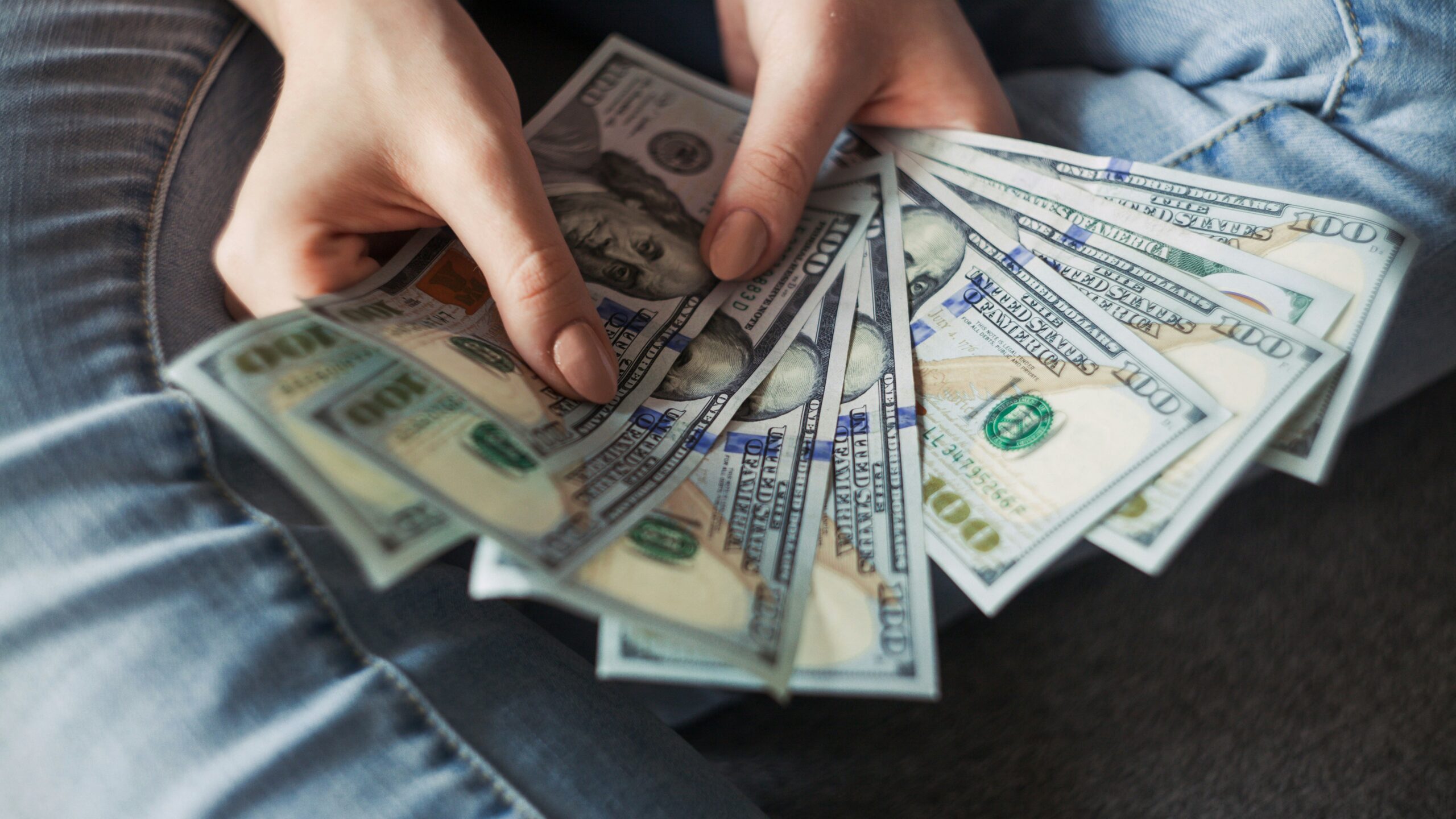
Parking cash in a low-rate savings account feels safe, but in the current rate and inflation environment it is quietly eroding your wealth. The gap between what big banks pay and what is available elsewhere has turned “lazy cash” into a real financial liability, especially as prices keep rising. I see more households treating cash as a security blanket without realizing how much that comfort is costing them every single year.
The hidden penalty shows up in two places at once: the interest you are not earning and the purchasing power you are losing to inflation. With higher-yield options widely available and inflation still elevated, leaving money in a low-rate account is less about safety and more about accepting a slow, predictable loss.
The math of low rates versus high yield
The most obvious cost of a low-rate account is the interest you never see. A simple comparison of a Low Rate Account paying 0.5% and a High Yield Account paying 4.5% on $10,000 shows how stark the difference has become. After one year, the low-rate option grows to $10,050, while the higher-yield account reaches $10,450, creating Extra Earnings From of $400 on the same $10,000. Stretch that over several years and across larger balances, and the “safe” choice starts to look like a very expensive habit.
What makes this gap more frustrating is that competitive savings yields are still available even as rates drift lower. Forecasts for Savings and money market accounts suggest that top yields will continue to slide but remain far above the near-zero rates many legacy banks pay. In other words, the difference between a sleepy account and a more active one is not a few basis points, it is often several full percentage points that translate directly into hundreds of dollars a year in forgone interest.
Inflation turns “safe” cash into a guaranteed loss
Even if you ignore the yield gap, inflation alone makes low-rate cash a losing bet. When your savings earn very little interest, you are effectively accepting a guaranteed loss in purchasing power if prices rise faster than your account balance. As one analysis of low-rate savings puts it, When your money sits idle, you can end up far less financially flexible than you expected when you finally need that cash.
Recent projections underscore how persistent that pressure may be. A baseline forecast expects CPI inflation to accelerate to 3.6% year-over-year by June of this year, which would outpace the returns on many traditional savings accounts. As one Article Summary on Inflation explains, rising prices steadily reduce the purchasing power of money over time, affecting both everyday expenses and long-term savings. Since the COVID period of aggressive stimulus and low rates, households that stayed in cash have already experienced a significant loss of value after inflation, a pattern highlighted in commentary that begins, Since the COVID pandemic, cash has quietly lagged behind the cost of living.
Big banks, tiny yields and the drag on your goals
The gap between what your cash could earn and what it actually earns is often largest at the biggest institutions. Some of the largest players, including Wells Fargo, Chase and Bank of America, have been cited as paying around 0.08% interest on standard savings, which translates into very little money, roughly $200 per year on a quarter of a million dollars. Separate reporting notes that Keeping Your Savings at a Big Bank Could Cost You Hundreds Every Year, because these institutions still pay near 0% on savings while smaller online players offer far more.
That shortfall is what financial planners often call “cash drag,” the way under-earning cash slows progress toward your goals. A widely shared video titled Too Much Cash? frames the issue bluntly: the money you think is keeping you safe might actually be shrinking. I see this most clearly with emergency funds and down payment savings that sit for years in low-rate accounts, quietly falling behind both inflation and the returns available in more competitive savings products.
What rate forecasts mean for your savings strategy
Looking ahead, the interest rate backdrop is shifting, but not in a way that justifies complacency. Analysts expect savings yields to keep easing, yet they still see room for competitive returns, with one forecast pegging a 3.7% savings account forecast at the top end. Separate projections for Tools that track top yields for savings and money market accounts suggest that even as rates drift down, the best offers will remain far above the 0.5% tier that defines many legacy accounts.
At the same time, experts caution that high-yield savings returns are not locked in. One strategist noted that High-yield savings accounts will likely fluctuate and go down if the Federal Reserve continues to lower interest rates, but moving to a more competitive account earlier in the year could protect your returns. In other words, the window for easy, low-risk yield may narrow, yet the spread between the best and worst accounts is likely to remain wide enough that switching still matters.
How to put idle cash back to work
The good news is that the fix for cash drag is straightforward: move idle money into accounts that at least keep pace with inflation and prevailing savings rates. Right now, top high-yield savings accounts are offering up to 5.00% APY as of Feb. 5, 2026, a level that blows away the FDIC national average. A separate roundup of the Best high-yield savings accounts notes that savers can Earn up to 4% APY, underscoring how much room there is to improve on a 0.5% or 0.08% account without taking on stock market risk.
In practice, I encourage people to segment their cash. Keep a true emergency fund in a competitive high-yield account, then consider short-term CDs or money market funds for near-term goals, and only hold minimal balances in low-rate checking for bills. Rate forecasts for Savings and CDs suggest that online and challenger banks will continue to offer better deals than traditional institutions, so it pays to shop around. The real risk for most households is not that they will chase a slightly lower rate at the wrong moment, it is that they will leave large balances in low-rate accounts for years and let inflation quietly do the damage.
More From The Daily Overview
*This article was researched with the help of AI, with human editors creating the final content.

Cole Whitaker focuses on the fundamentals of money management, helping readers make smarter decisions around income, spending, saving, and long-term financial stability. His writing emphasizes clarity, discipline, and practical systems that work in real life. At The Daily Overview, Cole breaks down personal finance topics into straightforward guidance readers can apply immediately.
