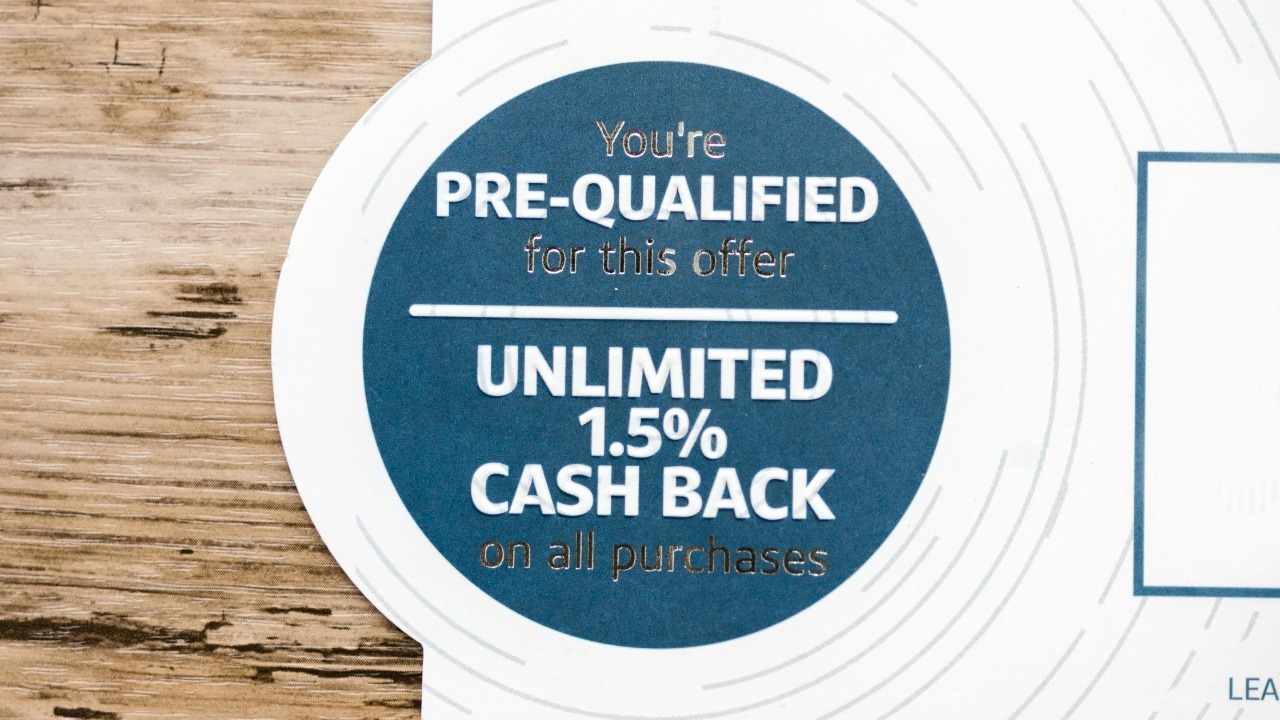
Many consumers are drawn to credit cards by the promise of cash back rewards, but hidden fees can significantly diminish these benefits. As credit card companies increasingly rely on these fees to boost profits, it’s crucial for cardholders to understand the potential pitfalls that can undermine their cash back earnings.
Understanding Hidden Fees

Annual Fees
Annual fees are one of the most common hidden costs associated with credit cards. Despite being prominently displayed in terms and conditions, they often go unnoticed, especially when consumers are eager to secure lucrative cash back offers. These fees, which can range from $50 to $500 a year depending on the card, can quickly erode any cash back rewards you’ve earned. For instance, if your card offers 1.5% cash back and you pay a $100 annual fee, you’d need to spend over $6,667 just to break even on the fee alone.
To avoid or minimize these fees, consider selecting a credit card that doesn’t charge an annual fee. Many credit card issuers offer no-fee options that still provide substantial rewards. Alternatively, you can try negotiating with your card issuer to waive the fee, especially if you’re a long-time customer. It’s not uncommon for companies to waive the annual fee as a retention strategy.
Foreign Transaction Fees
Foreign transaction fees can also eat into your cash back earnings, often catching travelers off guard. These fees typically range from 1% to 3% of each purchase made outside the U.S., which can substantially reduce your rewards when traveling abroad. For example, if you spend $3,000 on a European vacation, you could incur up to $90 in foreign transaction fees, negating much of the cash back you might earn on those purchases.
To preserve your cash back rewards while traveling, opt for credit cards that waive foreign transaction fees. Cards like the Chase Sapphire Preferred or the Capital One Venture Rewards are popular choices among travelers, as they offer not only no foreign transaction fees but also lucrative travel rewards. By choosing the right card, you can maximize your cash back even when spending internationally.
Interest and Late Payment Penalties

Impact of Interest Rates
Carrying a balance on your credit card from month to month can severely undermine your cash back benefits due to high interest charges. Most credit cards have interest rates ranging from 15% to 25%, which can quickly outpace the value of any rewards you’ve earned. For instance, if you have a balance of $1,000 with an interest rate of 20%, the monthly interest charge could be about $16.67, which can negate any cash back rewards.
To maximize your cash back, it’s crucial to pay off your balance in full each month. Doing so not only helps you avoid interest charges but also keeps your credit utilization low, which can positively impact your credit score. This financial discipline ensures you reap the full benefits of your cash back card.
Consequences of Late Payments
Late payments can deliver a dual blow to your cash back rewards. Not only do they often result in hefty late fees, but they can also trigger an increase in your interest rate, known as a penalty APR. This higher rate can apply to your existing balance and future purchases, further eroding the value of your rewards. Moreover, late payments can negatively impact your credit score, making it harder to qualify for premium cash back cards in the future.
To avoid late fees, consider setting up automatic payments for at least the minimum amount due each month. This simple step can help ensure you never miss a payment. Additionally, many credit card issuers offer reminders via email or text, which can be especially helpful in maintaining a timely payment schedule.
Complex Reward Structures

Tiered and Rotating Categories
Some credit cards offer tiered or rotating categories that provide higher cash back rates on certain types of purchases. While these can be lucrative, they also require careful management to maximize rewards. For example, a card might offer 5% cash back on groceries one quarter and on gas the next. If you’re not aware of these shifts or fail to optimize your spending, you might miss out on potential rewards.
To effectively manage these complex structures, consider using apps like MaxRewards or CardPointers, which can help track and alert you to category changes. These tools can ensure you make the most of your spending by aligning it with the highest reward categories.
Minimum Spend Requirements
Many cash back cards offer bonus rewards if you meet a minimum spend requirement within a specific timeframe, often within the first three months of opening the account. While these bonuses can be attractive, they can also lead to unnecessary spending if you’re not careful. For instance, a card might offer $200 cash back if you spend $1,000 in the first 90 days. If you wouldn’t normally spend that much, the bonus might not be worth it.
To avoid falling into this trap, plan your purchases and expenses strategically. Consider timing larger necessary expenses, such as home repairs or yearly insurance premiums, to align with your new card’s introductory period. This way, you can meet the minimum spend without overspending or stretching your budget.
Redemption Restrictions
Limits and Expiration Policies
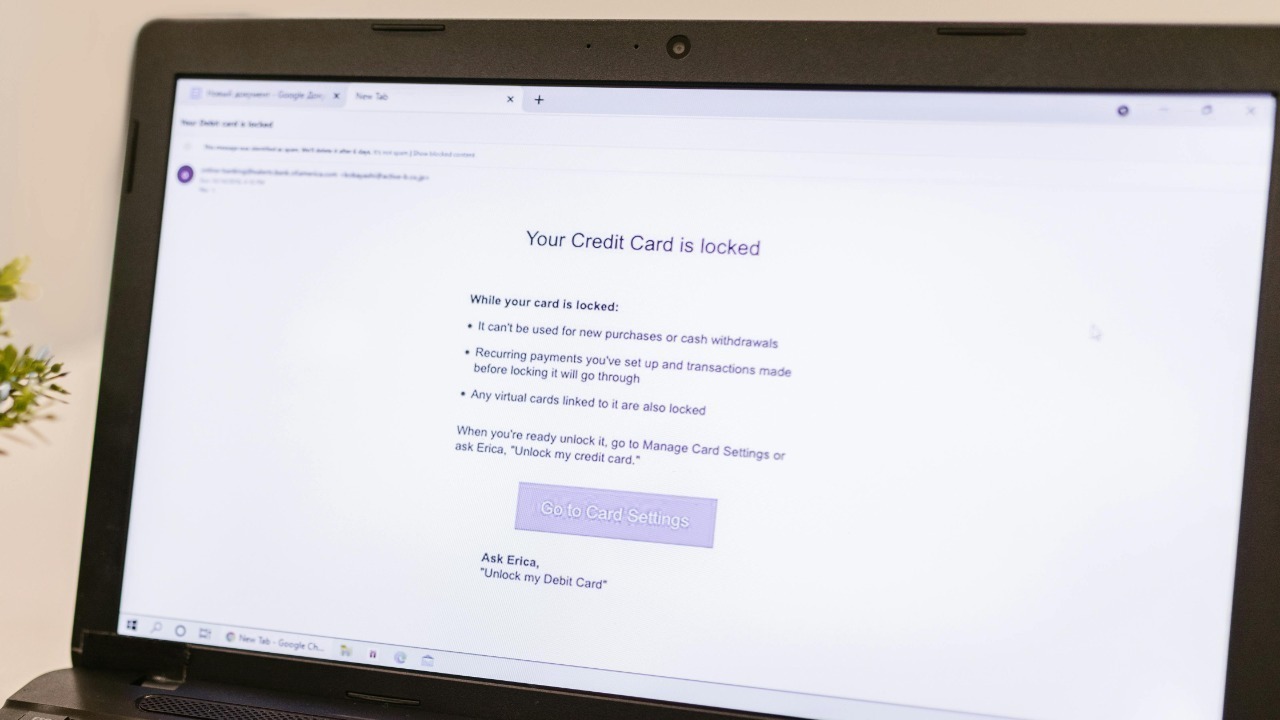
Some credit cards impose limits on cash back redemption amounts or have expiration policies that can hinder your access to rewards. For example, certain cards may only allow you to redeem rewards in $25 increments, or your earned cash back might expire after a year if not used. These restrictions can make it difficult to fully enjoy the benefits of your rewards.
To avoid these pitfalls, familiarize yourself with your card’s redemption policies and set a schedule for redeeming your rewards. Consider cards that offer flexible redemption options, such as those that allow for statement credits or direct bank deposits with no minimum threshold, ensuring you can access your earnings whenever needed.
Redemption Fees
Some credit cards charge fees for redeeming cash back, which can further dilute your rewards. These fees might apply when converting cash back into travel points or gift cards. To keep more of your cash back, opt for cards that offer fee-free redemption options. Cards like the Citi Double Cash or the Fidelity Rewards Visa Signature provide straightforward cash back redemption without additional costs.
Strategies for Maximizing Cash Back
Selecting the Right Card
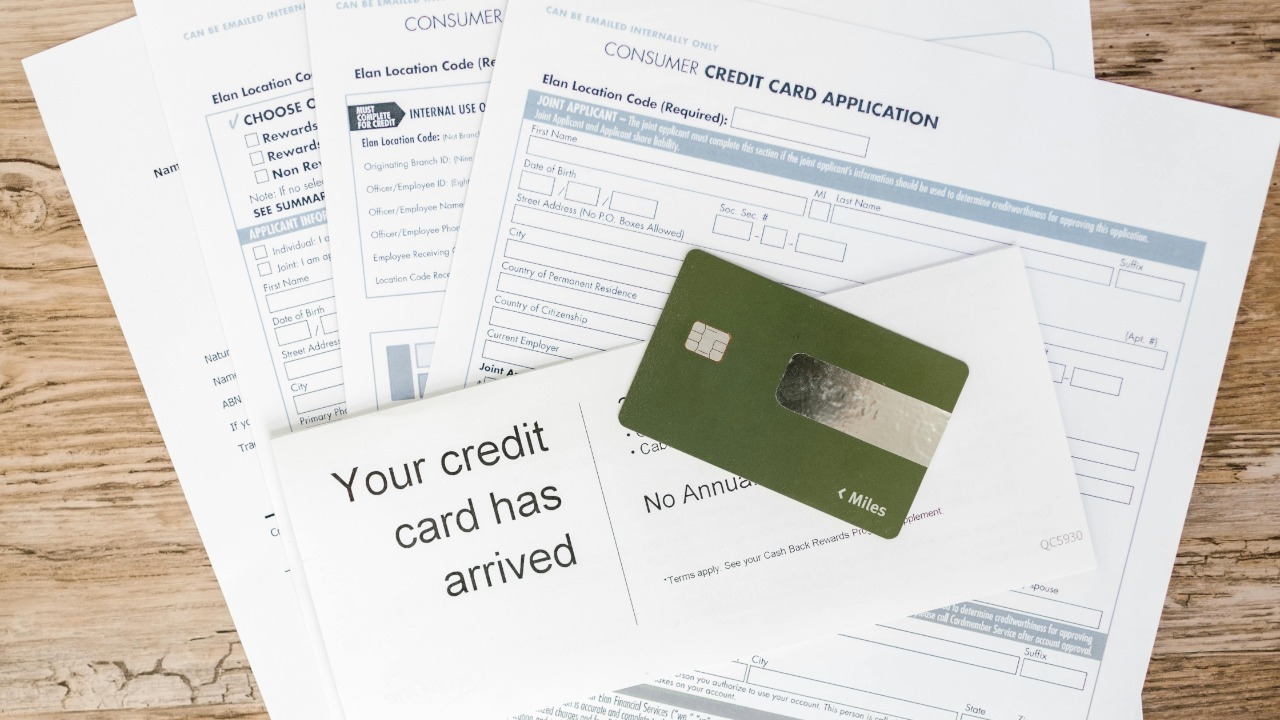
Choosing a credit card that aligns with your spending habits is key to enhancing your cash back earnings. For instance, if you spend a lot on groceries and gas, consider a card that offers higher rewards in those categories, like the Blue Cash Preferred Card from American Express. Periodically reviewing and adjusting your credit card portfolio can ensure you’re always using the most rewarding cards for your lifestyle.
Monitoring and Managing Fees
To ensure you’re maximizing cash back, it’s important to keep an eye on fees and rewards. Tools like Mint or Personal Capital can help track your spending, alerting you to potential fee charges and helping you manage your finances more efficiently. By staying informed and proactive, you can avoid common fee pitfalls and make the most of your cash back rewards.
Ultimately, by recognizing and addressing these hidden fees, consumers can significantly enhance their cash back rewards and make more informed decisions about their credit card use. With careful planning and strategic use of the right tools, you can ensure that your cash back earnings remain intact and truly beneficial.

Silas Redman writes about the structure of modern banking, financial regulations, and the rules that govern money movement. His work examines how institutions, policies, and compliance frameworks affect individuals and businesses alike. At The Daily Overview, Silas aims to help readers better understand the systems operating behind everyday financial decisions.

