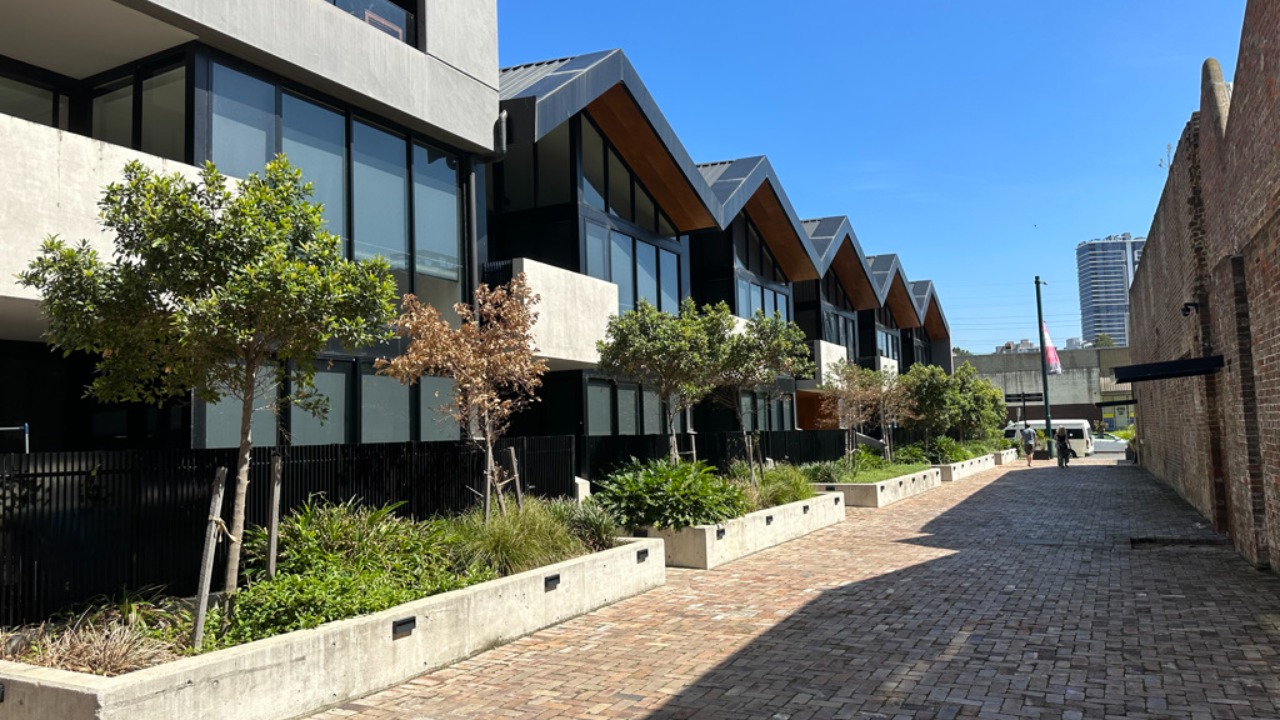
The luxury housing market, once deemed invincible, is now revealing significant vulnerabilities due to shifting economic pressures. According to exclusive reporting from The Wall Street Journal on October 1, 2025, key indicators such as slowing sales and rising inventory levels in premium markets are becoming apparent. Parallel coverage from Mint highlights a global decline in luxury home demand, potentially affecting investment and development.
Indicators of Market Slowdown
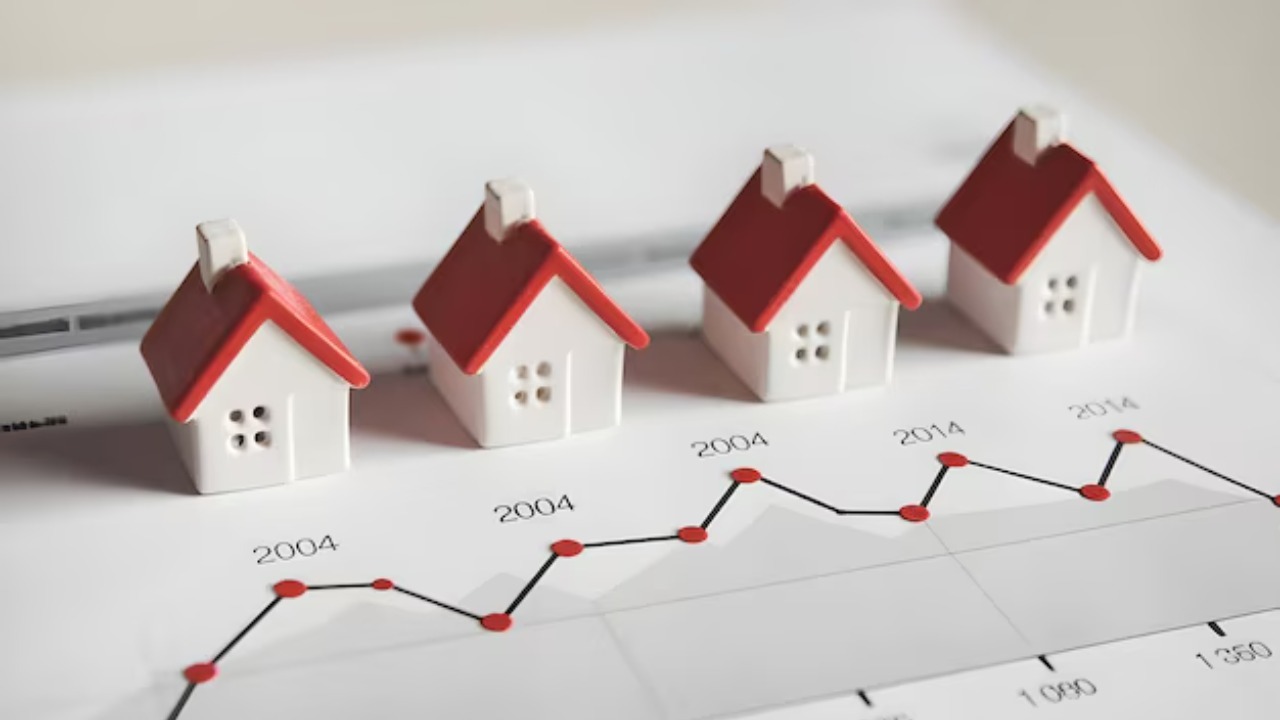
Specific metrics indicate a slowdown in the luxury housing market, with declining sales volumes in high-end segments. For instance, transactions for homes priced over $5 million in major cities like New York and London have seen significant percentage drops. This trend is corroborated by The Wall Street Journal, which reports a notable decrease in sales.
Additionally, rising inventory levels are evident, with unsold high-end properties lingering longer on the market. Estates valued at $10 million or more are accumulating in coastal enclaves, as noted by Mint. Buyer hesitation, driven by interest rate hikes, is further contributing to this trend, with ultra-wealthy purchasers delaying deals.
Another critical indicator of the market slowdown is the lengthening time properties remain on the market before selling. According to The Wall Street Journal, luxury homes are now taking an average of 180 days to sell, compared to just 90 days a year ago. This extended period is causing concern among sellers who are eager to close deals quickly. Additionally, the Mint report highlights that price reductions are becoming more common, with sellers lowering asking prices by up to 20% in some cases to stimulate buyer interest.
Moreover, the rental market for luxury properties is also experiencing a shift. High-end rentals, which once commanded premium prices, are now seeing a decrease in demand. This trend is particularly evident in urban centers where remote work has reduced the necessity for proximity to business districts. As a result, landlords are offering concessions such as reduced rent for the first few months or waiving certain fees to attract tenants, as noted by Mint.
Regional Impacts on Luxury Real Estate
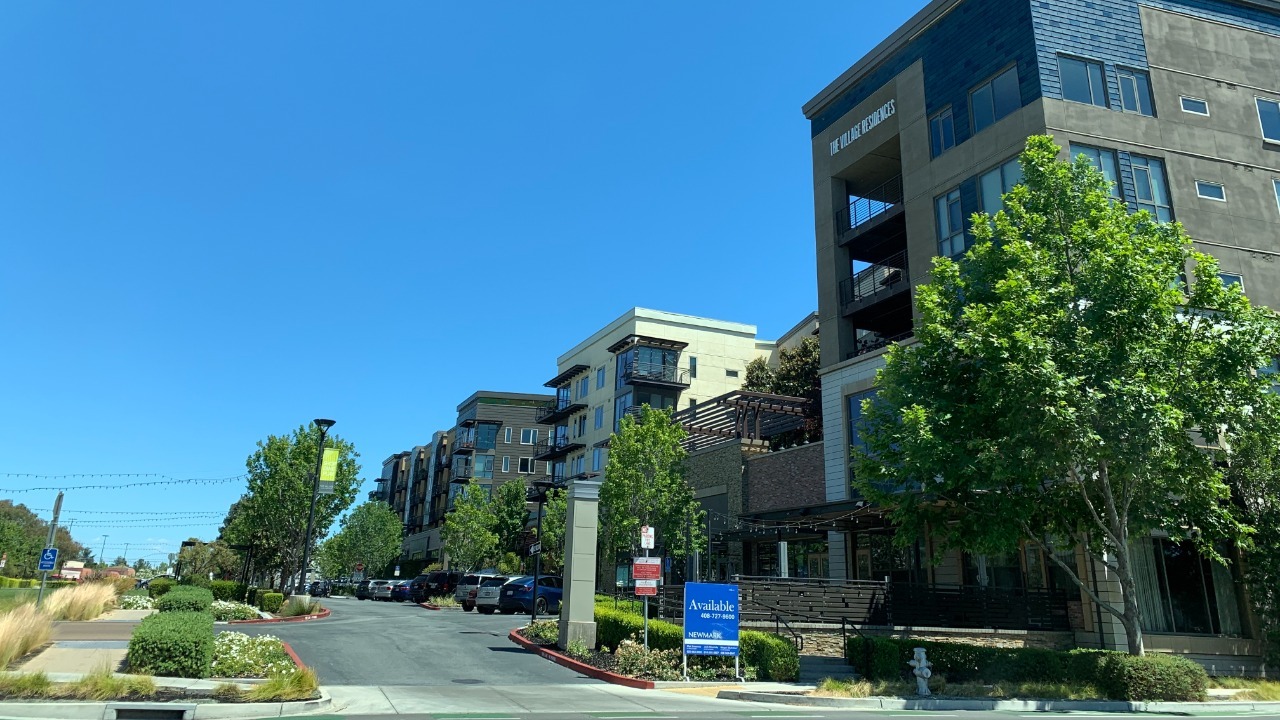
In the U.S., markets like Miami and Los Angeles are experiencing slowdowns, with luxury condo sales reportedly falling by double digits in recent quarters. This decline is detailed in the Wall Street Journal report. Internationally, European hotspots such as Monaco and Dubai are also seeing softening demand, with stalled mega-projects tied to luxury housing.
In the Asia-Pacific region, there is a noticeable reduction in investments from high-net-worth individuals in Singapore and Hong Kong properties. This trend, reported by The Wall Street Journal, highlights the broader regional impacts on luxury real estate.
In addition to the U.S. and Europe, the Middle East is also experiencing shifts in its luxury real estate market. Cities like Dubai, which have been heavily reliant on foreign investment, are witnessing a slowdown as geopolitical tensions and economic uncertainties deter international buyers. The Wall Street Journal notes that this has led to a reevaluation of ongoing projects, with some developers opting to scale back or delay new launches.
In Latin America, luxury markets in cities such as São Paulo and Buenos Aires are also feeling the impact. Economic instability and currency fluctuations are making it challenging for local buyers to invest in high-end properties. As reported by Mint, this has resulted in a growing inventory of unsold luxury homes, prompting developers to explore alternative markets and buyer demographics.
Economic Factors Driving the Shift

Inflation and borrowing costs are significant factors driving the shift in the luxury housing market. Mortgage rates for jumbo loans exceeding 7% are impacting luxury affordability, as detailed by Mint. This economic pressure is causing a pullback among investors, including hedge funds and family offices, which are reducing real estate allocations.
Regulatory changes, such as new taxes on foreign buyers in key markets like Canada and Australia, are also contributing to the market’s challenges. These changes are further explored in the Mint report, highlighting their impact on the luxury housing sector.
Beyond inflation and borrowing costs, global economic uncertainties are playing a significant role in the luxury housing market’s shift. The ongoing trade tensions and fluctuating stock markets are causing potential buyers to adopt a wait-and-see approach. According to The Wall Street Journal, this cautious sentiment is particularly pronounced among international investors who are wary of currency risks and potential asset devaluation.
Furthermore, the rise of alternative investment opportunities, such as digital assets and sustainable ventures, is diverting funds away from traditional real estate investments. As detailed by Mint, this shift in investment priorities is reshaping the landscape of luxury real estate, as investors seek higher returns and more diversified portfolios.
Implications for Developers and Sellers

Developers and sellers are facing pricing pressures, with luxury listings seeing average reductions of 10-15% in select markets to attract buyers. This trend is documented by The Wall Street Journal. In response, developers are adopting strategies such as offering incentives like private jet access for purchases over $20 million.
There are also forecasts of potential foreclosures or distressed sales in the luxury tier, with early warning signs emerging from October 2025 data. These developments underscore the challenges facing the luxury housing market as it navigates these economic shifts.
Developers are increasingly focusing on sustainability and technology to differentiate their offerings in a competitive market. As noted by The Wall Street Journal, incorporating smart home technologies and eco-friendly features is becoming a key selling point for new luxury developments. This trend reflects a growing demand among buyers for properties that align with their values and offer long-term cost savings.
Sellers, on the other hand, are exploring creative marketing strategies to reach potential buyers. Virtual tours and augmented reality experiences are being utilized to showcase properties to international clients who may not be able to visit in person. According to Mint, these technological innovations are proving effective in maintaining buyer interest and facilitating transactions in a challenging market environment.

Elias Broderick specializes in residential and commercial real estate, with a focus on market cycles, property fundamentals, and investment strategy. His writing translates complex housing and development trends into clear insights for both new and experienced investors. At The Daily Overview, Elias explores how real estate fits into long-term wealth planning.

