
Just as a rookie in sports can make critical errors due to lack of experience, first-time home sellers can also fall into common traps. These pitfalls can lead to lost profits, extended time on the market, or even legal issues. Here are twelve rookie errors that first-time sellers often make and how to avoid them.
1. Setting Unrealistic Price Expectations

One of the most common mistakes is setting an unrealistic price for your property. This can deter potential buyers and prolong the selling process. It’s crucial to conduct a thorough market analysis or hire a professional to help determine a fair and competitive price.
2. Neglecting Necessary Repairs and Maintenance

Ignoring necessary repairs and maintenance can be a costly mistake. Buyers are likely to request a home inspection, and any significant issues can lead to renegotiations that will lower what you’ll get back or even a cancelled sale.
3. Not Staging the Property for Showings

Staging your property can make a significant difference in how quickly it sells and for how much. A well-staged home can help potential buyers visualize living there, making it more appealing. Don’t make the mistake of showing an empty or cluttered home.
4. Failing to Thoroughly Clean the House for Viewings

First impressions matter. A clean, well-presented home can attract more buyers and potentially higher offers. Don’t let a dirty house be your selling downfall, where a small oversight leads to a significant setback.
5. Not Having High-Quality Photos for Online Listings

In today’s digital age, most homebuyers start their search online. High-quality photos are crucial for making your listing stand out. Poor-quality photos can make your property seem less appealing and may deter potential buyers from even visiting.
6. Lack of Effective Marketing Strategy

Marketing your property effectively is crucial to reaching potential buyers. This includes online listings, social media promotion, and traditional marketing methods. A lack of marketing strategy can leave your property unnoticed and unsold for longer than you’d like.
7. Ignoring the Importance of Curb Appeal

The exterior of your home is the first thing potential buyers see, and it can significantly impact their first impression. Ignoring the importance of curb appeal can be a costly mistake. Invest in landscaping, paint the front door, and ensure the exterior is clean and well-maintained.
8. Being Too Emotional During Negotiations

Selling a home can be an emotional process, but it’s important to remain objective during negotiations. Being too emotional can lead to poor decisions or strained relationships with potential buyers. Remember, it’s a business transaction first and foremost.
9. Not Fully Understanding the Contract Terms

Real estate contracts can be complex, and it’s essential to fully understand the terms before signing. Misunderstanding or overlooking contract terms can lead to legal issues down the line.
10. Failing to Disclose Known Issues to Buyers

Failing to disclose known issues to buyers can lead to legal trouble. It’s not only unethical but also against the law in many places. Be transparent and honest about any known issues to avoid potential lawsuits.
11. Not Preparing for Home Inspection
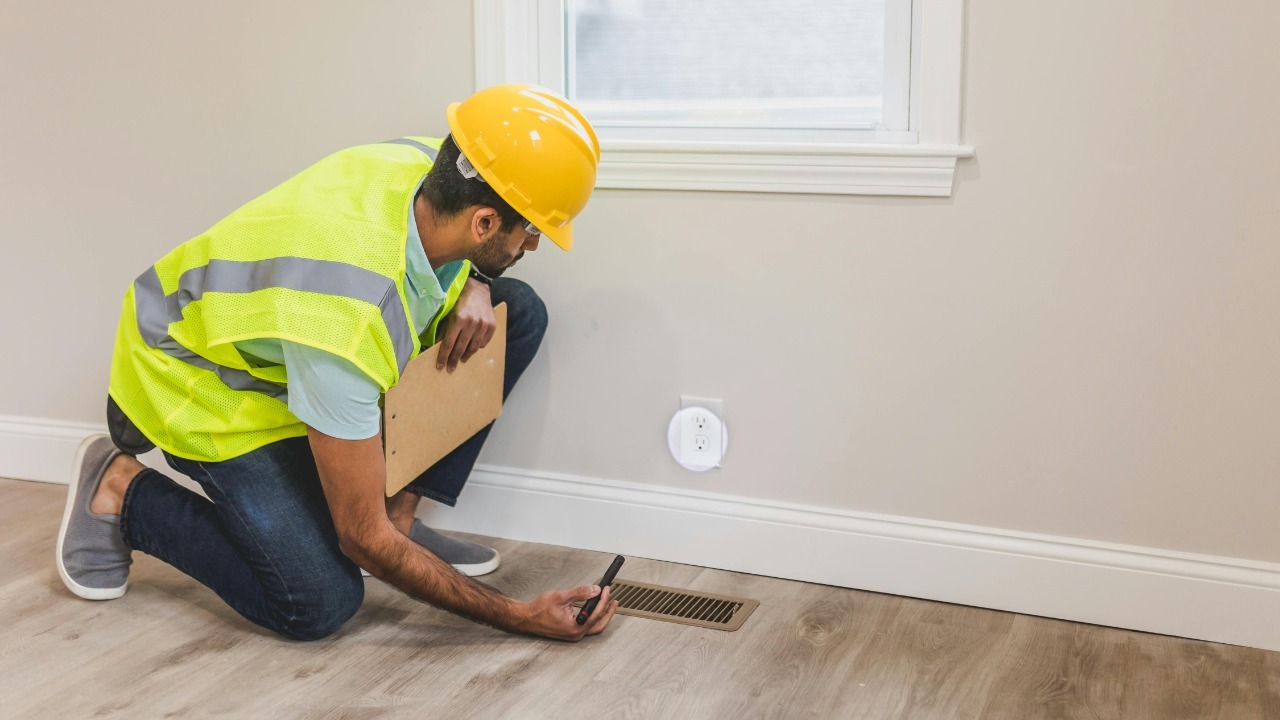
Most buyers will request a home inspection before closing the deal. Not preparing for this can lead to unexpected surprises and potential deal breakers. Ensure your home is in good condition and address any issues beforehand.
12. Trying to Sell Without a Real Estate Agent

While it’s possible to sell your home without a real estate agent, it can be a challenging process, especially for first-time sellers. An experienced agent can guide you through the process, help you avoid common pitfalls, and potentially get you a better deal.

Elias Broderick specializes in residential and commercial real estate, with a focus on market cycles, property fundamentals, and investment strategy. His writing translates complex housing and development trends into clear insights for both new and experienced investors. At The Daily Overview, Elias explores how real estate fits into long-term wealth planning.

