
As income increases, it’s easy to fall into the trap of lifestyle creep, where spending rises with earnings, leaving little room for savings. To prevent this, adopting simple yet effective strategies can help maintain financial balance and ensure long-term security. Here are nine practical ways to combat lifestyle creep and regain control over your finances.
1. Assess Your Financial Goals

Before making any financial decisions, it’s crucial to have a clear understanding of your long-term goals. Are you saving for a house, planning for retirement, or aiming to travel more? By identifying and prioritizing these goals, you can create a roadmap that guides your spending decisions. Regularly reviewing these goals can help you stay on track and avoid unnecessary expenses.
For example, if your primary goal is to retire early, consider exploring resources like the personal finance subreddit for inspiration and tips from others who share similar objectives. A clear vision of your financial future can provide the motivation needed to resist the temptation of lifestyle creep.
2. Create a Realistic Budget

Crafting a budget that reflects your current income and expenses is essential for maintaining financial stability. A realistic budget should allocate funds for essentials, savings, and discretionary spending. By keeping track of these categories, you can ensure that your spending aligns with your financial goals and limits unnecessary expenses.
Consider using budgeting apps like Mint or YNAB to simplify this process. These tools allow you to monitor your spending in real-time, making it easier to stick to your budget and avoid lifestyle creep. Remember to adjust your budget periodically to reflect any changes in your financial situation.
3. Automate Your Savings

One of the most effective ways to ensure that saving remains a priority is to automate the process. Set up automatic transfers from your checking account to a savings or investment account each month. This way, you pay yourself first, reducing the temptation to spend money that should be saved.
Many banks and financial institutions offer automated savings programs. By establishing a system that automatically saves a portion of your income, you can gradually build a financial cushion without having to think about it. This approach can help you stay committed to your savings goals over time.
4. Track Your Expenses Regularly

Monitoring your expenses is crucial for understanding where your money goes and identifying areas where you can cut back. By tracking your spending, you can pinpoint patterns and habits that contribute to lifestyle creep. Take advantage of expense-tracking apps or maintain a simple spreadsheet to record your daily expenditures.
Review your spending regularly to identify any unnecessary purchases or subscriptions. This practice can help you make informed decisions about your finances and prioritize spending that adds genuine value to your life.
5. Prioritize Needs Over Wants

Distinguishing between needs and wants is essential when trying to curb lifestyle creep. Needs are essential items like housing, food, and healthcare, while wants are non-essential items that can be postponed or eliminated.
By focusing on your needs first, you can ensure that your basic requirements are met before indulging in discretionary spending. This approach can help you maintain a balanced lifestyle and prevent overspending on non-essentials.
6. Implement the 24-Hour Rule

The 24-hour rule is a simple yet effective strategy for controlling impulse purchases. When you feel the urge to buy something non-essential, wait 24 hours before making the purchase. This cooling-off period allows you to assess whether the item is truly necessary or merely an impulse.
Practicing this rule can help you develop more mindful spending habits. Over time, you’ll become more aware of your purchasing triggers and learn to make more intentional financial decisions.
7. Limit Subscription Services
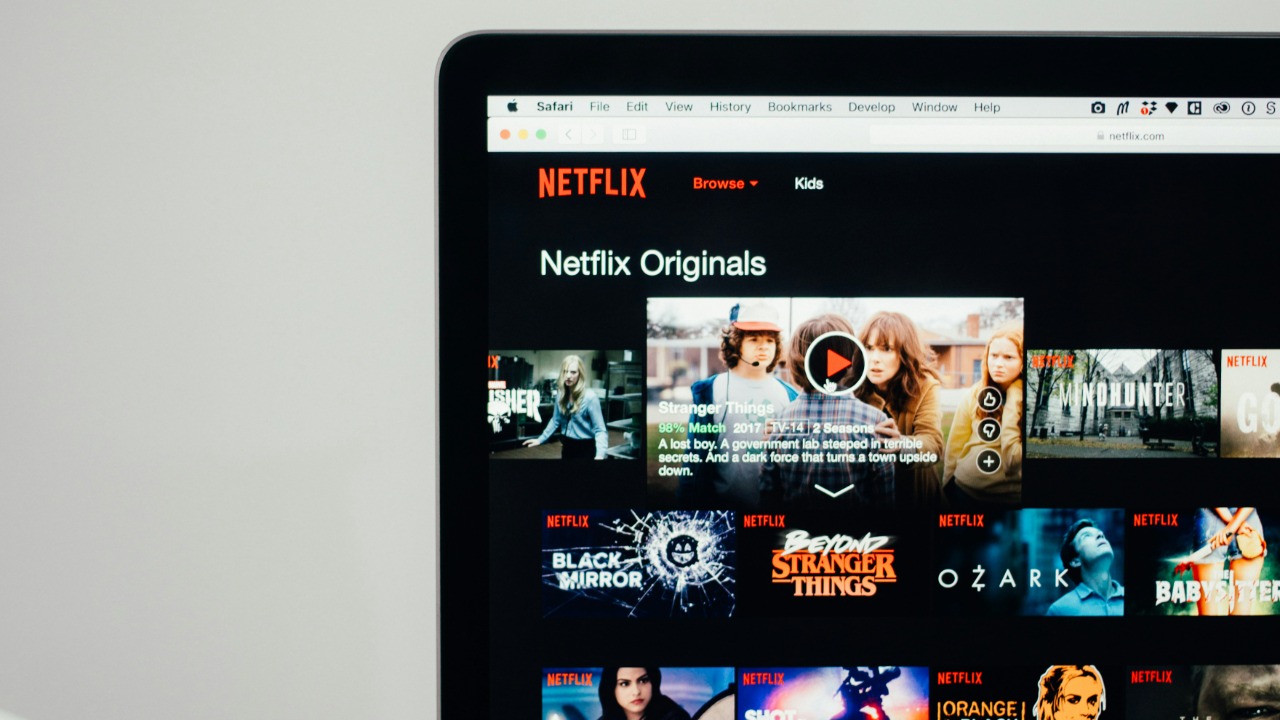
Subscription services can quickly add up and contribute to lifestyle creep. Review your current subscriptions and evaluate which ones are genuinely valuable to you. Cancel any that you rarely use or could live without.
Services like Netflix, Spotify, or meal delivery kits can be convenient, but it’s essential to assess their impact on your budget. By reducing the number of subscriptions, you can free up funds for more meaningful financial goals.
8. Practice Mindful Spending

Mindful spending involves being intentional and deliberate about how you use your money. Before making a purchase, consider whether it aligns with your values and financial goals. This approach can help you prioritize spending that brings genuine satisfaction and fulfillment.
For more insights on adopting a mindful financial mindset, consider exploring resources like this book on financial mindfulness. By practicing mindful spending, you can cultivate a healthier relationship with money and reduce the influence of lifestyle creep.
9. Regularly Review and Adjust Your Plan

Your financial situation and goals may change over time, making it essential to review and adjust your plan regularly. Schedule periodic check-ins to assess your progress and make any necessary changes to your budget or savings strategy.
Consider consulting financial planning resources like this financial diary to gain insights from others who have successfully managed lifestyle creep. By staying flexible and adaptable, you can ensure that your financial plan remains relevant and effective in achieving your goals.

Cole Whitaker focuses on the fundamentals of money management, helping readers make smarter decisions around income, spending, saving, and long-term financial stability. His writing emphasizes clarity, discipline, and practical systems that work in real life. At The Daily Overview, Cole breaks down personal finance topics into straightforward guidance readers can apply immediately.

