
As SUVs continue to dominate the automotive market, many buyers are drawn to their versatile features and robust appeal. However, not every feature lives up to the initial excitement, leading to regret down the line. Many SUV owners find themselves wishing they had reconsidered certain features a year after purchase, as the reality of ownership sets in.
Infotainment System Complexities
Overwhelming Technological Interfaces
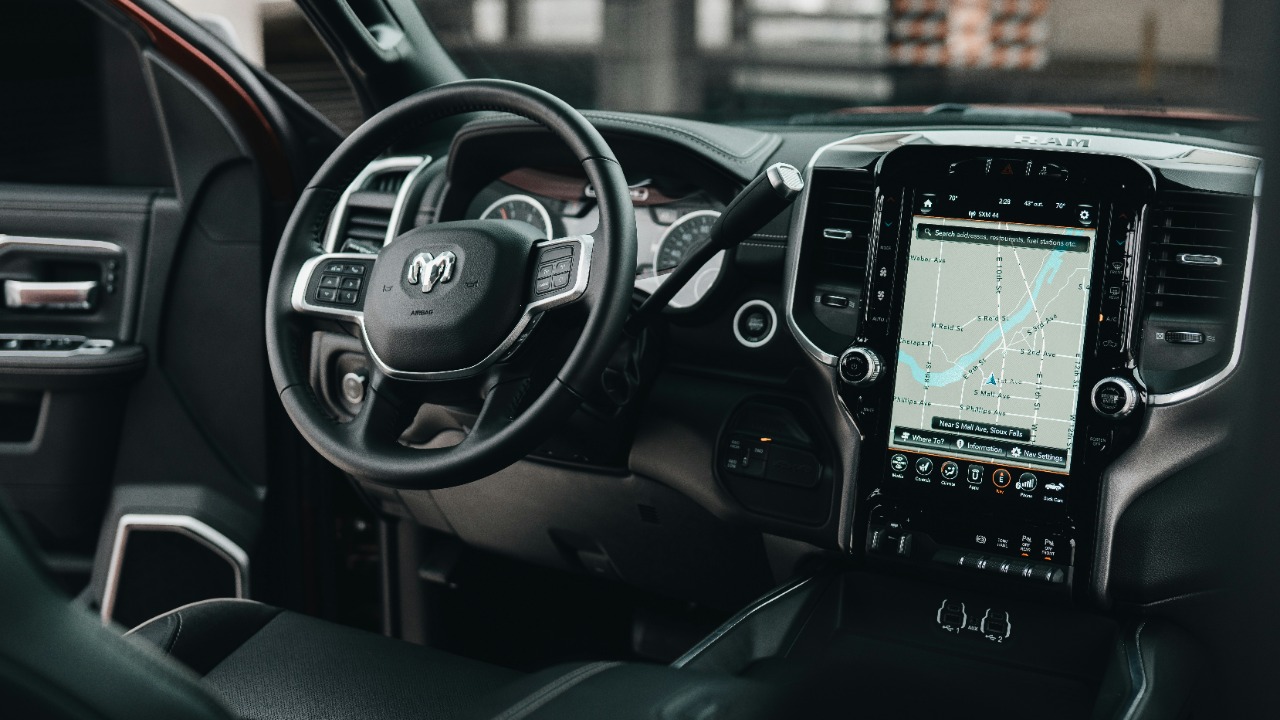
Many SUVs today come equipped with advanced infotainment systems that promise to enhance the driving experience. However, these systems can often be overly complicated, leaving drivers frustrated. The sheer number of features and options can be overwhelming, leading to a steep learning curve. This complexity can create a disconnect between the owner and the vehicle, as drivers struggle to master the system’s intricacies.
For instance, the 2025 Toyota RAV4 Limited, as discussed in a recent review, highlights how certain aesthetic choices, like all-chrome wheels, can lead to regret. Similarly, the infotainment system’s complexity can overshadow the initial excitement of new features.
Software Glitches and Updates
Another common issue with these high-tech systems is the need for regular software updates. While updates are intended to improve functionality, they can sometimes exacerbate existing problems. Owners often report increased downtime and additional service visits due to malfunctioning infotainment systems. The inconvenience of dealing with software glitches can quickly turn excitement into frustration.
Moreover, the reliance on technology means that any malfunction can significantly impact the driving experience. As these systems become more integrated into the vehicle’s operation, the potential for issues increases, leaving owners questioning the reliability of their once-coveted features.
Fuel Efficiency Concerns
Misleading MPG Expectations
Fuel efficiency is a significant consideration for many SUV buyers, but the reality often falls short of expectations. Advertised miles per gallon (MPG) figures can be misleading, with real-world performance frequently disappointing owners. This discrepancy becomes apparent as fuel costs accumulate, leading to financial strain and dissatisfaction.
The disparity between city and highway mileage further complicates matters. Many owners find that their SUVs perform well on highways but fall short in urban settings, where stop-and-go traffic is common. This inconsistency can be frustrating for those who rely on their vehicles for daily commutes.
Impact of Engine Type and Size
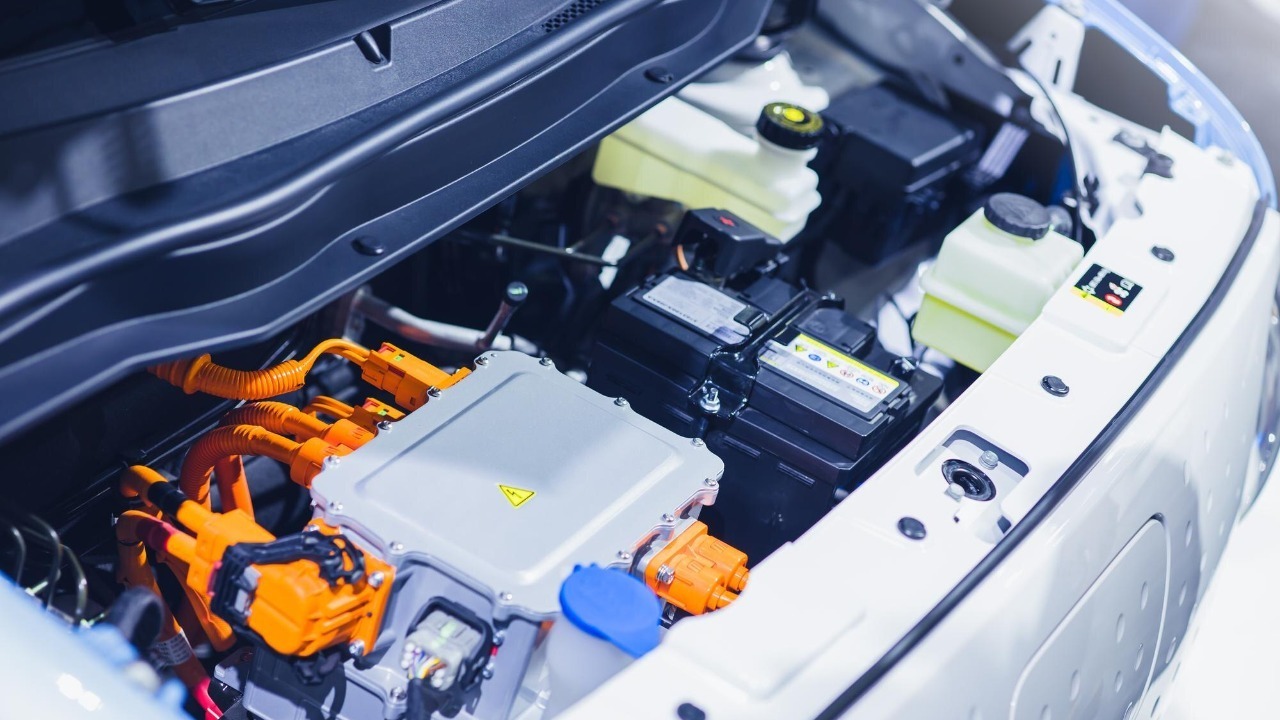
The type and size of an SUV’s engine also play a crucial role in fuel efficiency. Larger engines, while offering more power, tend to consume more fuel, contradicting the eco-friendly aspirations of many buyers. Hybrid and electric models present their own challenges, including limited range and charging infrastructure, as highlighted in a study of new EV buyers.
For those who opt for hybrid or electric SUVs, the lack of charging stations and the limited range can be significant drawbacks. These issues can overshadow the environmental benefits, leaving owners questioning their decision to go green.
Depreciation Rates
Rapid Value Decline
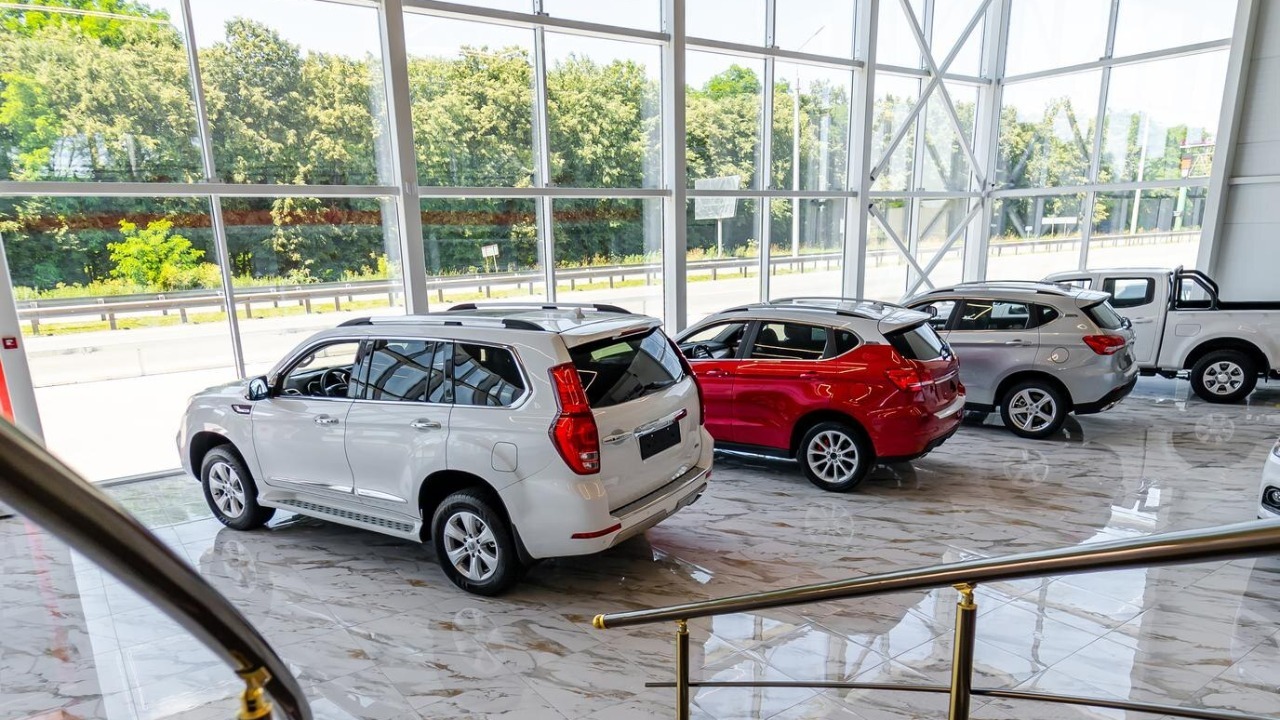
Depreciation is a reality for all vehicles, but some SUVs experience a particularly rapid decline in value. Within the first year, owners may find their vehicle worth significantly less than expected. High initial purchase prices exacerbate the impact of swift depreciation, causing financial regret.
For example, the Honda Pilot is known to depreciate considerably over five years, a trend that can start as early as the first year. This rapid depreciation can leave owners feeling trapped with a vehicle that no longer meets their financial expectations.
Market Perception and Resale Challenges
Market perception plays a crucial role in resale value. Certain brands and models are perceived less favorably in the used market, complicating resale efforts. Owners often find themselves stuck with a vehicle that’s difficult to sell or trade in at a reasonable value.
German SUVs, for instance, are known to depreciate significantly, as noted in a report on depreciation rates. This perception can make it challenging for owners to recoup their investment, leading to long-term financial implications.
Size and Maneuverability Issues
Parking and Urban Navigation
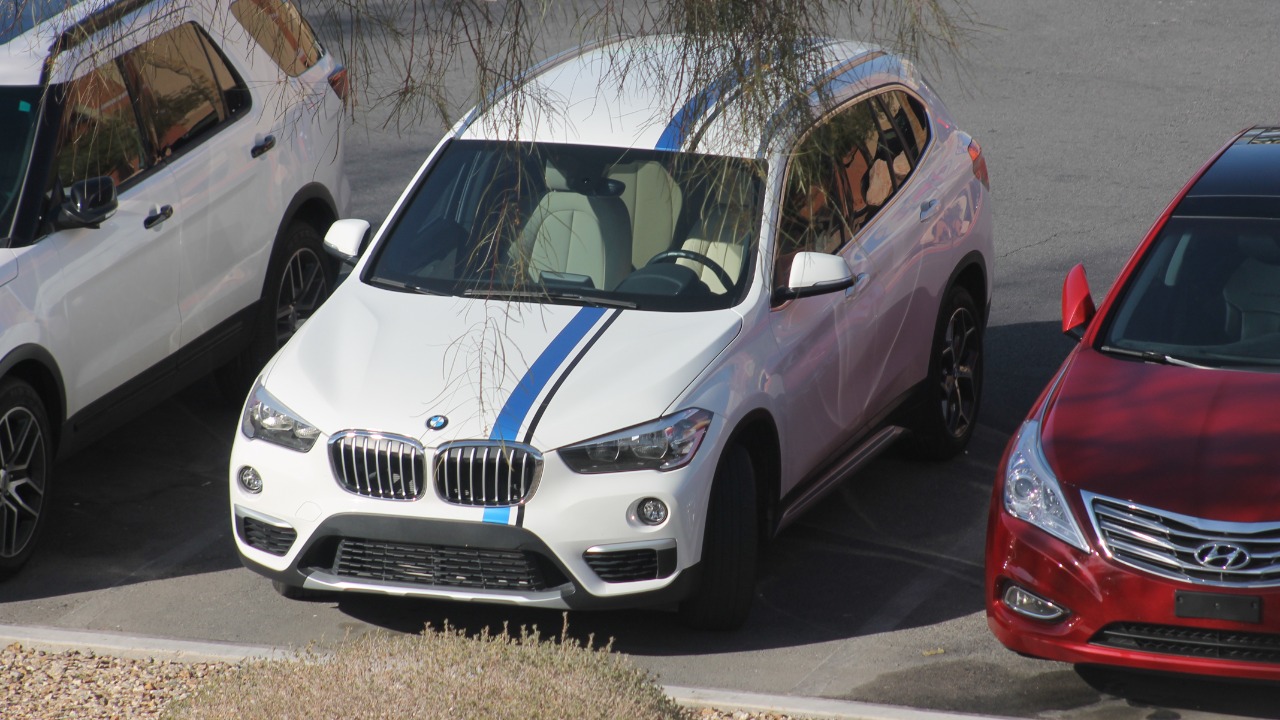
The large size of many SUVs, while offering interior space and comfort, can pose challenges in urban environments. Parking in tight spaces and navigating narrow streets can be a persistent struggle for owners. This issue is particularly pronounced in cities, where compact parking lots and congested streets are common.
Owners often find themselves frustrated by the limitations of their vehicle’s size, which can overshadow the benefits of spacious interiors and elevated driving positions. The challenges of urban navigation can lead to a reevaluation of the decision to purchase a large SUV.
Off-road Promises vs. Reality
Many SUVs are marketed for their off-road capabilities, but not all deliver on this promise. Without proper equipment, such as all-terrain tires and advanced suspension systems, many SUVs fall short in off-road conditions. Owners may find themselves with a vehicle that’s less versatile than anticipated for outdoor adventures.
This gap between marketing promises and real-world performance can lead to disappointment, especially for those who purchased their SUV with the intention of exploring rugged terrains. The reality of limited off-road capabilities can diminish the appeal of these vehicles for adventure enthusiasts.
Advanced Driver-Assistance Systems (ADAS)
Reliability and Trust Issues
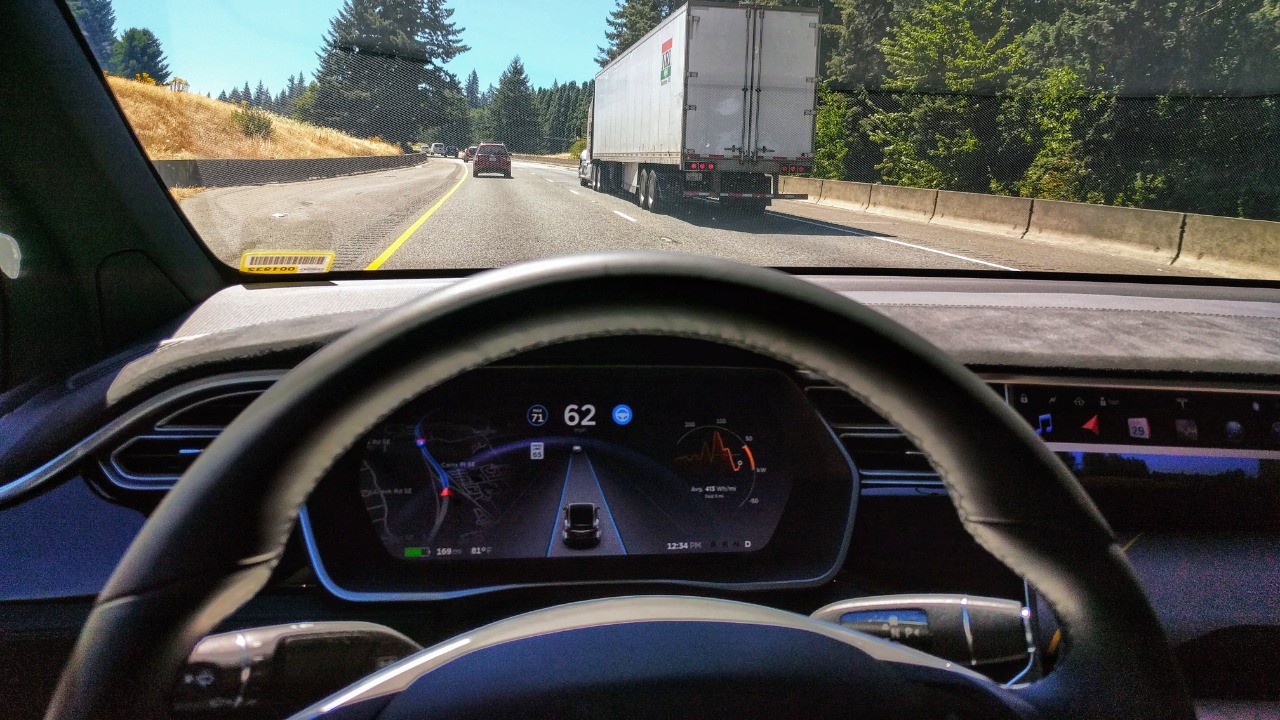
Advanced driver-assistance systems (ADAS) are designed to enhance safety, but their reliability can be inconsistent. Features like lane-keeping assist and adaptive cruise control may not always perform as expected, leading to trust issues among owners. This inconsistency can undermine the perceived safety benefits of these systems.
A recent incident involving a Tesla’s self-driving feature highlights the potential for these systems to prevent accidents. However, the reliance on technology can also create unease, as drivers question the reliability of these features in critical situations.
Over-dependence and Complacency
There is also a risk of over-reliance on ADAS, which can lead to complacency in driving habits. The perceived safety net provided by these systems may encourage drivers to engage in distracted driving, counteracting the intended safety benefits. This over-dependence can diminish the driver’s engagement and awareness on the road.
As these systems become more prevalent, it’s crucial for drivers to maintain an active role in vehicle operation. Balancing the benefits of technology with responsible driving practices is essential to maximizing safety and minimizing regret.

Cole Whitaker focuses on the fundamentals of money management, helping readers make smarter decisions around income, spending, saving, and long-term financial stability. His writing emphasizes clarity, discipline, and practical systems that work in real life. At The Daily Overview, Cole breaks down personal finance topics into straightforward guidance readers can apply immediately.

