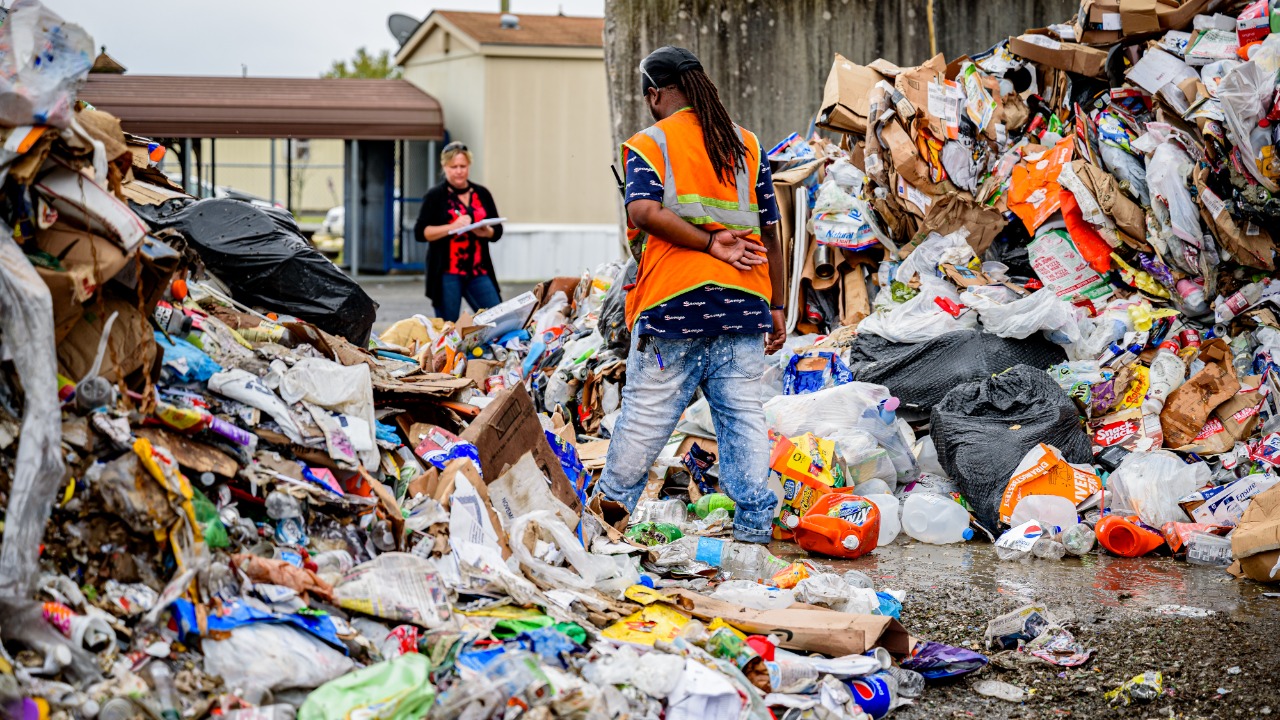
The concept of turning waste into wealth remains a largely untapped potential in today’s economy. While recycling and waste management are often discussed, a complex and lucrative pipeline exists that transforms trash into cash. This article delves into the intricacies of this pipeline, exploring why it remains under the radar and its potential impacts on the global economy.
The Hidden Value in Waste
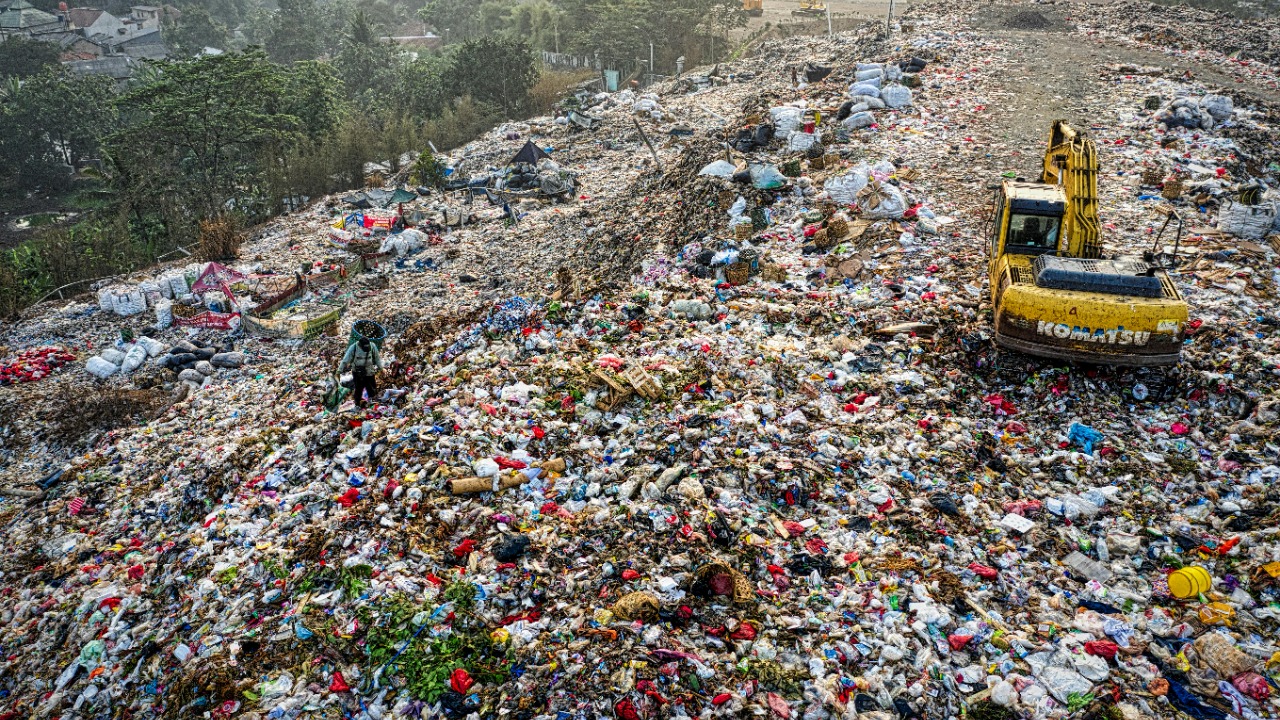
Waste is often perceived as a problem to be disposed of rather than an economic opportunity. Yet, the economic potential of waste is enormous. For instance, the recycling industry in the United States alone was valued at over $110 billion in 2020, according to the Institute of Scrap Recycling Industries (ISRI). Waste materials, when properly sorted and processed, can become valuable commodities. Aluminum, paper, and plastics, for example, can be recycled into new products, reducing the need for virgin materials and saving energy.
Technology plays a crucial role in transforming trash. With advancements in sorting and processing technologies, like AI-powered sorting robots and advanced chemical recycling methods, the waste-to-cash pipeline has been revolutionized. These technologies enable more efficient separation of materials, increasing the amount of waste that can be recycled and monetized. In countries like Sweden, where less than 1% of household waste ends up in landfills, such innovations have been integral to their success.
Success stories from around the world highlight how regions have successfully monetized their waste streams. In Japan, for instance, the city of Kamikatsu has achieved a recycling rate of over 80% by implementing a rigorous sorting system. Meanwhile, in Brazil, the city of Curitiba has employed an innovative waste exchange program, where residents can trade recyclable materials for food or bus tickets, creating a circular economy that benefits the community.
The Role of Informal Waste Workers

In many developing countries, informal waste pickers play a critical role in the trash-to-cash pipeline. These workers often operate outside formal systems, collecting, sorting, and selling recyclable materials to earn a living. Despite their contribution, they face numerous challenges, including lack of recognition, inadequate access to resources, and unsafe working conditions.
Integrating informal waste workers into formal waste management systems can enhance efficiency and profitability. This integration can be achieved through initiatives such as waste picker cooperatives, which provide workers with better access to markets and improved working conditions. For example, in Colombia, the city of Bogotá has incorporated waste pickers into its formal recycling program, resulting in increased recycling rates and improved livelihoods for thousands of workers.
However, informal waste workers face several socio-economic and regulatory hurdles. Many lack legal protection and face discrimination, making it difficult for them to access necessary resources and support. Additionally, government policies often overlook the informal sector, focusing instead on formal companies, which can hinder the development of a more inclusive and effective waste management system.
Barriers to Scaling the Pipeline
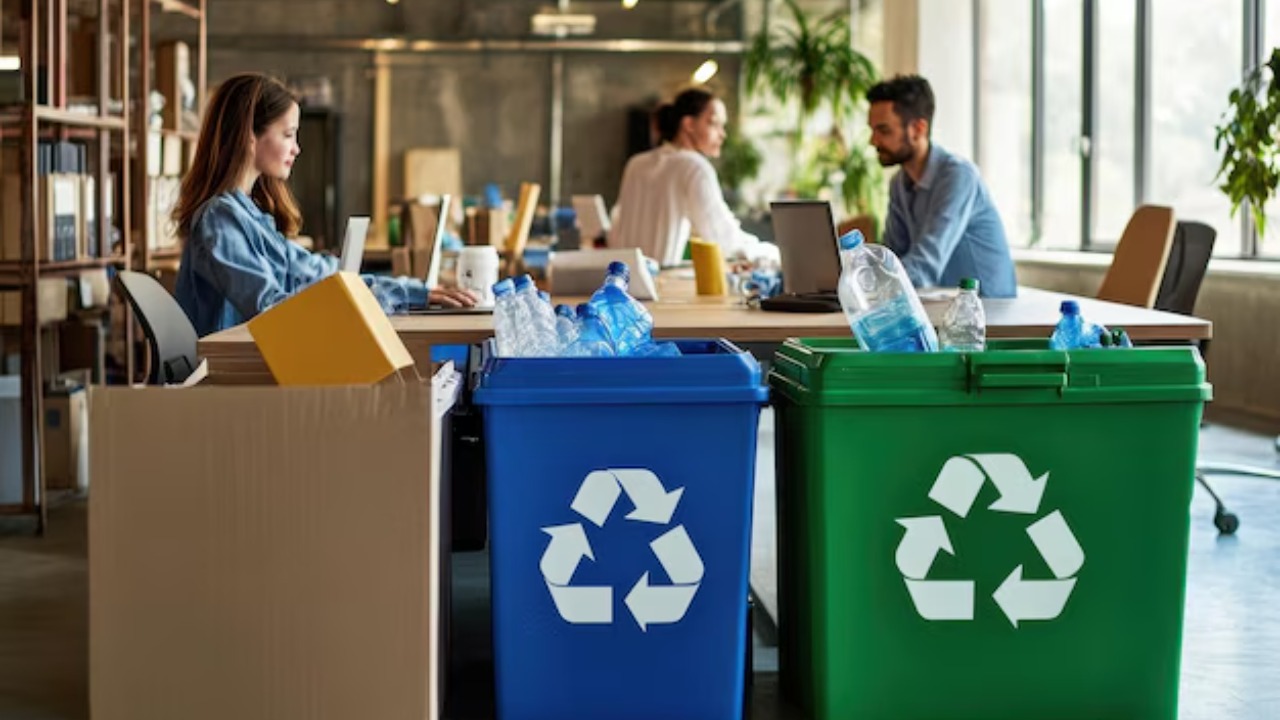
The expansion of the trash-to-cash pipeline faces numerous barriers, including regulatory and policy challenges. Governments around the world often have stringent regulations that can stifle innovation and investment in the waste management sector. Policies that are outdated or overly complex can create obstacles for businesses and discourage new entrants into the market. To facilitate growth, governments need to adopt more flexible and supportive regulatory frameworks that encourage innovation and investment.
Public perception and awareness also pose significant challenges. Many people still view waste management as a dirty and unappealing industry, which can hinder investment and innovation. Changing these perceptions requires concerted efforts to educate the public about the economic and environmental benefits of waste management, as well as the opportunities it presents.
Infrastructure and investment needs are another major barrier to scaling the pipeline. Developing the necessary infrastructure to support advanced waste processing technologies requires significant financial investments. This includes building sorting facilities, upgrading existing infrastructure, and investing in new technologies. Securing funding for such projects can be difficult, especially in regions with limited financial resources.
Environmental and Social Implications
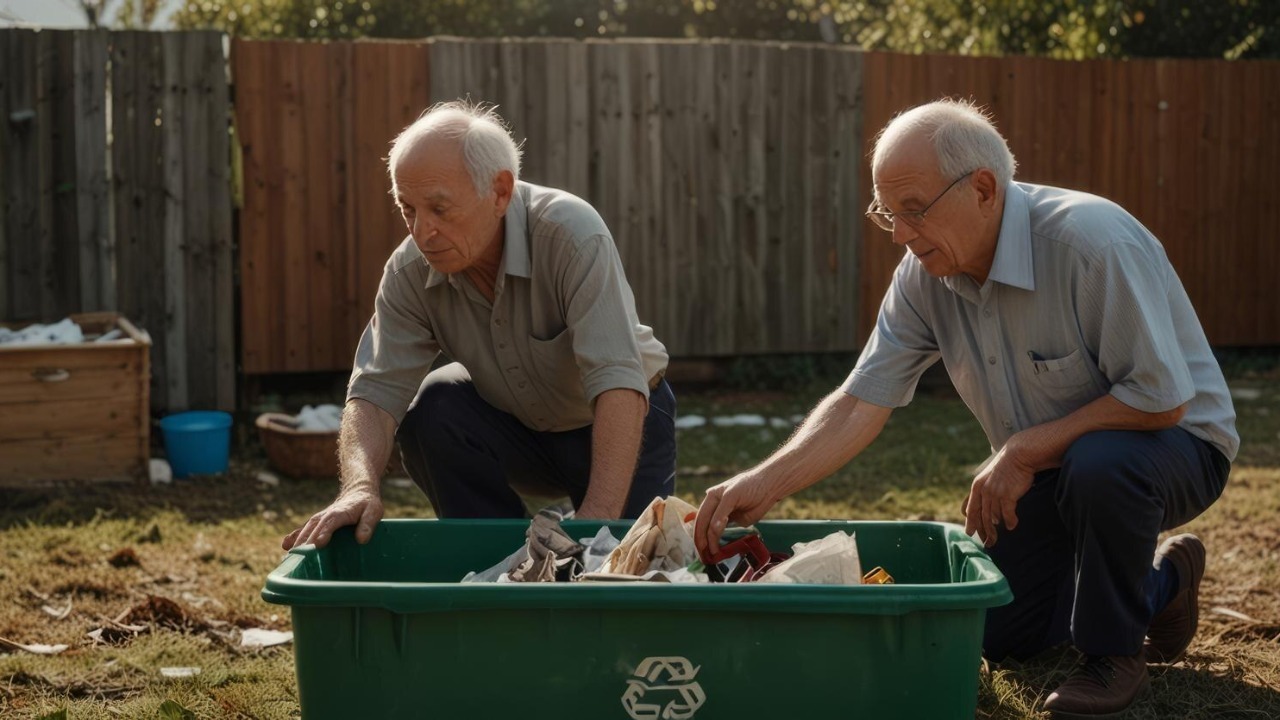
The trash-to-cash pipeline offers significant environmental benefits by reducing landfill use and greenhouse gas emissions. By diverting waste from landfills and turning it into valuable resources, the pipeline helps to minimize the environmental impact of waste disposal. This is particularly important in regions where landfill space is limited and environmental regulations are strict.
Social benefits and community empowerment are also key outcomes of the pipeline. By creating new economic opportunities, the trash-to-cash pipeline can contribute to job creation and improved living conditions. For instance, waste-to-energy projects not only reduce the volume of waste but also generate electricity, providing a sustainable energy source for local communities. These projects can also result in cleaner cities and improved public health outcomes.
Balancing economic and environmental priorities is essential in the monetization of waste. While the potential for economic gain is significant, it is crucial to ensure that waste management practices are sustainable and environmentally friendly. This requires collaboration between governments, businesses, and communities to develop strategies that prioritize sustainability while maximizing economic benefits.
Future Prospects and Innovations
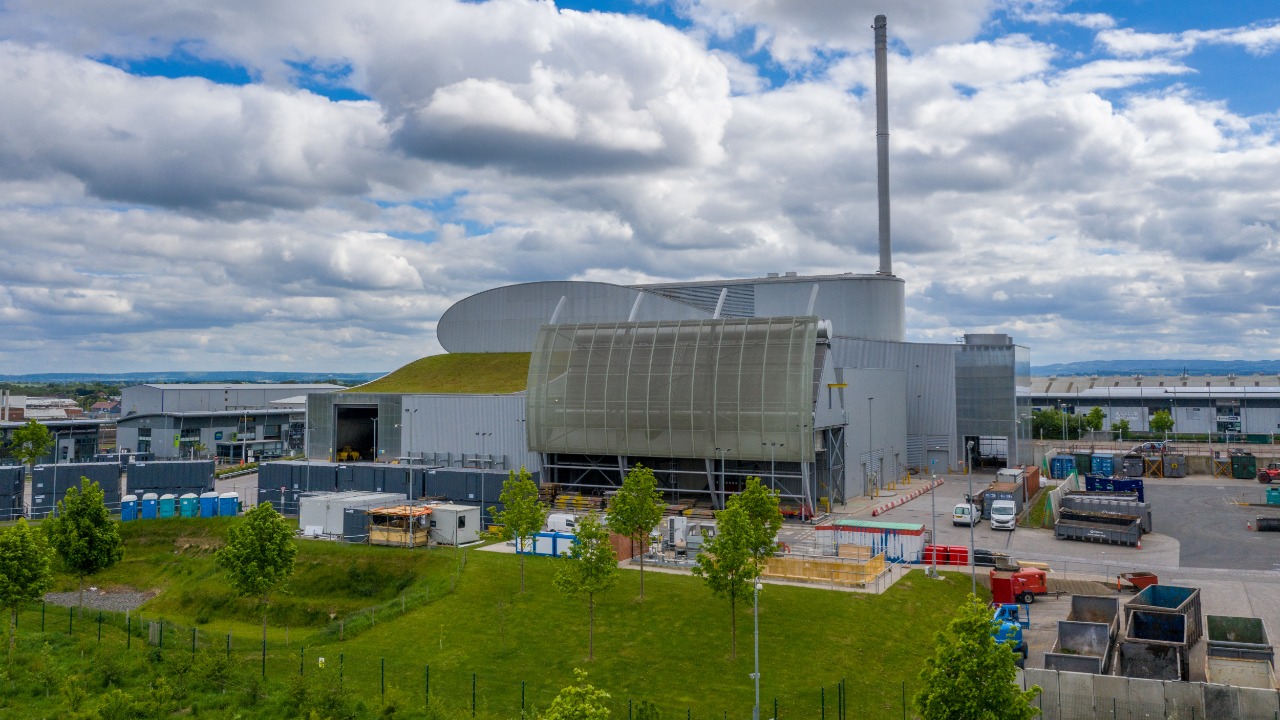
The future of the trash-to-cash pipeline is promising, with emerging technologies and trends shaping the industry. Innovations such as advanced recycling techniques and waste-to-energy solutions are paving the way for more efficient and effective waste management practices. These advancements have the potential to transform the industry, making it more profitable and sustainable.
The global impact of the trash-to-cash pipeline could be substantial, influencing global trade and economic stability. As more countries adopt waste monetization strategies, international trade in recyclable materials is likely to increase, creating new economic opportunities and strengthening global supply chains. This shift could also lead to greater economic stability by reducing reliance on virgin materials and promoting resource efficiency.
International cooperation is crucial in addressing common challenges and scaling successful models. By sharing knowledge, resources, and best practices, countries can work together to overcome barriers and accelerate the development of the trash-to-cash pipeline. Global partnerships can also help to standardize regulations and promote sustainable waste management practices, ensuring that the benefits of the pipeline are realized worldwide.

Cole Whitaker focuses on the fundamentals of money management, helping readers make smarter decisions around income, spending, saving, and long-term financial stability. His writing emphasizes clarity, discipline, and practical systems that work in real life. At The Daily Overview, Cole breaks down personal finance topics into straightforward guidance readers can apply immediately.

