The dollar’s slide has been swift and politically charged. Over the past year, the U.S. currency has dropped about 10% against a basket of major peers, and President Trump is publicly cheering the move as “great” for America. I see a more complicated picture, one where exporters may celebrate but households face higher prices, thinner travel budgets, and new risks in their retirement accounts.
The greenback’s fall is not an abstract market story, it is a direct hit to the real value of your paycheck and savings. A weaker currency can help some parts of the economy, but it rarely feels “great” when you are buying groceries, booking a flight, or trying to keep up with rising costs on an already tight budget.
What a 10% dollar drop actually means
A 10% decline in the U.S. dollar means that, on average, every dollar you earn now buys less abroad and, over time, less at home. Against a basket of major currencies, the Dollar Index, often referred to as DXY, has fallen sharply from its recent highs, even as the ICE U.S. Dollar Index still shows an Exchange open of 96.165, a Day high of 96.76, a Day low of 96.32, a Prev close of 96.283, a 52 week high of 109.88 and a 52 week low that underscores how far the currency has already come down. That 10% slide over the past year is not just a market statistic, it is a signal that global investors are reassessing the strength and stability of the United States economy and policy mix.
Over the same 12‑month stretch, consumer prices in the U.S. rose 2.7%, a figure that might sound modest but still erodes purchasing power when layered on top of a weaker currency. The continued fall of the U.S. dollar, combined with that 2.7% rise in prices, means households are squeezed from both sides: imported goods cost more in dollar terms and everyday items at home are not getting cheaper either.
Why President Trump says a weaker dollar is “great”
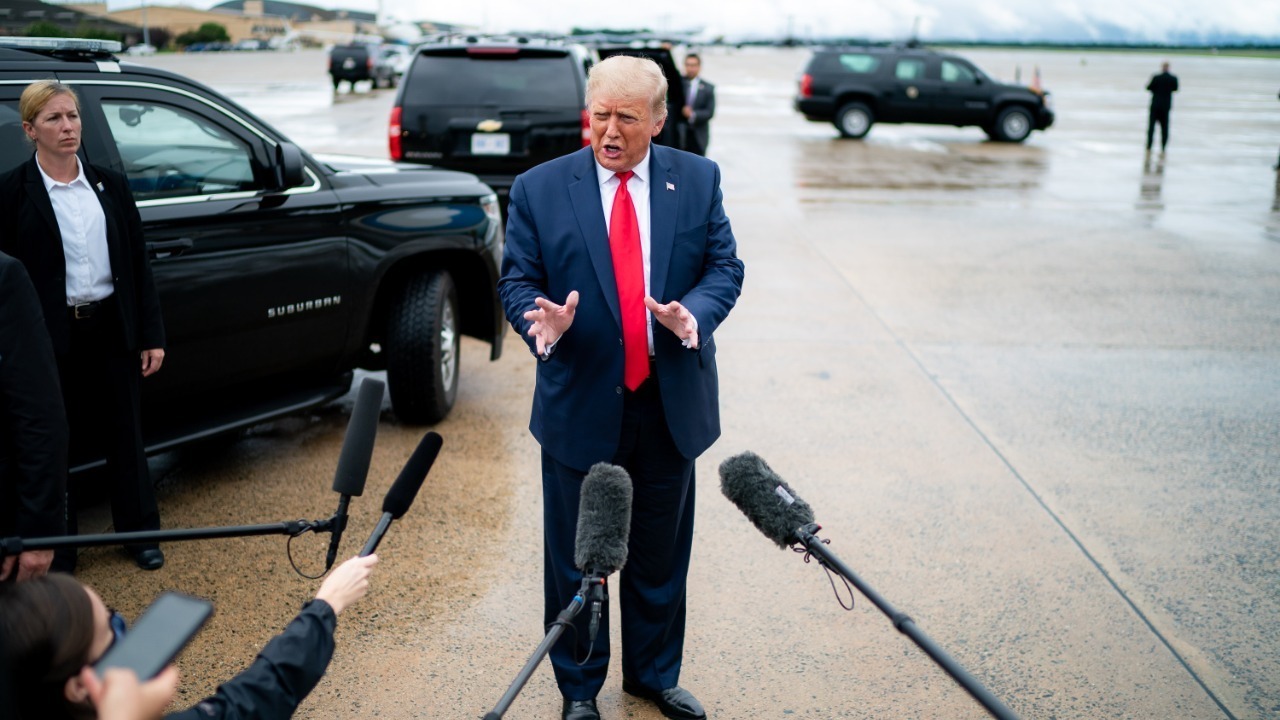
President Trump has been unusually blunt about his preference for a softer currency. In public remarks, he has argued that a weaker dollar makes American products cheaper overseas and therefore “great” for U.S. factories and farmers. Earlier this week, President Trump again welcomed the dollar’s slide, framing it as a competitive edge that makes U.S. exports more attractive to foreign buyers.
His stance is not new. In a separate episode, he brushed aside concerns about currency weakness and, during an appearance in Iowa on Jan. 27, he was pressed on whether the dollar had fallen too far. According to reporting on that Iowa event, Trump made clear he sees a softer dollar as a tool to boost growth, even as international institutions like the International Monetary Fund warn about the risks of competitive devaluations.
The policy and market forces pushing the dollar down
The dollar’s decline is not happening in a vacuum, it reflects a mix of policy choices, investor anxiety, and global shifts. Analysts point to concerns about the United States economic policies, including large fiscal deficits and an unpredictable trade stance, as key reasons the currency has fallen so sharply. As one detailed analysis put it, There are several reasons the dollar is down, from investor fears about the United States policy direction to an ongoing feud with the Federal Reserve that has unsettled markets.
Market data show how that anxiety translates into prices. The DXY exchange rate rose to 96.5628 on January 30, up 0.29% from the previous session, but that small bounce comes after a broader slide that has left the currency significantly weaker over the month. Over the past month, The DXY has reflected a dollar that fell about 2% in January, a move linked to political uncertainty and a trade agreement that still requires Senate approval, keeping investors on edge.
How a weaker dollar hits your wallet
For consumers, the most immediate impact of a weaker dollar is higher prices on anything that relies on imports. When the U.S. dollar weakens, it makes imported goods more expensive, which means everything from smartphones to prescription drugs can creep up in cost. One detailed breakdown of How a Weak Dollar Affects Inflation and Consumers explains that when the U.S. economy is heavily dependent on imports, a softer currency feeds directly into higher inflation and squeezes household budgets.
The pain shows up in travel and online shopping too. If you are planning a trip to Europe, the exchange rate now means your dollar buys fewer euros, with 1 USD converting to just 0.836226 EUR according to a recent Convert US Dollar snapshot. That 0.836226 rate makes hotel rooms, restaurant meals, and museum tickets more expensive in dollar terms, and it also raises the cost of European goods you might buy online, from Italian leather bags to German appliances.
Winners, losers, and why Trump’s “great” may not feel that way
There are real winners from a weaker currency, which is why the White House is so enthusiastic. Exporters benefit when their products are cheaper abroad, and sectors like manufacturing and agriculture can see a boost in demand. A detailed assessment from Aug highlighted that U.S. currency depreciation could have significant impacts for consumers, businesses, and investors, but also noted that it can be a boost for American exporters who suddenly find their goods more competitively priced in global markets.
Yet even some of those gains come with caveats. Analysts project a continued, but more gradual, dollar decline in 2026, with forecasts for the USDX to trade in the 97 to 100 range, suggesting that volatility is not over. As Analysts warn, the U.S. Dollar Index has already fallen below 97.0 to a four month low, driven by shifting expectations for Federal Reserve policy, geopolitics, and market sentiment, all of which can swing quickly and catch businesses off guard.
More From TheDailyOverview
*This article was researched with the help of AI, with human editors creating the final content.

Grant Mercer covers market dynamics, business trends, and the economic forces driving growth across industries. His analysis connects macro movements with real-world implications for investors, entrepreneurs, and professionals. Through his work at The Daily Overview, Grant helps readers understand how markets function and where opportunities may emerge.