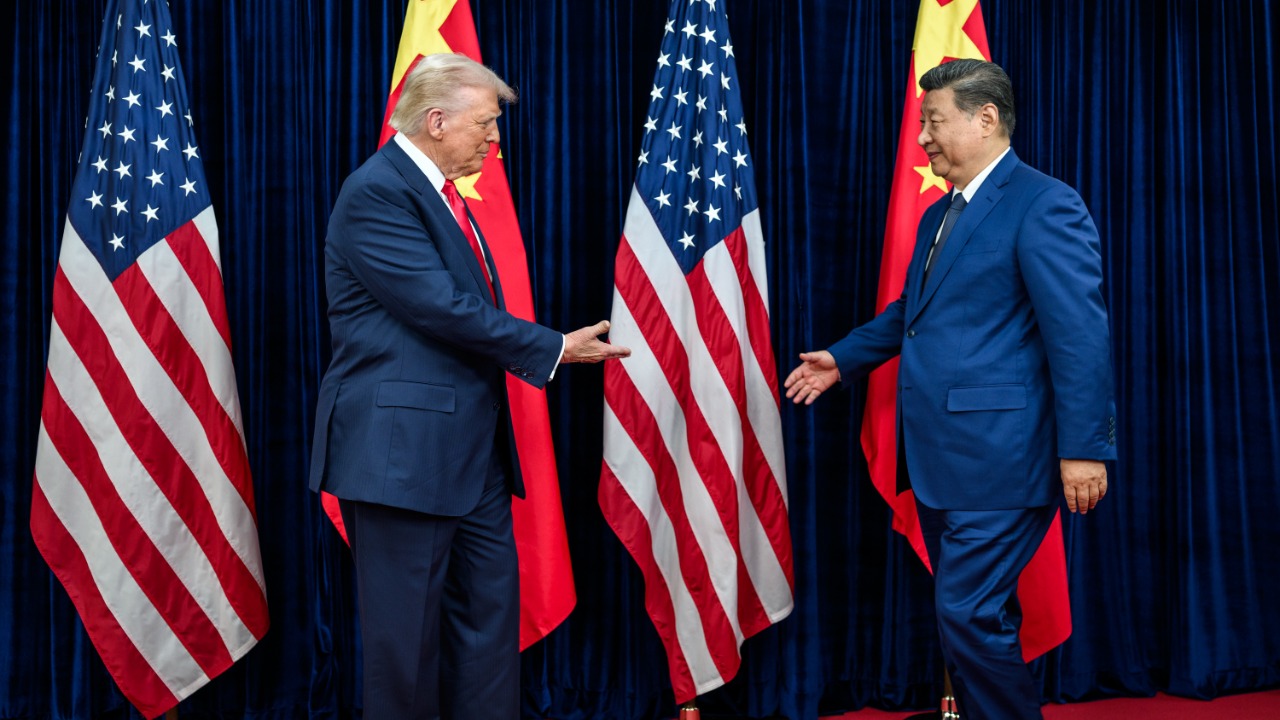
In a pivotal shift during the recent China Summit held on November 5, 2025, the U.S. relinquished significant leverage it held over China through trade policies, exposing vulnerabilities in ongoing economic strategies. This development, analyzed as a costly mistake in an opinion piece published the following day on November 6, 2025, underscores how Trump’s tariff war has reached its limits, potentially weakening America’s position in bilateral negotiations. The timing of these revelations highlights an abrupt change from prior U.S. assertiveness, altering the dynamics of U.S.-China relations overnight.
The Buildup to the China Summit
The historical context of U.S. leverage over China is deeply rooted in the tariff implementations under the Trump administration. These tariffs were initially introduced as a core tool for exerting economic pressure on China, aimed at addressing trade imbalances and protecting American industries. Over the years, these tariffs have been a central element of the U.S. strategy to negotiate better trade terms and curb China’s economic practices deemed unfair by American policymakers.
Leading up to the November 2025 summit, there were significant expectations regarding potential adjustments to these tariffs. Reports from that period suggested that stakeholders anticipated discussions that might lead to a recalibration of the tariff strategy, possibly easing some measures in exchange for concessions from China. U.S. officials prepared extensively, crafting strategies to maintain pressure while exploring avenues for compromise. Meanwhile, China responded with its own set of strategies, aiming to counteract U.S. measures and protect its economic interests.
These preparations set the stage for the summit’s revelations, which ultimately highlighted the limitations of the tariff war. The anticipation of potential outcomes was high, with stakeholders on both sides eager to see how the negotiations would unfold and what implications they would have for future trade relations.
Key Revelations from the November 5, 2025, China Summit
The core discussions at the China Summit centered around trade imbalances, directly linking to how it exposed the limits of Trump’s tariff war. The summit revealed that the tariffs, while initially effective in some respects, had reached a point where their continued use was no longer yielding the desired outcomes. The discussions underscored the need for a new approach to address the complex economic relationship between the two nations.
During the event, the U.S. made specific concessions that involved the immediate handover of leverage points that had been central to prior negotiations. These concessions were seen as a significant shift in strategy, moving away from the hardline stance that had characterized previous U.S. policies. The concessions included adjustments to tariff rates and the removal of certain trade barriers, which were intended to foster a more cooperative economic environment.
As a result of these developments, China’s position was notably strengthened post-summit. The proceedings illustrated a shift in bargaining power, with China gaining a more favorable position in the ongoing trade negotiations. This shift was evident in the way China was able to secure commitments from the U.S. that aligned with its economic goals, thereby enhancing its influence in the bilateral relationship.
The U.S. Decision and Its Immediate Fallout
The rationale behind the U.S. decision to give away key leverage has been critiqued in a November 6, 2025, opinion analysis, which highlighted the short-term diplomatic gains versus the long-term risks. The decision was seen as an attempt to reset the relationship with China, prioritizing immediate economic cooperation over the sustained application of pressure. However, critics argue that this approach could undermine the U.S.’s ability to negotiate effectively in the future, as it diminishes the leverage that had been painstakingly built over years.
Reactions from U.S. stakeholders, including business leaders and policymakers, were mixed. Many expressed surprise at the sudden shift, particularly given the pre-summit updates that had emphasized a continued commitment to tariff enforcement. The unexpected nature of the concessions led to concerns about the potential impact on American industries and the broader economy.
In the immediate aftermath of the summit, early economic indicators showed signs of market volatility tied to the loss of leverage. Investors and analysts were quick to react to the news, with fluctuations in stock prices reflecting uncertainty about the future direction of U.S.-China trade relations. This volatility underscored the high stakes involved in the decision and the potential ramifications for global markets.
Longer-Term Impacts on U.S.-China Relations
The costly mistake of relinquishing key leverage is likely to alter future tariff strategies, drawing on summit insights to predict reduced U.S. effectiveness. As the U.S. navigates this new landscape, it will need to develop alternative strategies to maintain its influence in trade negotiations. This shift may involve exploring new economic partnerships and diversifying trade relationships to mitigate the impact of reduced leverage with China.
The effects on major stakeholders, such as American exporters and Chinese manufacturers, are expected to be significant. American exporters may face increased competition as Chinese manufacturers gain a stronger foothold in the global market. Additionally, supply chain disruptions could emerge as businesses adjust to the new trade dynamics, potentially affecting production and distribution networks.
Comparing this development to previous U.S.-China trade phases highlights the time-sensitive erosion of leverage in global economics. The rapid changes in the trade relationship underscore the need for adaptive strategies that can respond to evolving geopolitical and economic conditions. As the U.S. and China continue to navigate their complex relationship, the lessons from this summit will likely shape future trade policies and negotiations.
More From TheDailyOverview
- Dave Ramsey says these two simple questions show whether you’re rich or poor
- Retired But Want To Work? Try These 18 Jobs for Seniors That Pay Weekly
- IRS raises capital gains thresholds for 2026 and what’s new
- 12 ways to make $5,000 fast that actually work

Grant Mercer covers market dynamics, business trends, and the economic forces driving growth across industries. His analysis connects macro movements with real-world implications for investors, entrepreneurs, and professionals. Through his work at The Daily Overview, Grant helps readers understand how markets function and where opportunities may emerge.