
The concept of retirement is evolving, with individuals now encouraged to consider the “Vinyl Rule” of retirement, which emphasizes planning for two distinct phases in this life stage. Inspired by the classic vinyl record, which has two sides, retirees are urged to design a multifaceted approach to their post-working years, preparing for both active engagement and a more relaxed lifestyle. This approach reflects a growing recognition of the need for a balanced retirement plan that accommodates both dynamic and restful periods.
The Two Sides of Retirement

The “Vinyl Rule” serves as a metaphor for planning two distinct phases of retirement, akin to Side A and Side B of a vinyl record. This concept encourages retirees to think beyond the traditional view of retirement as a single, uniform phase. Instead, it promotes a dual-phase approach that balances active engagement with relaxation. By adopting this perspective, retirees can ensure they remain engaged and fulfilled while also allowing time for rest and reflection. This balanced approach is crucial for maintaining overall well-being throughout retirement. A balanced retirement plan is essential for ensuring that individuals can enjoy both active and restful periods. The “Vinyl Rule” highlights the importance of preparing for both sides of retirement, allowing individuals to pursue new interests and maintain a sense of purpose while also taking time to relax and recharge. This approach not only enhances the quality of life in retirement but also helps retirees adapt to the changing landscape of this life stage.
Retirement is no longer seen as a monolithic phase of life but rather a dynamic period that can be tailored to individual preferences and needs. The ‘Vinyl Rule’ encourages retirees to embrace this flexibility by planning for both active and restful periods. This dual approach acknowledges that retirees may have different energy levels and interests at various times, allowing them to engage in activities that match their current state. By recognizing the importance of both phases, retirees can create a more satisfying and adaptable retirement experience.
Planning for Side A: Active Engagement
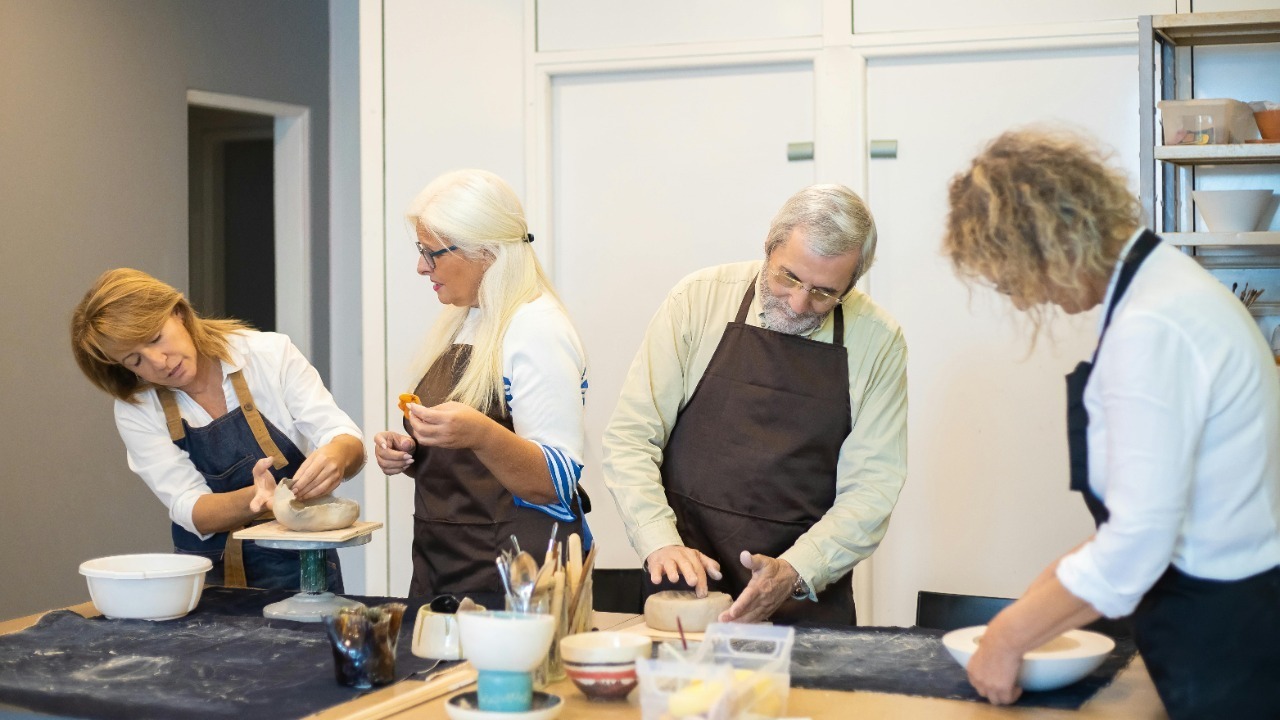
Planning for an active and fulfilling lifestyle post-retirement involves exploring various strategies to stay engaged. Many retirees find joy in pursuing hobbies or part-time work that keeps them mentally and physically active. For instance, some might take up gardening, join local clubs, or even start small businesses that align with their passions. These activities not only provide a sense of purpose but also foster social connections, which are vital for mental health. Real-world examples abound of retirees who have successfully transitioned into new ventures or volunteer work. Some individuals choose to volunteer at local charities or non-profits, leveraging their skills and experience to give back to the community. Others might embark on second careers that allow them to explore interests they couldn’t pursue during their primary careers. These examples illustrate the diverse opportunities available for retirees to remain active and engaged during this phase of life.
Engaging in lifelong learning is another way retirees can stay active and mentally stimulated. Many educational institutions offer courses specifically designed for older adults, covering a wide range of subjects from technology to the arts. These courses provide not only knowledge but also opportunities to meet like-minded individuals and form new friendships. Additionally, participating in community events or local government can offer a sense of contribution and involvement, further enriching the retirement experience.
Planning for Side B: Relaxation and Reflection

Preparing for a more leisurely phase of retirement involves focusing on activities that promote relaxation and reflection. Many retirees look forward to traveling, spending quality time with family, or simply enjoying leisure activities that they couldn’t prioritize during their working years. Travel, in particular, offers a chance to explore new cultures and experiences, providing both relaxation and enrichment. Maintaining mental and physical well-being is crucial during this phase. Activities such as yoga, meditation, or gentle exercise can help promote relaxation and reduce stress. Additionally, spending time with loved ones and engaging in reflective practices can enhance emotional well-being. By prioritizing these activities, retirees can ensure they enjoy a peaceful and fulfilling retirement.
For those entering the relaxation phase, creating a peaceful home environment can significantly enhance the quality of life. This might involve decluttering spaces, creating a dedicated area for hobbies, or investing in comfortable furniture that promotes relaxation. Furthermore, retirees can explore creative outlets such as painting, writing, or music, which offer both relaxation and a means of personal expression. These activities can be deeply fulfilling and provide a sense of accomplishment and joy.
Financial Planning for Both Sides

A successful dual-phase retirement plan requires careful financial planning to ensure sustainability across both active and relaxed phases. It’s important to develop financial strategies that support this approach, such as creating a budget that accommodates both phases and investing in retirement accounts that provide a steady income stream. Consulting with financial advisors can help retirees tailor their plans to meet their specific needs and goals. Financial advisors play a crucial role in helping retirees navigate the complexities of retirement planning. They can provide guidance on investment strategies, tax planning, and estate planning, ensuring that retirees are well-prepared for both sides of retirement. By working with professionals, retirees can create a comprehensive plan that supports their desired lifestyle throughout retirement.
In addition to traditional retirement accounts, retirees might consider diversifying their income sources to include rental properties or dividend-yielding stocks, which can provide additional financial security. It’s also important to regularly review and adjust financial plans to account for changes in health care needs or unexpected expenses. By maintaining a flexible financial strategy, retirees can better manage their resources and ensure they have the means to enjoy both active and restful phases of retirement.
Conclusion: Embracing the Vinyl Rule

Adopting the “Vinyl Rule” in retirement planning offers numerous benefits, providing a holistic approach to enjoying a fulfilling retirement. By planning for both active engagement and relaxation, retirees can ensure they remain engaged and fulfilled while also taking time to rest and reflect. This approach not only enhances the quality of life in retirement but also helps retirees adapt to the changing landscape of this life stage. As future generations approach retirement, embracing this dual-phase strategy will be essential for navigating the evolving concept of retirement. For more insights on this approach, visit Kiplinger.
Ultimately, the ‘Vinyl Rule’ encourages a proactive approach to retirement planning, emphasizing the importance of adaptability and personal fulfillment. By preparing for both active and reflective periods, retirees can navigate the complexities of this life stage with confidence and grace. This approach not only supports a balanced lifestyle but also fosters a sense of purpose and contentment. As retirement continues to evolve, embracing this dual-phase strategy will be key to achieving a rewarding and meaningful retirement experience.

Nathaniel Cross focuses on retirement planning, employer benefits, and long-term income security. His writing covers pensions, social programs, investment vehicles, and strategies designed to protect financial independence later in life. At The Daily Overview, Nathaniel provides practical insight to help readers plan with confidence and foresight.
