
Raising your credit score swiftly can make a significant difference when you’re preparing to close on a major purchase, like a home. Whether you’re aiming to get a better interest rate or ensure loan approval, making strategic moves can help improve your credit score in a short amount of time. Here are 11 effective strategies to boost your credit score quickly and efficiently.
1. Review Your Credit Report
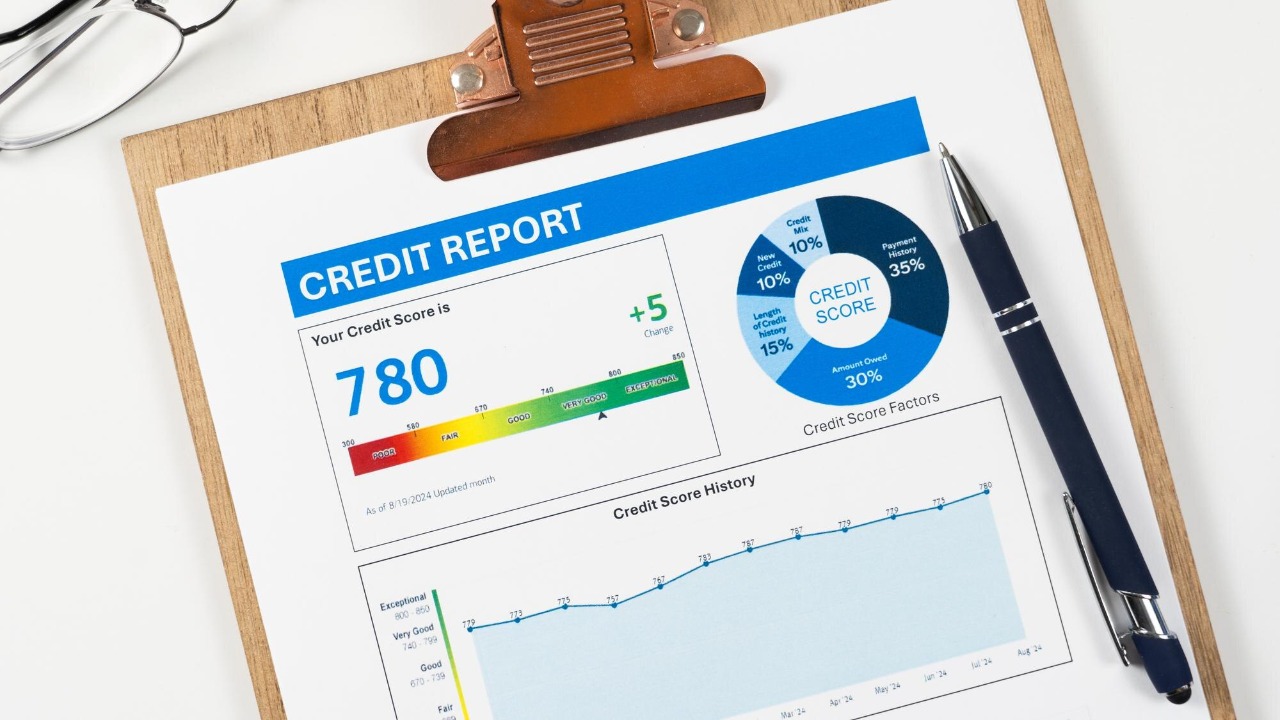
Checking your credit report is the first step towards improving your credit score. By reviewing your report from all three major bureaus—Experian, Equifax, and TransUnion—you can identify any discrepancies or outdated information. Regularly examining your credit report helps ensure that your credit history is accurately reflected, which is crucial when working to raise your credit score quickly.
It’s recommended to access a free credit report at least once a year from each bureau through AnnualCreditReport.com. Identifying and understanding the factors affecting your score will better equip you to address them effectively.
2. Dispute Inaccuracies

If you find any inaccuracies in your credit report, disputing them can provide a quick boost to your score. Incorrect information, like wrong account balances or erroneous late payments, can negatively impact your credit. Contact the credit bureau reporting the error and provide documentation to support your claim.
Fixing these errors could result in a higher credit score, often within a month. This is a critical step, as errors on credit reports are not uncommon and can significantly affect your borrowing power.
3. Pay Down Credit Card Balances

One of the fastest ways to increase your credit score is to lower your credit card balances. Your credit utilization ratio, which is the amount of credit you’re using compared to your credit limit, plays a significant role in your score. Reducing this ratio can quickly improve your credit score.
For instance, if you have a $10,000 credit limit and owe $5,000, paying down the balance to below $3,000 can make a noticeable difference. Aiming for a utilization rate below 30% is often recommended.
4. Increase Credit Limits

Requesting a higher credit limit from your credit card issuer can be an effective way to lower your credit utilization ratio without spending any money. This strategy works best if you have a solid payment history and a good relationship with your issuer.
Keep in mind, though, that this only works if you maintain your current spending levels. If your credit limit increases, but your spending does too, your utilization ratio won’t improve.
5. Become an Authorized User

Being added as an authorized user on someone else’s credit card account can help boost your score, especially if the account holder has a long history of responsible credit use. This can add positive payment history and increase your available credit.
However, ensure the primary cardholder’s financial habits are sound, as their negative actions can also impact your credit. This strategy is often used to help young adults build credit.
6. Consolidate Debt Strategically

Consolidating debt can streamline your payments and potentially lower interest rates. By combining several balances into one, you can focus on paying down a single debt, often at a lower interest rate.
This approach can also improve your credit utilization ratio, particularly if you’re able to transfer balances from high-interest credit cards to a lower-interest personal loan or credit card with a lower rate.
7. Use a Personal Loan

Taking out a personal loan to pay off credit card debt can reduce your credit utilization ratio and improve your credit score. Personal loans are installment loans, which are treated differently in credit scoring models compared to revolving credit card debt.
Always ensure that the loan offers better terms than your credit cards to make this strategy effective. It’s a solution worth considering if you’re serious about improving your credit score quickly.
8. Make Payments Twice a Month

Rather than waiting for the due date, consider making smaller payments twice a month. This can help keep your credit utilization ratio low throughout the month, not just when your statement is generated.
This strategy can be particularly beneficial if you’re frequently close to your credit limit. By keeping your balance low, you help maintain a healthy credit utilization ratio. Learn more about the optimal timing for payments here.
9. Avoid New Hard Inquiries

Each time you apply for new credit, a hard inquiry is recorded on your credit report, which can temporarily lower your score. To maintain or improve your credit score, avoid applying for new credit cards or loans before closing.
If you’re shopping for a mortgage or car loan, try to do so within a short time frame, as similar inquiries made within a specific period are typically treated as a single inquiry.
10. Utilize Credit-Boosting Tools

Several tools and services are available that can help you raise your credit score quickly. For example, Experian Boost allows you to add utility and phone bill payments to your credit profile, potentially increasing your score.
These tools are a great way to get credit for the bills you’re already paying on time, and they can have an immediate impact. Learn more about how to boost your credit score fast here.
11. Maintain a Low Credit Utilization Ratio

Finally, consistently maintaining a low credit utilization ratio is crucial for a healthy credit score. This means keeping your credit card balances well below your credit limits on an ongoing basis.
As a rule of thumb, aim to keep your utilization ratio below 30%. This not only improves your credit score but also demonstrates to lenders that you’re a responsible borrower. For more detailed strategies on managing credit with limited resources, check out this guide.

Elias Broderick specializes in residential and commercial real estate, with a focus on market cycles, property fundamentals, and investment strategy. His writing translates complex housing and development trends into clear insights for both new and experienced investors. At The Daily Overview, Elias explores how real estate fits into long-term wealth planning.

