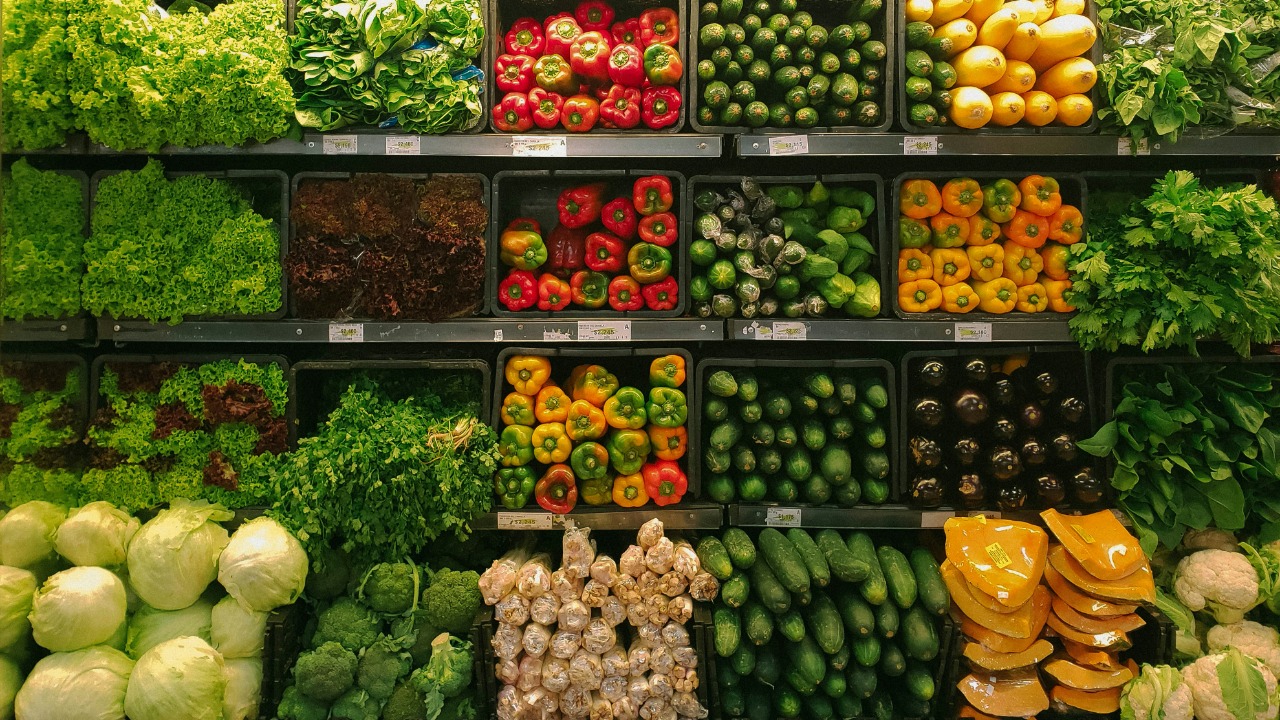
In recent years, the rising cost of certain foods has deterred many from purchasing them. The reasons for these price hikes range from environmental factors to global market demands. As consumers adjust their grocery lists, some foods are being left on the shelves. Here’s a closer look at 17 foods that have become too expensive for many people to consider buying regularly.
Avocados
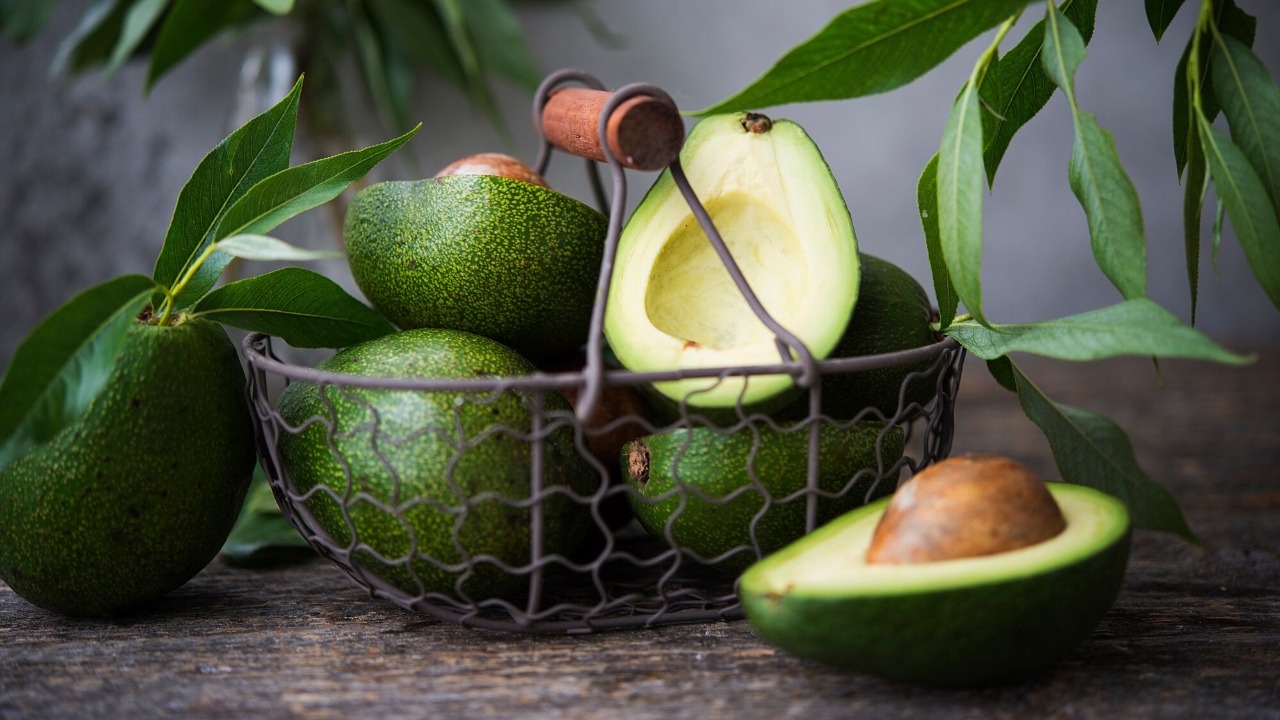
Avocados, once a staple for health enthusiasts and brunch lovers, have seen a significant price increase. This surge is largely due to climate change affecting harvests and increasing demand. Countries like Mexico, a major supplier, have faced fluctuating weather conditions that impact production. As a result, many have opted to cut back on their avocado purchases, seeking alternative sources of healthy fats.
For those still craving the creamy texture of avocados, options like hummus or nut-based spreads offer similar nutritional benefits without breaking the bank. The rising prices have led to creative substitutions in many households.
Almonds
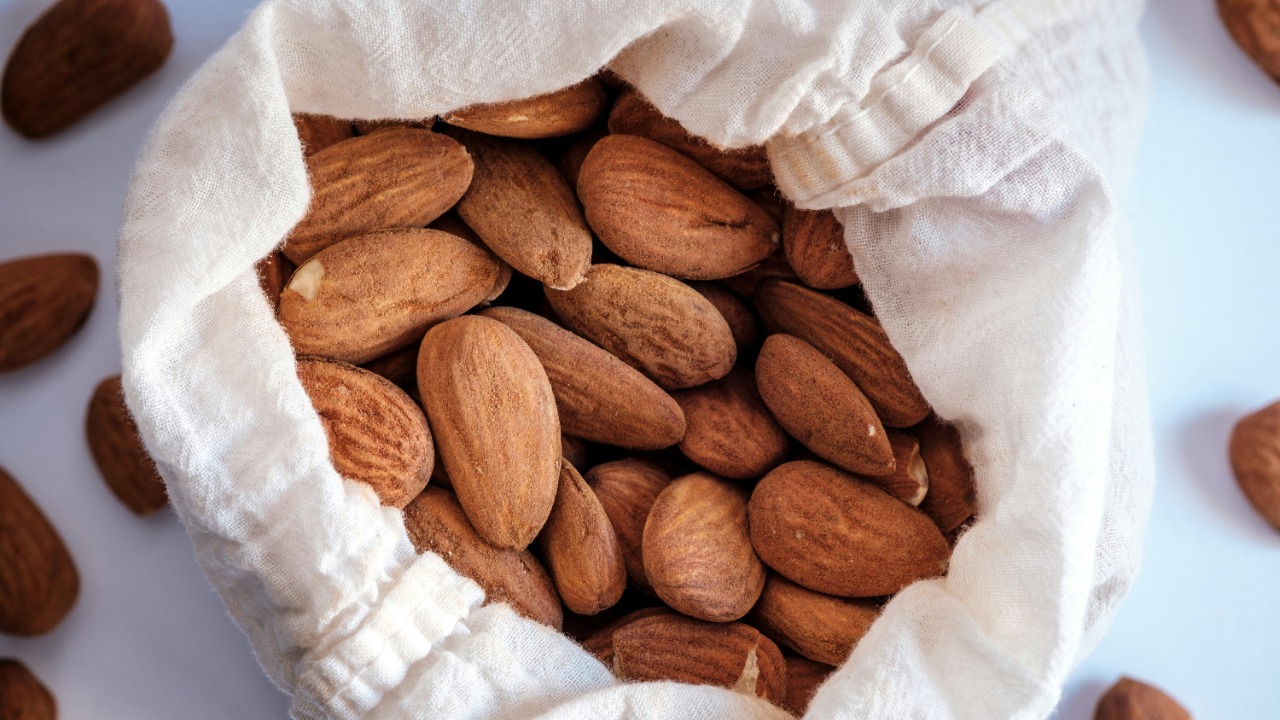
Almonds have long been popular for their health benefits, but droughts in California, the leading producer, have driven prices through the roof. Water scarcity has led to higher production costs, translating to more expensive almonds on the shelf. Consumers are now considering cheaper nut alternatives, such as peanuts or sunflower seeds, to meet their dietary needs.
The price of almond milk, a popular dairy alternative, has also increased, prompting some to explore other plant-based options like oat or soy milk. The shift in consumer habits reflects a broader trend of seeking more affordable choices.
Beef
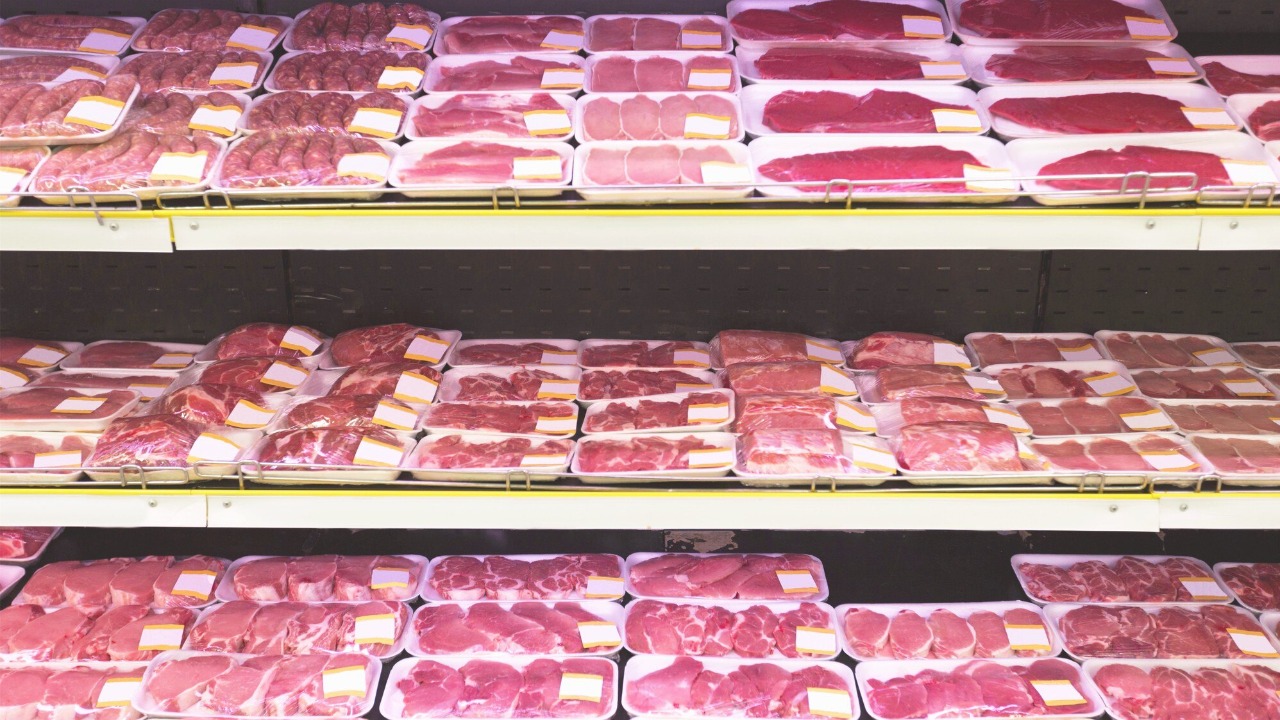
Beef prices have skyrocketed due to a combination of factors, including increased feed costs and environmental concerns. The cattle industry faces significant challenges from climate change, with extreme weather affecting feed availability. Consequently, beef has become a luxury item for many families, who are turning to chicken or plant-based proteins as alternatives.
This shift is not just about cost but also reflects growing environmental awareness. As consumers seek to reduce their carbon footprint, the demand for sustainable food options has risen, pushing people to rethink their consumption patterns.
Lobster
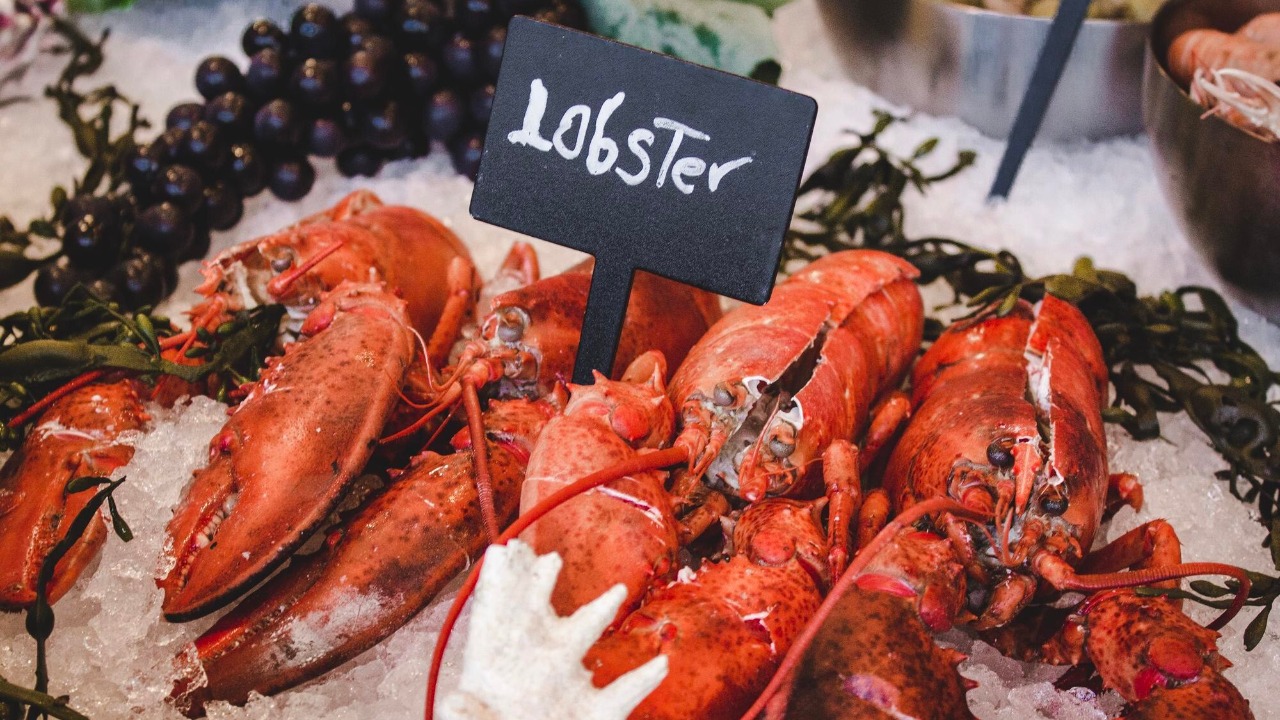
Once considered a special-occasion food, lobster has become even more exclusive due to rising prices. The impact of climate change on lobster populations and increased shipping costs have contributed to this trend. Many seafood lovers are opting for more affordable alternatives like crab or shrimp.
The high cost of lobster dishes in restaurants also reflects these changes, leading diners to explore different seafood options when dining out. This shift is reshaping the seafood market, making lobster a rare treat rather than a regular indulgence.
Organic Berries
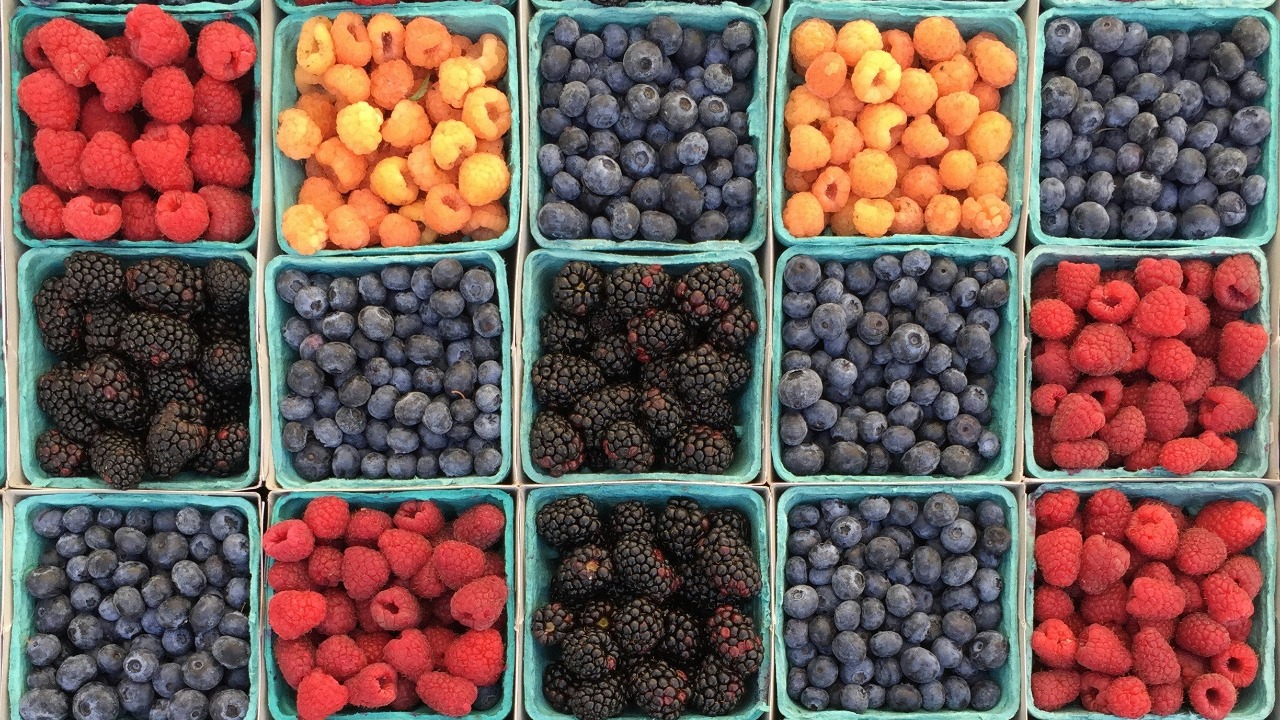
Organic berries, known for their health benefits and delicious taste, have seen prices soar. The labor-intensive process of organic farming, combined with unpredictable weather patterns, has made these fruits more costly. Many consumers now choose conventional berries or frozen options to enjoy similar benefits at a lower price.
The increased cost of organic produce highlights the challenges of sustainable farming practices. As demand for organic foods continues to rise, the price gap between organic and conventional products remains a significant consideration for budget-conscious shoppers.
Quinoa

Quinoa, once hailed as a superfood, has seen its price rise due to increased global demand and production challenges. As a staple in many plant-based diets, quinoa’s popularity has strained supply chains, particularly in South America. As a result, consumers are turning to more affordable grains like rice or barley.
This shift reflects a broader trend of diversifying dietary staples to accommodate both nutritional needs and financial constraints. The growing interest in alternative grains showcases the evolving landscape of healthy eating.
Saffron

Saffron, one of the most expensive spices, has become even pricier due to labor-intensive harvesting methods and limited growing regions. The delicate process of hand-picking and drying saffron threads contributes to its high cost. Many home cooks now reserve saffron for special occasions, opting for more accessible spices in everyday cooking.
The rise in saffron prices highlights the challenges of maintaining traditional farming practices in a modern economy. As a result, consumers are exploring new ways to flavor their dishes without relying on this costly spice.
Vanilla Beans
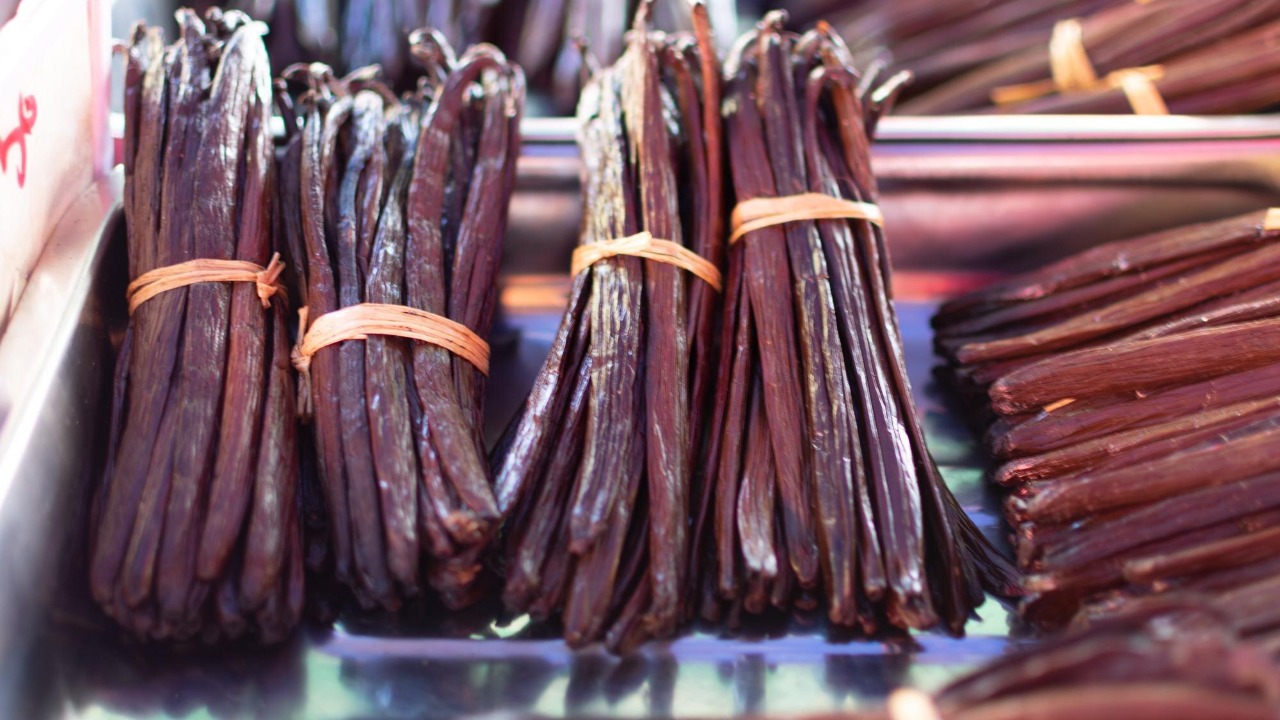
Vanilla beans have experienced significant price increases, driven by supply shortages in Madagascar, the world’s leading producer. The labor-intensive process of growing and curing vanilla, combined with natural disasters impacting production, has made this aromatic spice a luxury.
Many bakers and chefs are now using vanilla extract or synthetic alternatives to achieve similar flavors at a fraction of the cost. The high price of vanilla beans underscores the challenges of balancing quality with affordability in the culinary world.
Pecans
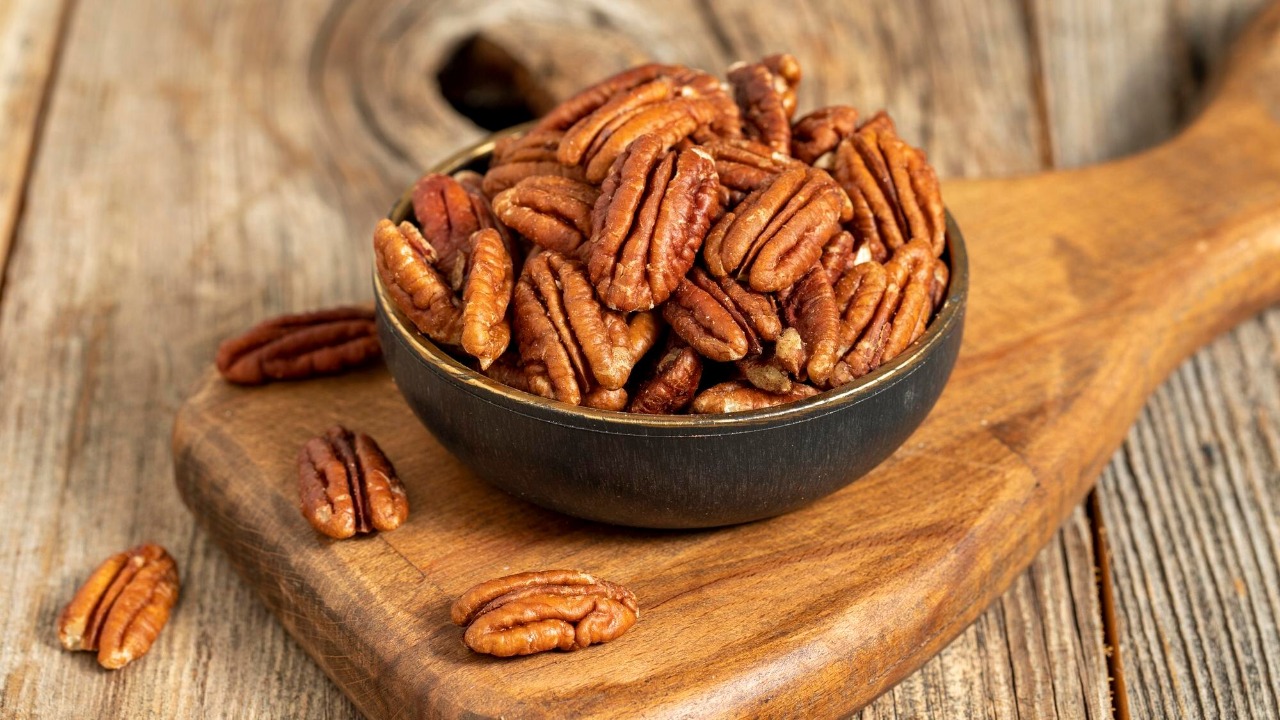
Pecans, a favorite in many desserts and snacks, have seen prices rise due to increased demand and production issues. The impact of hurricanes in key growing regions has affected harvests, leading to higher costs. Consumers are turning to other nuts, such as walnuts or almonds, as substitutes in their recipes.
The fluctuating pecan market reflects the broader challenges faced by the agricultural sector, where climate change and natural disasters significantly impact production and pricing.
Champagne
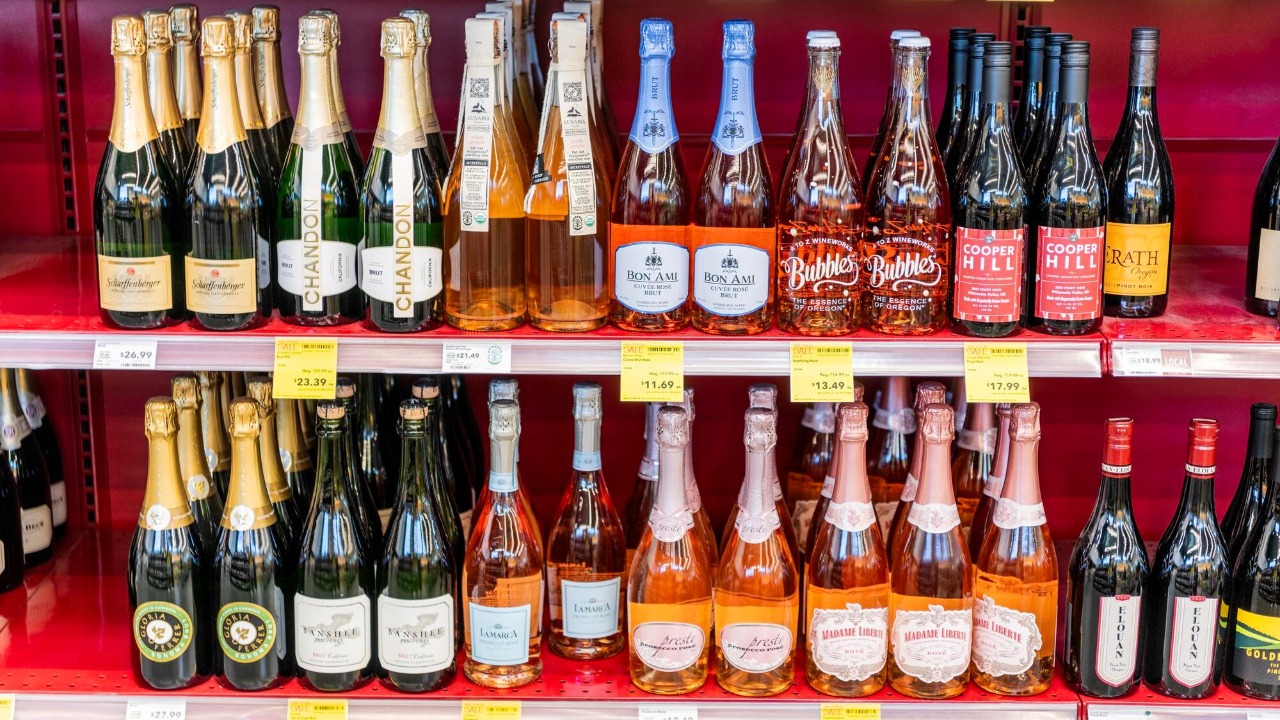
Champagne, synonymous with celebration, has become increasingly expensive due to rising production costs and global demand. The intricate process of producing champagne, coupled with environmental factors affecting grape harvests, has led to higher prices.
Many are now opting for sparkling wines or prosecco as more affordable alternatives to champagne. This trend highlights the evolving preferences of consumers who seek quality and value in their celebratory beverages.
Olive Oil
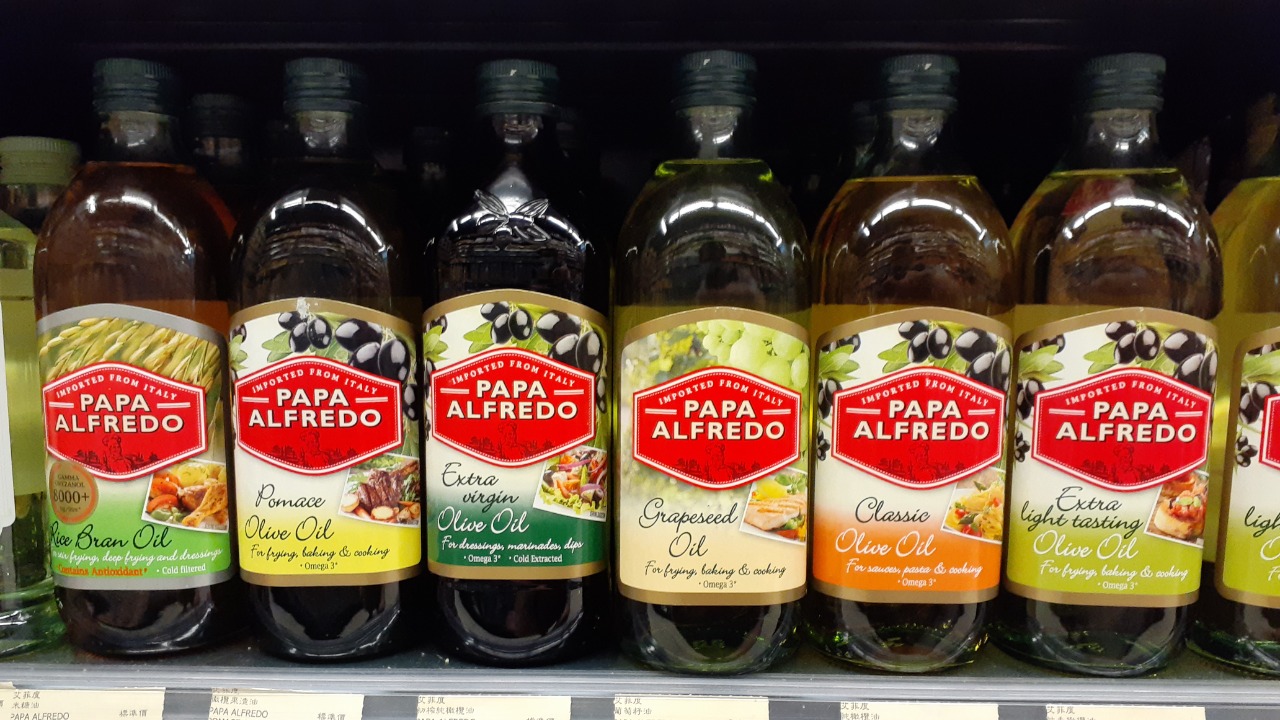
Olive oil, a kitchen staple, has seen its price rise due to challenges in major producing countries like Italy and Spain. Droughts and diseases affecting olive trees have reduced yields, leading to increased costs for consumers.
This has prompted some to explore other cooking oils, such as canola or sunflower, which offer similar culinary benefits at a lower price. The rising cost of olive oil illustrates the broader impact of environmental factors on global food markets.
Maple Syrup

Maple syrup, a beloved breakfast companion, has become more expensive due to climate change affecting maple tree sap production. Warmer winters and shorter tapping seasons have reduced output, leading to price hikes.
As a result, some consumers are turning to other sweeteners, like honey or agave syrup, to satisfy their cravings without straining their budgets. The increased cost of maple syrup underscores the ongoing challenges faced by producers in adapting to changing environmental conditions.
Pistachios
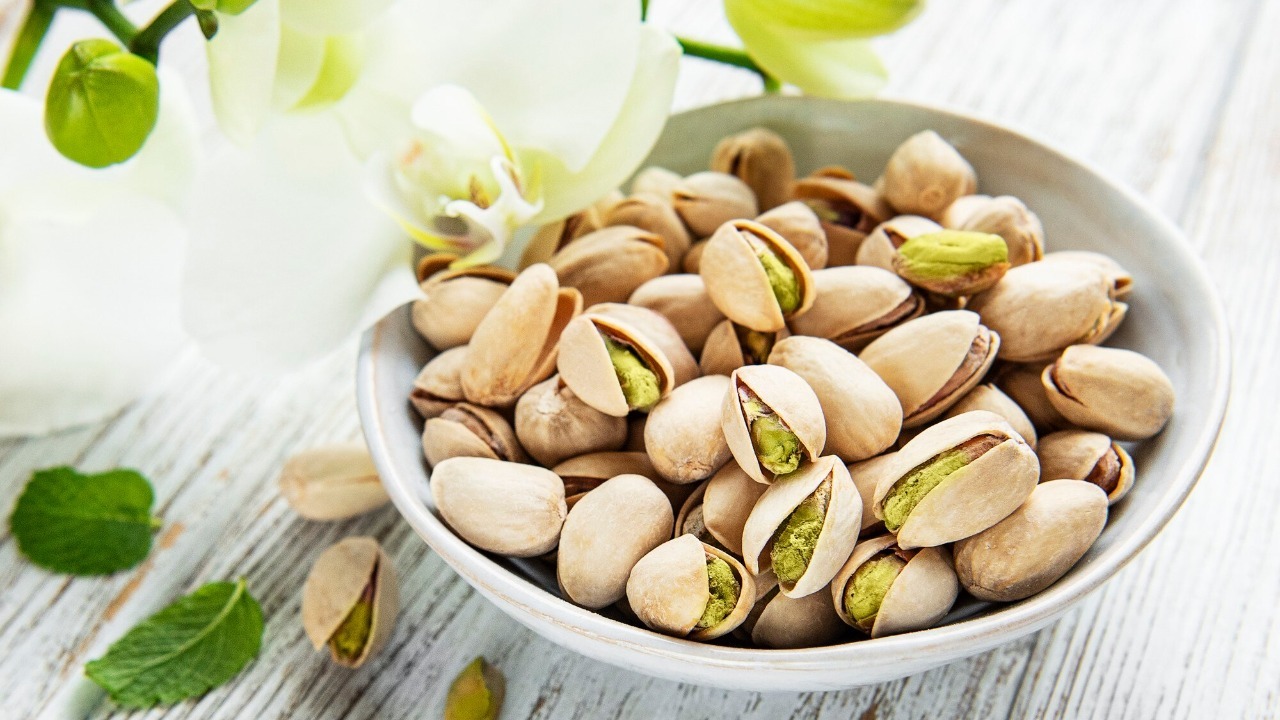
Pistachios, a popular snack and ingredient, have seen prices rise due to water shortages in key growing regions, particularly in California. The high water demands of pistachio farming have led to increased production costs, reflected in retail prices.
Many consumers are opting for more affordable nuts, such as peanuts or cashews, to satisfy their snacking needs. The rising cost of pistachios highlights the complex interplay between agriculture and environmental sustainability.
Tuna
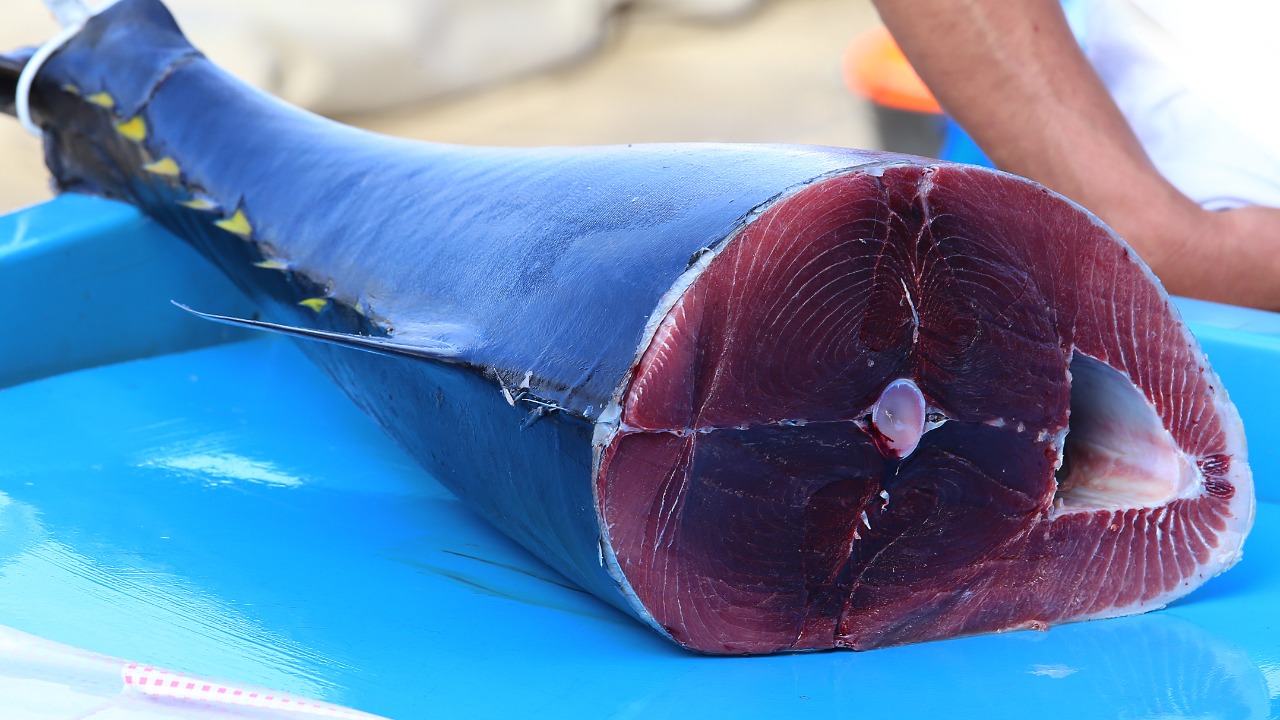
Tuna, a staple in many households, has become more expensive due to overfishing and environmental concerns. The depletion of tuna stocks has led to stricter fishing quotas and higher prices. Consumers are now considering other seafood options, such as salmon or tilapia, as alternatives.
This shift reflects growing awareness of sustainable fishing practices and the need to protect marine ecosystems. The changing tuna market illustrates the broader challenges of balancing consumer demand with environmental preservation.
Goat Cheese

Goat cheese, known for its tangy flavor and creamy texture, has seen prices rise due to increased production costs and demand. The labor-intensive process of goat farming and cheese production has contributed to this trend.
Many cheese lovers are now exploring cow’s milk cheeses or plant-based alternatives to enjoy similar flavors at a lower cost. The rising price of goat cheese highlights the ongoing challenges faced by artisanal producers in a competitive market.
Imported Cheese

Imported cheese, prized for its unique flavors and textures, has become more expensive due to tariffs and increased shipping costs. The complexities of international trade have led to higher prices for consumers seeking imported dairy products.
This has led many to explore domestic cheeses or try their hand at homemade cheese-making. The changing landscape of the cheese market reflects broader trends in global trade and consumer preferences.
Coffee
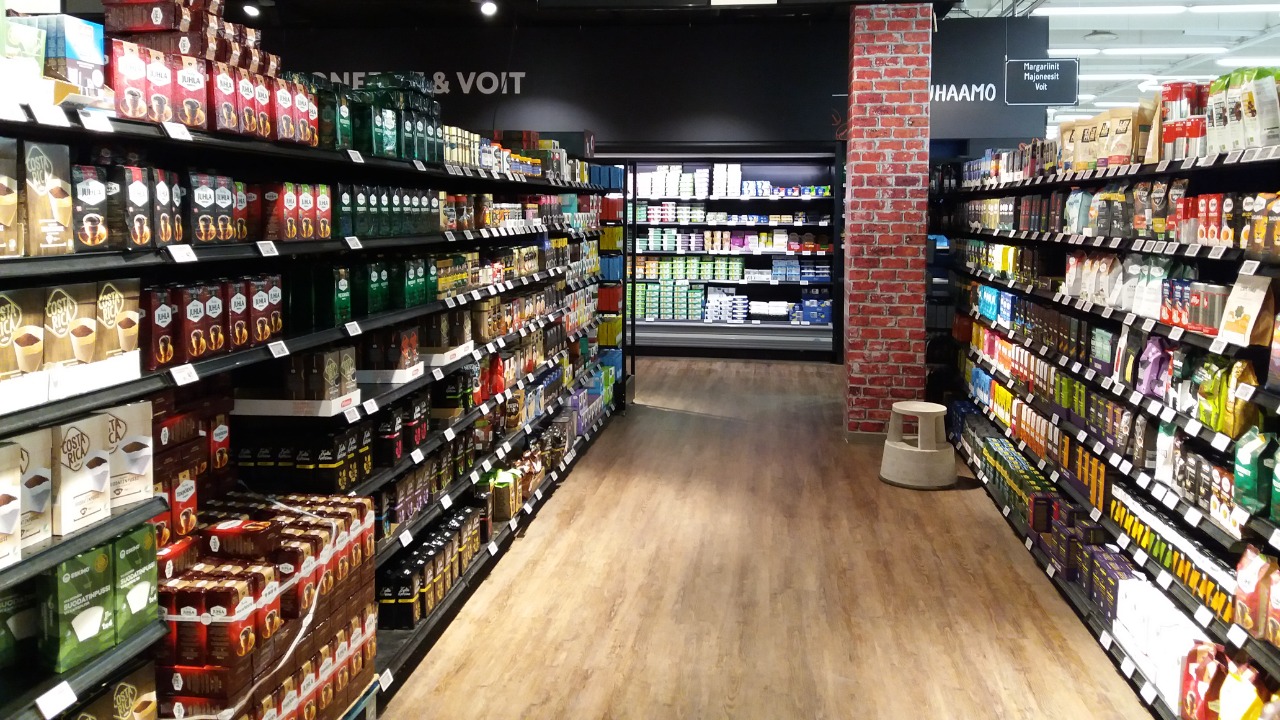
Coffee, a daily ritual for many, has seen prices rise due to climate change and supply chain disruptions. The impact of unpredictable weather patterns on coffee-growing regions has led to reduced yields and higher costs.
Some coffee enthusiasts are turning to more affordable blends or exploring alternative energy-boosting beverages. The increasing price of coffee highlights the broader challenges faced by the agricultural industry in adapting to a changing climate.

Cole Whitaker focuses on the fundamentals of money management, helping readers make smarter decisions around income, spending, saving, and long-term financial stability. His writing emphasizes clarity, discipline, and practical systems that work in real life. At The Daily Overview, Cole breaks down personal finance topics into straightforward guidance readers can apply immediately.
