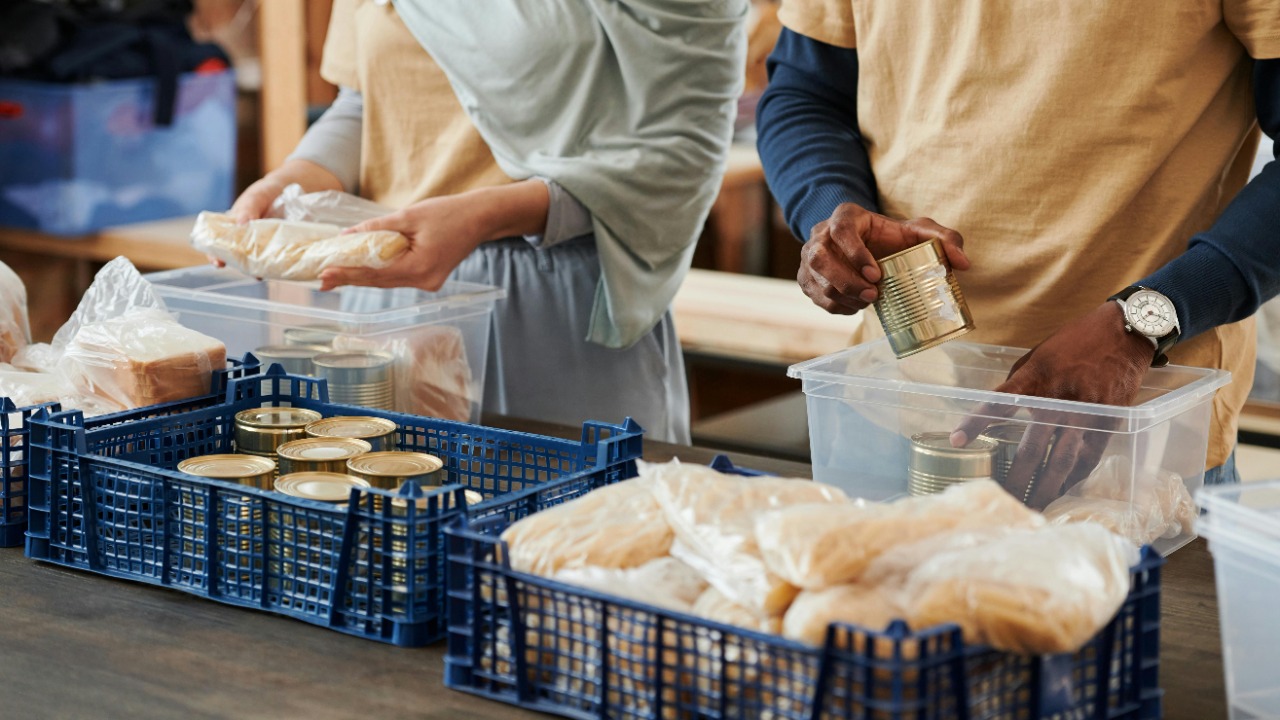
Food pantries are serving record demand, yet a surprising share of what arrives in donation bins never reaches a family’s table. Well‑meaning people clean out cupboards, drop off leftovers or toss in whatever is on sale, only to create extra work and waste for already stretched staff and volunteers. The result is a system where generosity is high, but impact is uneven.
To make every can and box count, I look at what pantries say they quietly wish donors would leave at home, and what they would rather receive instead. The patterns are clear: safety, nutrition and practicality matter far more than clearing your pantry of odds and ends.
Damaged, opened and expired food that cannot be safely shared
The first category food pantries want to see disappear from donation barrels is anything that looks like it has already had a rough life. Dented cans, torn boxes, bulging lids and jars with broken seals all raise red flags for food safety. Staff cannot risk handing out items that might be contaminated, so damaged or opened food is usually pulled aside and thrown away, even if the contents seem fine at a glance, which is why guidance on Damaged and Opened Food is so blunt.
Pantries apply the same caution to anything past its prime. Expired food, especially items that are far beyond their “use by” or “best if used by” dates, cannot simply be waved through because the donor hates waste. Operators are required to protect the people they serve, so they routinely reject or discard expired cans, boxes and jars, even when they look intact, a point echoed in advice on What not to donate that stresses Everything must be sealed and within safe date ranges.
Perishable items, leftovers and anything that needs refrigeration
Another major problem category is food that simply cannot sit on a shelf. Perishable items that require refrigeration, from milk and fresh meat to deli salads and soft cheeses, are a big “no‑no” for most food drives because they spoil quickly and are hard to keep at safe temperatures during collection and distribution. Food banks explain that they will not accept Food that needs refrigeration, leftovers or any Perishable goods that cannot be stored safely, which is why donors are urged to stick to shelf‑stable items instead of dropping off last night’s dinner or a bag of thawing chicken, a standard spelled out in warnings about Perishable Food.
Even baked goods and home‑cooked dishes that feel heartfelt fall into this off‑limits zone. Leftovers and homemade casseroles cannot be verified for ingredients, allergens or handling, and they often arrive without labels or dates. Guidance on Which Items to Avoid Donating to a Food Pantry lists Items that need to be refrigerated, along with Leftovers and baked goods, as things to skip, steering donors toward shelf‑stable proteins, grains and canned fruit instead of fragile treats that may spoil before they are eaten, a distinction that shows up clearly in advice on Which Items to Avoid Donating.
Junk food, sugary drinks and nutritionally empty extras
Even when food is safe and shelf‑stable, it may not be what pantries need most. Boxes of candy, chips, soda and other Junk food tend to pile up because they are cheap and familiar, but they do little to support long‑term health for families who may rely on pantry bags for a significant share of their calories. Nutrition‑focused groups urge donors to Avoid junk food or items with excess sugar and salt, and instead prioritize beans, whole grains, canned vegetables and lean proteins that provide essential nutrients, a shift spelled out in guidance that tells people to Avoid nutritionally empty items.
Drinks are another overlooked problem. Oversized bottles of sugary beverages are heavy to transport, take up valuable storage space and offer little more than a quick rush. Food pantries increasingly ask donors to skip soda and sweetened drinks and instead send shelf‑stable, nutrient‑rich foods that can anchor real meals. Advice collected under Food Pantries Wish You and Stop Donating These Items Avoid highlights that pantries would rather receive shelf‑stable milk, low‑sodium soups or canned fruit in juice than cases of soda, steering donors away from sugary drinks and toward healthier staples, a preference captured in the reminder that Items Avoid sugary drinks in favor of better options.
Random pantry clean‑outs that ignore what clients actually need
One of the quiet frustrations I hear from pantry staff is the steady stream of random odds and ends that arrive when people treat donation bins like a place to unload whatever they no longer want. Unlabeled jars, obscure ingredients and half‑used gift baskets might feel generous to the giver, but they are hard to match with families who are trying to cook simple, familiar meals. National guidance on What food you CAN donate to your local food bank emphasizes that pantries accept dry and canned Food that is shelf‑stable, easy to use and clearly labeled, and that they build their inventory around staples that can be distributed through pantries, soup kitchens or shelters, a framework laid out in advice on What CAN Food banks use.
Some organizations go further and publish detailed lists of Items to Skip and the staples they hope to see instead. They flag things like oversized bulk packages that spoil before they are finished, extremely niche ingredients and products that require special equipment or long cooking times that many clients may not have. One regional guide on best donations notes that SNAP benefits do not cover toiletries or cleaning agents and urges donors to consider Personal‑Care & Household Supplies when space allows, while also spelling out Items to Skip that are likely to spoil or go unused, a balance that shows how Items to Skip are paired with smarter alternatives.
How to give smarter: from targeted groceries to monetary support
For donors who feel overwhelmed by all the rules, the good news is that food banks are increasingly clear about what helps most. Many now offer simple checklists and even short videos that walk first‑time visitors through what to bring, what to avoid and how to pack donations so they are easy to sort. One explainer on preparing for a first visit breaks down the basics so people can feel confident walking into a distribution site, showing in plain language how a little planning can make the experience smoother for both clients and volunteers, a message captured in the guidance shared in Apr about what to expect.
Beyond groceries, pantries are increasingly candid that money often stretches further than cans. Monetary donations are described as crucial because they give food banks flexibility to purchase specific, needed items and to source food more efficiently than with in‑kind donations alone. One campaign notes that Monetary support lets organizations buy exactly what is missing from their shelves and respond quickly when demand spikes, a point underscored in analysis of how Monetary donations power large‑scale meal efforts.
Why cash, not clutter, is often the most powerful gift
When I talk with hunger relief workers, a consistent theme emerges: the most effective gift is often the least visible. Yes, monetary donations are extremely beneficial because they allow food banks to purchase the items they need most and to cover operational costs like refrigeration, trucks and staff that keep the system running. One resource aimed at supporters spells this out plainly, explaining that cash fills gaps that random cans cannot, and that targeted funding lets organizations adapt quickly when supply chains shift or client needs change, a reality summarized in the reminder that Yes, monetary donations are extremely beneficial.
Advocates also stress that cash gifts are not just for large donors. Public appeals around the loss of SNAP benefits highlight that Monetary donations help food banks and pantries stretch every dollar further, allowing them to purchase exactly what is needed locally and reminding supporters that every donation matters, whether it is a few dollars online or a monthly pledge. That message, shared in calls to action that urge people to step up, give and amplify the need, captures a simple truth: when donors skip the items pantries cannot use and instead send either thoughtful staples or flexible funds, they turn good intentions into real meals, a connection made explicit in the appeal that explains how Monetary donations help food banks and pantries stretch every dollar.
More From TheDailyOverview
- Tennessee loses $2.6B megafactory and faces major layoffs
- Retired But Want To Work? Try These 18 Jobs for Seniors That Pay Weekly
- What to do with your pennies after the U.S. stops minting them
- Home Depot CEO warns of a troubling customer trend in stores

Cole Whitaker focuses on the fundamentals of money management, helping readers make smarter decisions around income, spending, saving, and long-term financial stability. His writing emphasizes clarity, discipline, and practical systems that work in real life. At The Daily Overview, Cole breaks down personal finance topics into straightforward guidance readers can apply immediately.

