Big retail names are quietly redrawing the shopping map for 2026, pulling out of malls, main streets, and neighborhood centers that once felt untouchable. Nearly 300 locations are on the chopping block nationwide, a wave of closures that will reshape where Americans buy clothes, medicine, groceries, and home goods. I am looking at what that means chain by chain, and how shoppers and workers will feel the impact first.
Behind every shuttered storefront is a mix of rising costs, shifting consumer habits, and hard choices by corporate leaders trying to protect profits. The result is a patchwork of communities that will lose familiar brands, from department stores to drugstores and specialty chains, even as some of these same companies invest in e‑commerce or new formats elsewhere.
The scale of the 2026 retail pullback
The clearest signal that this is more than a handful of isolated exits is the sheer number of locations slated to go dark. Reporting shows that Nearly 300 US retail stores, including locations tied to Macy and Kroger, are expected to close by the end of the year. A separate breakdown of chains confirms that these 300 stores are spread across the country, which means the fallout will be felt in suburbs, small towns, and big-city neighborhoods alike.
What stands out to me is how concentrated these closures are among household names rather than fringe players. Consumer-focused reporting on nearly 300 retail stores closing highlights that this is part of a broader retrenchment, not a one-off reaction to a bad quarter. Chains are pruning underperforming sites, exiting weaker markets, and in some cases using bankruptcy or restructuring to reset their entire footprint.
Department stores and apparel chains under pressure
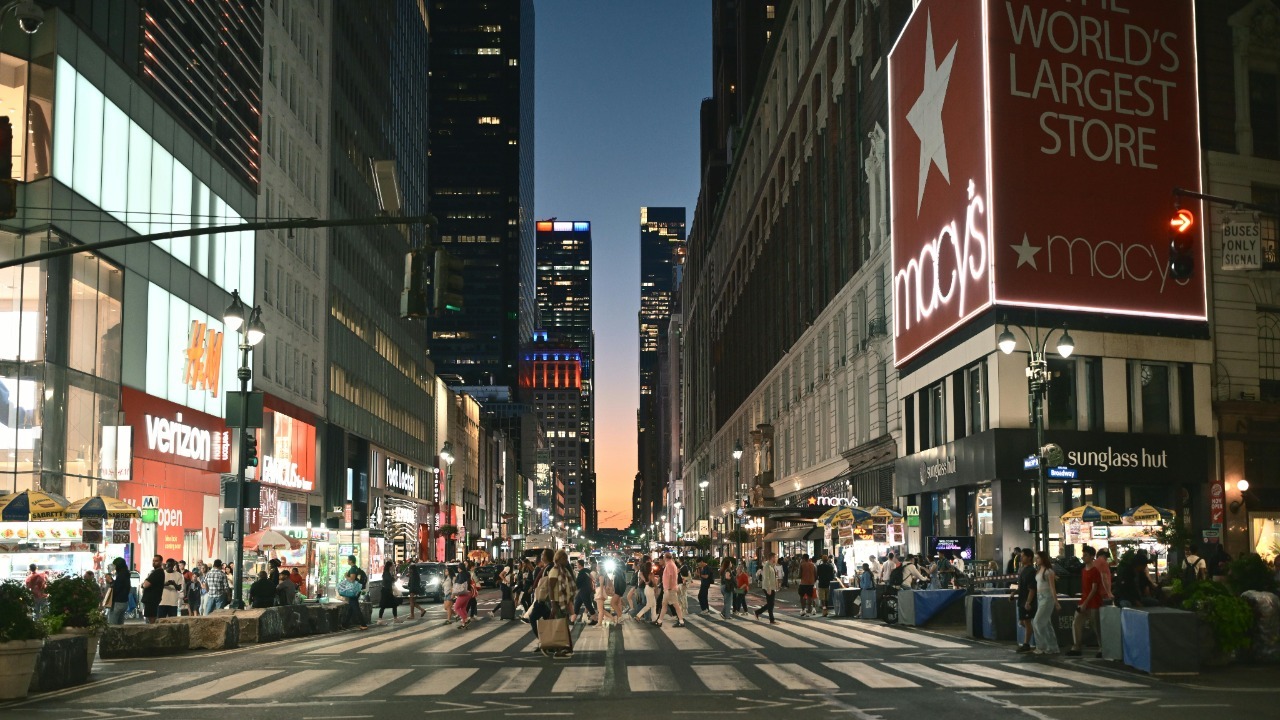
Traditional department stores are again on the front line of this reset. Macy is closing 14 stores across the United States, including five in the Northeast, as part of a multi‑year effort to shrink and modernize its fleet, a move that sits alongside its ongoing push to drive more sales through Macys online channels. Local business reporting confirms that these 14 closures follow dozens of shutdowns in 2025, underscoring how aggressively Macy is rebalancing away from legacy real estate.
Children’s apparel is feeling similar strain. Retailers focused on kids’ clothing are reassessing how many physical stores they really need in an era of fast shipping and resale apps. One standout example is Carter, with coverage noting that the company plans to shutter 150 stores over the next few years, a figure echoed in consumer reporting that Carter intends to close 150 locations as part of a long-term shift. I see that as a clear sign that even brands with strong name recognition are trimming brick-and-mortar to match where parents are actually shopping.
Drugstores, grocers, and everyday essentials
For many communities, the most disruptive closures will be in pharmacies and grocery stores that anchor daily routines. Drugstores have already been consolidating, and Walgreens is now part of that story, with national coverage listing Walgreens among the chains closing locations in 2026. One analysis of chain retrenchment notes that Walgreens is no different from other Drugstores like Rite, Aid and CVS that have been rapidly cutting sites, and it points to plans affecting as much as a quarter of its 8,600 stores.
Grocery is not immune either. Reporting on businesses closing stores this year highlights that Kroger is among the chains trimming their footprints, with some locations in Illinois, Kentucky, and Texas flagged for closure as part of a broader review of underperforming sites, even as Kroger continues to invest in new stores elsewhere. A separate tally of chains confirms that Kroger is one of the companies contributing to the Stores Are Closing 2026, which means some shoppers will see longer drives and fewer options for fresh food.
Specialty retailers and restaurants feel the squeeze
Beyond the big-box names, a wide range of specialty chains and restaurant brands are also shrinking. A roundup of Major Chain Stores and Restaurants Closing Locations in 2026 lists players from auto parts to casual dining, including Major Chain Stores such as Advance Auto Parts that are pruning locations after years of rapid expansion. Another regional breakdown of chain retrenchment underscores that Restaurants Closing Locations are part of the same pattern, as operators respond to higher labor costs and changing dining habits.
Specialty retail is under particular pressure as shoppers consolidate trips and shift more discretionary spending online. One example is Newell Brands, which is closing 20 U.S. and Canadian Yankee Candle stores starting in January 2026, a move that will eliminate over 900 jobs across its U.S. and Canadian Yankee Candle network. That decision is also reflected in broader tallies of chains, where Newell Brands appears among the companies contributing to the Shoppers May Feel wave of closures that will hit specialty chains hardest.
Bankruptcies, local fallout, and what comes next
Some of the most dramatic retrenchment is tied to bankruptcy and full-scale restructuring. A detailed look at Notable Retailers Closing Doors in 2026 points to Joann Fabrics, noting that After filing for bankruptcy, Joann Fabrics is moving ahead with the closure of all 91 stores in its network across 49 states, a stark example of how quickly a familiar brand can disappear from physical retail. That same analysis places Joann within a larger pattern of Notable Retailers Closing Doors as companies use court protection to shed leases and reset their balance sheets.
The local impact of each shutdown is highly specific, down to the street address. One list of major store changes details Closures that include a Vicksburg site at 2310 Iowa Blvd and two locations in Biloxi, one on Pass Road and another at 506 Larcher Blvd Suite 23, illustrating how a single chain’s decision can ripple through multiple communities at once as Closures hit Vicksburg, Iowa Blvd, Biloxi, Pass Road, and the 506 Larcher Blvd corridor. A separate rundown of big-name brands notes that nine major retailers are shuttering dozens of stores across America, with the Story credited to Shay Johnson and shared widely on America through Reddit, which shows how closely shoppers are tracking each new announcement.
Looking across all of this, I see a retail landscape that is not collapsing but clearly consolidating. Chains like Macy, Kroger, Walgreens, Carter, Newell Brands, and Joann are closing stores for different reasons, yet together they add up to a reset that will leave some communities with fewer choices and longer drives, and others with empty anchor boxes waiting for the next tenant. For shoppers, the practical response is to pay attention to local closure lists, support remaining neighborhood options where possible, and be ready for a 2026 in which familiar logos disappear from the corners they once dominated.
More From The Daily Overview

Grant Mercer covers market dynamics, business trends, and the economic forces driving growth across industries. His analysis connects macro movements with real-world implications for investors, entrepreneurs, and professionals. Through his work at The Daily Overview, Grant helps readers understand how markets function and where opportunities may emerge.

