Grocery shoppers have been promised relief as President Donald Trump tears up some of his own food tariffs, but the gap between policy headlines and the price at the register is stubbornly wide. Tariff cuts can, in theory, pull certain staples lower, yet the structure of supermarket supply chains means any plunge in prices is likely to be selective, delayed and easy to miss amid broader inflation. I want to unpack where the biggest changes are happening, which items are actually affected and why the average cart total may not fall as fast as the politics suggest.
What exactly Trump is cutting, and why
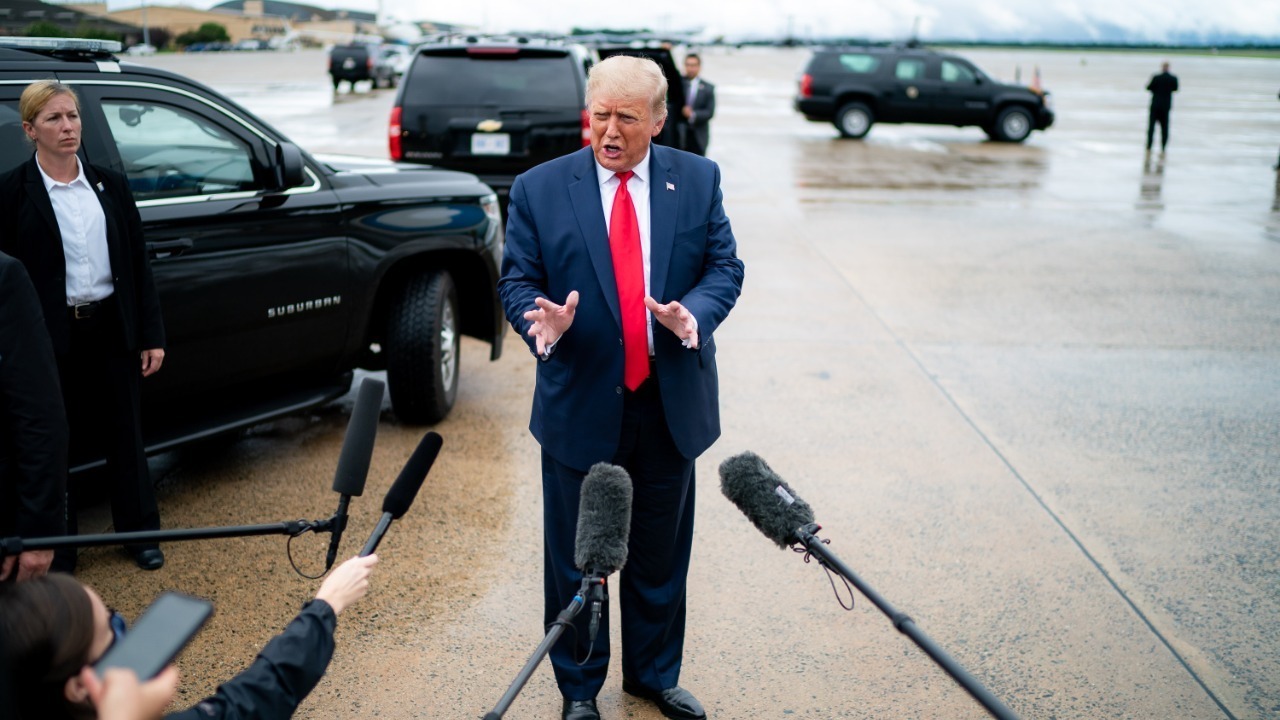
President Donald Trump has framed his latest trade moves as a direct strike on food inflation, arguing that high import duties helped push up the cost of everyday groceries and that reversing course will now ease the squeeze. According to Key Takeaways, President Donald Trump is lowering tariffs that his own administration previously imposed after concluding that those levies were driving up prices for consumers. The same reporting notes that he has reached trade deal frameworks with four Central American and nations, tying tariff relief to broader trade relationships that affect food imports.
The most concrete step so far is an executive order that scraps duties on a long list of imported foods that show up in American kitchens every day. Reporting on that order says Trump signed an executive order that removes tariffs on beef, coffee and tropical fruit, and that the same order also eliminates duties on tea, fruit juice, cocoa, spices, bananas, oranges, tomatoes and certain other imported foods. In other words, the policy is targeted at categories that are both politically visible and heavily traded, from the ground coffee in a drip machine to the tomatoes in a jar of pasta sauce.
Why lower tariffs do not mean instant savings
Even with those cuts in place, the price tags on store shelves are not going to reset overnight, and the mechanics of the grocery business explain why. Analysts who have looked at the new policy stress that President Donald Trump is rolling back tariffs on some imported food items, but that will not lower grocery prices right away because retailers are still working through older, more expensive stock. One detailed breakdown notes that President Donald Trump is rolling back tariffs on some imported food items and that prices are unlikely to fall until existing Invent is exhausted and replenished at the new, lower landed cost.
Supply chains also move slowly, which means the impact of tariff changes filters through in stages rather than in a single dramatic drop. As one industry expert put it, now these products are going onto store shelves and retailers need to sell at higher prices to recoup costs, a reminder that supermarkets paid tariffs on goods already in their warehouses and will try to recover that outlay before cutting prices. Another analysis of the same dynamic underscores that Supply chains do not instantly pass lower costs to consumers, especially when retailers are still carrying inventory purchased at peak prices.
The products most likely to move first
For shoppers, the most immediate question is which items in the cart might actually get cheaper as the new rules take hold. The executive order that removed tariffs on beef, coffee and tropical fruit, along with tea, fruit juice, cocoa, spices, bananas, oranges and tomatoes, points to specific aisles where the math has changed. If importers are no longer paying those duties, the landed cost of a container of green coffee beans or frozen orange juice concentrate should fall, and over time that can translate into lower shelf prices for ground coffee, branded juices and even some processed foods that rely on those ingredients, all tied back to the tariff cuts described in the executive order.
There is also a geographic angle, because President Donald Trump has linked some of the tariff relief to trade frameworks with four Central American and South American partners that are major suppliers of coffee, bananas and other tropical products. The Central American and deals are designed to smooth trade flows and reduce friction on exactly the kinds of goods that fill the produce section and breakfast aisle. In practical terms, that means shoppers are more likely to notice incremental relief on imported categories like coffee and bananas than on domestically produced staples such as milk or eggs, which are driven by different cost pressures.
Why your overall bill may still climb
Even as tariffs fall on some foods, the broader trend in grocery inflation has been moving in the opposite direction, and that tension helps explain why many households will not feel much relief. Analysts who have tracked the past few years of policy note that Trump’s tariff policy also played a role in the rise of food prices, and They pointed especially to 50% tariffs on certain imports that fed directly into higher costs for manufacturers and retailers. That history matters because it means some of the current price level is baked in from earlier rounds of trade conflict, and simply removing a portion of those levies does not automatically unwind the entire increase.
On top of that legacy, food inflation is being pushed by forces that have little to do with border taxes. One detailed look at the current landscape notes that grocery prices are still climbing and that, Why the Impact May Be Limited and At Least for Now, Even with these rollbacks, experts say the effect on grocery bills may be modest because other costs are rising. That same reporting points out that prices for meat, poultry and eggs have jumped by 19% in the past year, a surge that reflects feed costs, disease outbreaks and processing expenses rather than tariffs, all summarized under the warning that Why the Impact. When the fastest rising items in the cart are not the ones directly affected by tariff cuts, the overall bill can keep rising even if a few imported products edge down.
How retailers and markets will decide what you actually pay
Ultimately, the pass through from tariff policy to the checkout screen runs through supermarket chains, food manufacturers and financial markets, and their decisions will shape how much of the theoretical savings you ever see. Trade specialists note that US Tariffs are shifting and ask whether companies will react or anticipate, stressing that for supermarket chains and food manufacturers, the rollback of US food duties is only one factor among many, alongside labour costs and currency movements. That perspective, laid out in detail in an analysis of shifting Tariffs, suggests that retailers may choose to hold on to some of the margin created by lower import costs rather than immediately cutting prices across the board.
Market strategists are just as cautious about promising quick relief. Matt Orton, chief market strategist for Raymond James Investment, told the program Morning in America that the Trump administration’s rollback of food tariffs is unlikely to lower grocery prices in the near term, arguing that once those price increases trickle in, it is really hard to reverse them quickly. His comments, captured in a recent Morning interview, echo what I hear from other analysts who say that once consumers have adapted to higher prices, retailers face less pressure to cut them aggressively. That is why some experts describe the tariff rollback as necessary but not sufficient, a step that may prevent even steeper increases rather than delivering the kind of sweeping price cuts many shoppers are hoping for.
More From TheDailyOverview
*This article was researched with the help of AI, with human editors creating the final content.

Grant Mercer covers market dynamics, business trends, and the economic forces driving growth across industries. His analysis connects macro movements with real-world implications for investors, entrepreneurs, and professionals. Through his work at The Daily Overview, Grant helps readers understand how markets function and where opportunities may emerge.