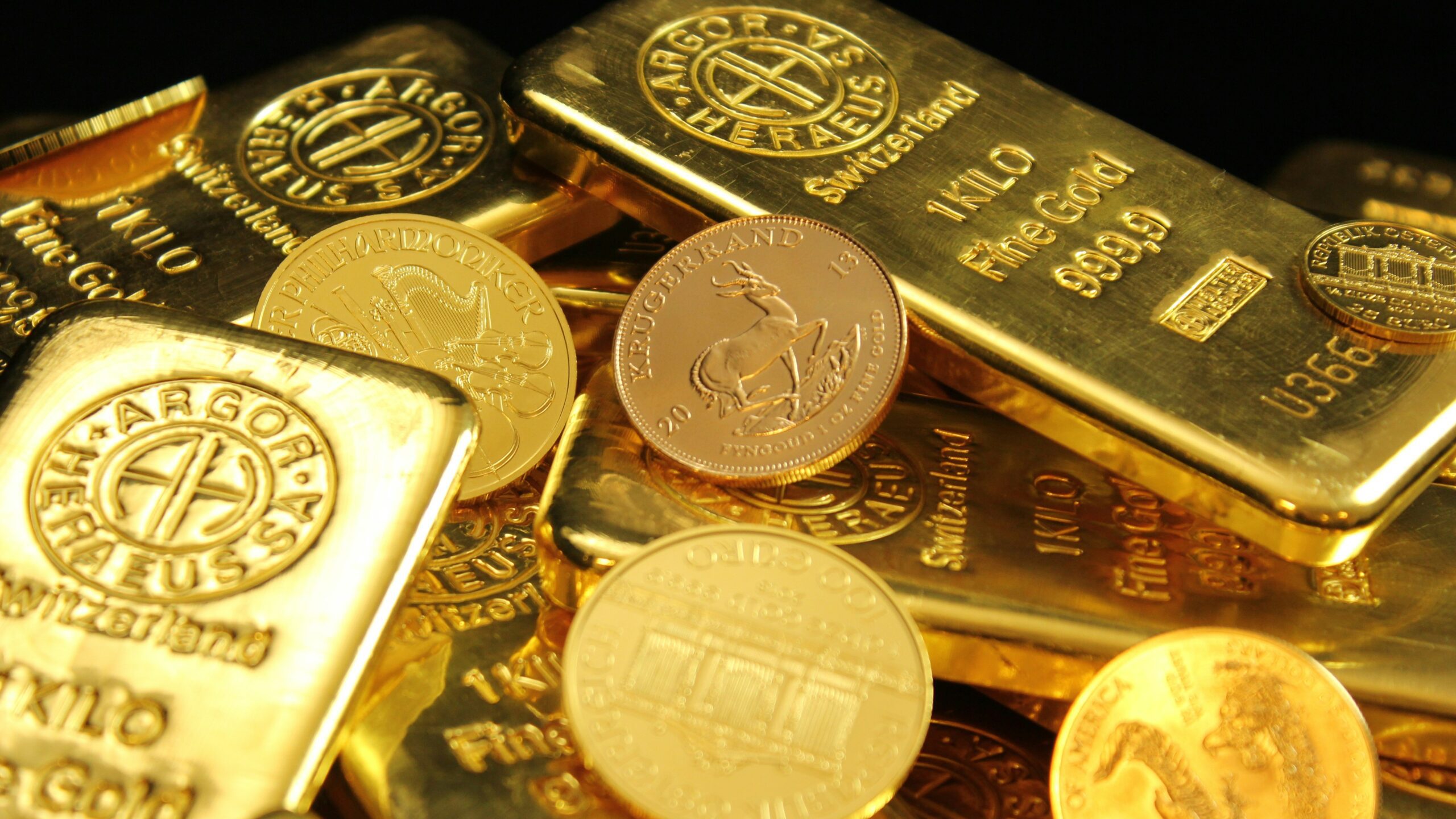
Commodities are back in the spotlight after a powerful run in gold and silver, but one chief investment officer overseeing about $15 billion is pushing back against the hype. In that CIO’s view, raw materials are not true investments at all, only speculative chips whose value depends on someone else paying more later. I want to unpack that claim against what is happening across energy, metals and geopolitics, and what it means for anyone tempted to chase the latest commodity trade.
The CIO’s blunt warning on gold, silver and every other raw material
The starting point for the debate is simple: the CIO argues that all commodities, from precious metals to industrial inputs, are speculative rather than productive assets. The criticism is sharpened by the backdrop of Last year’s rally in gold, which has encouraged advocates to argue for a permanent slice of portfolios in the metal. The CIO’s point is that a bar of gold or a barrel of oil does not generate cash flow, earnings or dividends, so any gain relies on price appreciation alone, a dynamic that looks more like trading than long term investing.
That skepticism extends even to assets that are often marketed as safe havens. The CIO’s comments, relayed in coverage that notes how They oversee about $15 billion, stress that gold and silver do not compound in the way a business or a bond can. The argument is that while some investors see gold as a hedge against inflation or financial stress, it still behaves like a store of value whose payoff depends on timing and sentiment. In that framing, all commodities sit on the same side of the ledger as speculative bets, regardless of how shiny or historically revered they might be, a view that cuts against the grain of the current enthusiasm around Last.
Safe haven or speculative chip? The gold and silver dilemma
Gold’s recent surge has revived the classic debate over whether it is a portfolio stabilizer or just another crowded trade. Advocates point to its role as a hedge when inflation is sticky or when investors worry about currency debasement, and some suggest that allocating a modest slice of assets to bullion can smooth returns over time. Yet the CIO’s critique bites here too, because even if gold holds its purchasing power, it does not grow on its own, and any attempt to “beat the market” with it still hinges on buying before the crowd and selling into strength.
Silver complicates the picture further, because it straddles the line between precious metal and industrial input. Earlier this year, Silver was described as no longer trailing gold but instead leading a broader commodities parabola after a 50% rally in 2025, and at this point it is significantly outperforming BTC, according to analysis comparing Silver Price Vs BTC USD. That kind of move highlights why traders are drawn to the metal’s volatility, but it also underlines the CIO’s concern that such assets behave more like leveraged macro bets than steady stores of value. Even gold’s dual role, with some investors using it as collateral to buy more gold instead of diversifying, reinforces the idea that these markets can encourage speculative feedback loops, a pattern flagged in reporting that quotes how gold serves as a hedge while also tempting investors to double down through CIO.
Macro tailwinds: why big institutions still like commodities
Set against that skepticism is a powerful macro story that keeps drawing large investors into commodity markets. Institutional outlooks for 2026 highlight how Energy and certain commodity prices may continue to be volatile, with Electricity prices and broader inflation dynamics still in flux, a risk flagged in a recent office of the CIO note that begins with the reminder that There are, of course, potential risks. At the same time, the World Bank observed that resilient activity in major economies plus strong renewable investment have boosted demand for key raw materials, and that prices have been reflecting this firm demand base, a trend summarized in research that cites The World Bank’s assessment of the commodity market outlook.
Geopolitics is amplifying those forces. Commodities rise while the dollar falls amidst deglobalization, and Geopolitical uncertainty has become a defining theme of 2026, with Things changing in how trade flows and supply chains are structured, according to analysis of markets at the start of the year. That backdrop helps explain why some strategists argue that commodities are set to play a more prominent role in portfolios, with one major wealth manager stating that We project further supply shortages for copper and aluminum, which should support prices over the medium term while structural drivers like underinvestment and elevated risks from weather or geopolitical events remain in place. In that view, raw materials are not just speculative chips but tools to express views on inflation, growth and political risk, even if their day to day pricing still looks like a trader’s playground, a tension captured in the same The World Bank commentary and the separate note that We project further supply shortages in the Feb outlook.
From copper to uranium: where Wall Street is still bullish
Even as one CIO dismisses commodities as speculation, other heavyweight institutions are publishing explicit buy lists. Bank of America’s 2026 message for commodity investors is clear: stick with gold, do not miss uranium’s rally and buy copper before the market fully reprices it, a stance laid out in a note on Bank of America’s top three commodity stock picks. That kind of guidance treats commodities and related equities as vehicles for capturing structural themes, from nuclear power’s revival to the electrification of transport, rather than as short term punts on price charts.
The bullishness on copper in particular dovetails with the supply concerns flagged elsewhere. Analysts who say We project further supply shortages for copper and aluminum argue that chronic underinvestment in mining capacity, combined with surging demand from electric vehicles and grid upgrades, will keep inventories tight and prices supported. At the same time, the broader commodity complex is being reshaped by the energy transition, with The World Bank highlighting how strong renewable investment has boosted demand for metals tied to batteries and solar infrastructure. For investors, that means the line between speculation and long term thesis driven exposure is blurry: buying a copper miner or a uranium producer is still a bet on future prices, but it is also a wager on policy, technology and capital spending, themes that Bank of America and others are weaving into their Jan recommendations.
Volatility, financialization and what “investment” really means
Underneath the tactical calls sits a deeper question about how financialized commodity markets have become. Today, as one economic historian notes, we may expand the list of key traded raw materials to maybe 50, 60 commodities, but whatever the exact count, the idea is that the prices of commodities were always among the most volatile. That volatility has been amplified by the growth of futures, options and exchange traded products that let investors gain exposure without ever taking delivery of oil, wheat or copper, a shift that critics say can detach prices from underlying supply and demand and turn essential goods into chips in a global casino.
More From The Daily Overview
*This article was researched with the help of AI, with human editors creating the final content.

Grant Mercer covers market dynamics, business trends, and the economic forces driving growth across industries. His analysis connects macro movements with real-world implications for investors, entrepreneurs, and professionals. Through his work at The Daily Overview, Grant helps readers understand how markets function and where opportunities may emerge.

