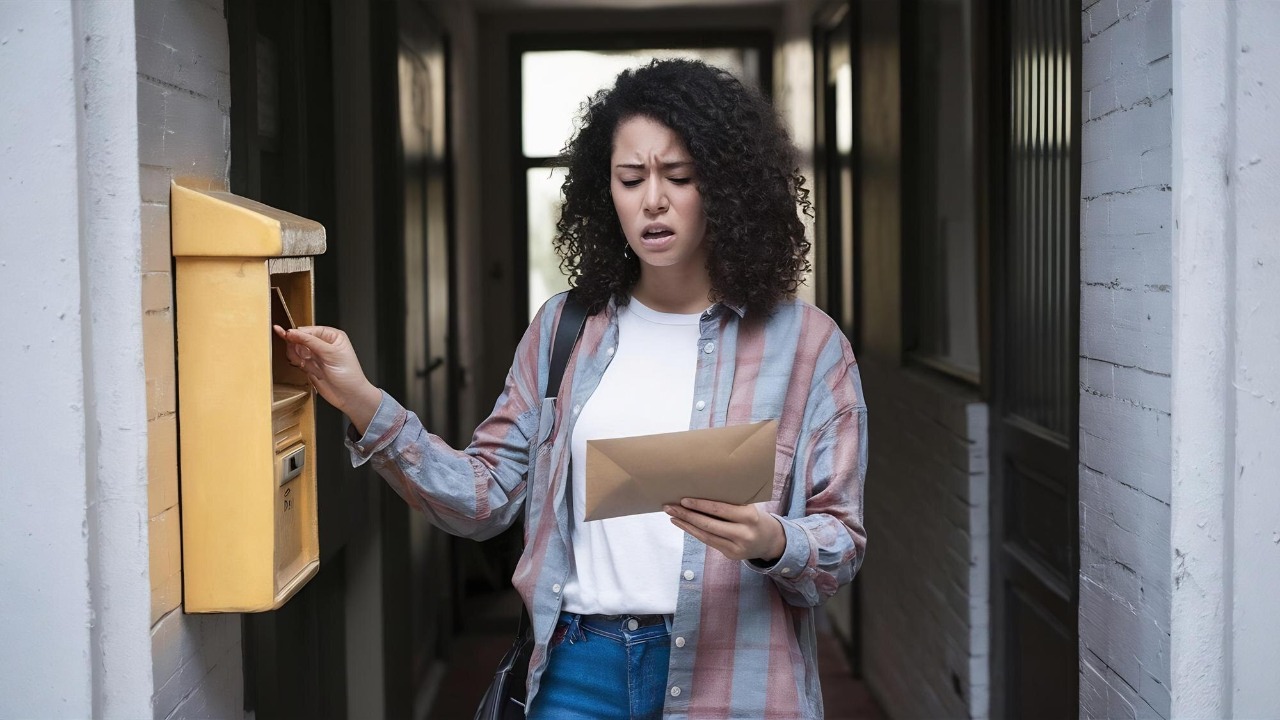
Criminals have found a way to turn your own front porch into a crime scene, intercepting new debit cards and draining accounts before victims even know the plastic has arrived. Instead of skimming at gas pumps or guessing PINs at ATMs, they are watching delivery routes, grabbing envelopes, and then using social engineering to squeeze out the last piece of information they need. I want to walk through how this front-door scheme works, why debit cards are such a rich target, and the concrete steps you can take to keep your money out of their hands.
The core risk is simple: once thieves have both your card and your PIN, they can pull cash directly from your checking account, often faster than banks can detect the fraud. That is why protecting the physical card, the numbers printed on it, and the personal details that unlock it has never been more important. The good news is that the same habits that shield you from porch pirates can also blunt this new wave of debit-card scams.
How the front-door debit scam actually works
The latest twist in debit fraud starts long before you tap your card at a store, with scammers tracking when new or replacement cards are mailed and then staking out homes to intercept them. Reporting from late Oct 27, 2025 describes criminals waiting for postal deliveries, grabbing the sealed envelope, and then using the stolen card to quietly siphon money from the victim’s bank account, turning a routine reissue into a direct pipeline into your checking balance, as detailed in one Oct account of how thieves drain funds. Once they have the physical card, the only missing ingredient is the PIN, which is where the second phase of the con begins.
In many cases, the same crews or their partners follow up with phone calls or texts, posing as bank staff and claiming there is a problem with the new card that requires “verification.” Another report from Oct 27, 2025 explains how victims are told to read off card details or even enter their PIN on a fake automated line, while the criminals stand ready to withdraw cash from the victim’s bank account at an ATM, a pattern described in detail in a piece on how Scammers pressure Americans. By the time the real cardholder realizes the envelope never arrived, the thieves have already converted the stolen plastic into hard cash.
Why debit cards are such a high-stakes target
Debit cards are especially attractive to criminals because they are a direct line into your checking account, not a separate credit line with a billing cycle and dispute window. One credit union warns that debit cards are attractive to fraudsters precisely because they allow quick purchases without raising red flags, listing Some of the most common methods such as Skimming and Devices that capture card data at ATMs or point-of-sale terminals. When thieves combine those traditional tactics with front-door interception, they gain both the card and the real-time access that makes debit fraud so damaging.
Consumer protections do exist, but they depend heavily on how quickly you act once something looks wrong. Banking guidance updated on Nov 20, 2025 notes that if you report debit card fraud promptly, your liability can be limited to $50 in losses, a figure that underscores how much the clock matters when your card or PIN is compromised. The longer you wait to flag suspicious withdrawals, the more of the loss you may have to absorb yourself, which is exactly why scammers try to move fast once they have your card in hand.
How to lock down your mailbox, front porch, and PIN
Stopping this particular scam starts with treating your mailbox and front door as extensions of your wallet. If you know a new card is coming, I recommend signing up for delivery alerts, using a locked mailbox, or arranging to pick it up at a branch so thieves cannot simply pluck it from your porch. Once the card is in your hands, the next priority is to protect your card details and PIN, since your card information, security code, and four-digit number are the keys criminals need, a point stressed in guidance from Mar 27, 2024 that urges people to Protect your card details and PIN.
I also treat any unsolicited call, text, or email about a “new card problem” as suspicious until proven otherwise. Instead of responding directly, I hang up and call the number on the back of my existing card or log in to my bank app to check for alerts. Fraud experts emphasize that legitimate institutions will not ask you to read your full PIN aloud or type it into a link they just sent, and they will not pressure you to act within minutes or risk losing access. If someone does, that is a strong sign you are dealing with a scammer who may already have your card and is trying to complete the puzzle.
Daily habits that make debit fraud easier to spot and stop
Even if a thief manages to get hold of your card, your day-to-day habits can determine how much damage they do before you shut them down. I make a point of checking my transaction history regularly, either in my bank’s app or through text alerts, so that any unfamiliar charge stands out quickly. One bank’s guidance on Dec 9, 2024 frames this as the first line of defense, urging customers to Keep an Eye on Your Accounts to catch signs of skimming, phishing, or theft before they snowball.
Good digital hygiene matters just as much as watching your mailbox. When I shop online or in stores, I favor secure payment methods, avoid saving card numbers in random apps, and use strong, unique passwords for banking and retail accounts. Security advice from Apr 25, 2024 highlights that one of the Key Takeaways is to Take steps to keep your personal data safe when making purchases, recommending a few actions such as using contactless payments and enabling alerts, as outlined in a guide to Key steps that keep your card safe. Those same practices make it harder for criminals to pair a stolen card with the personal information they need to impersonate you.
What to do the moment you suspect a scam
When something feels off, speed is your best ally. If a new card fails to arrive, if you see a withdrawal you do not recognize, or if you realize you just shared details with a caller who might not be legitimate, I recommend treating it as an emergency. Consumer protection officials advise that if you get scammed, the first move is to Contact your bank or credit card company immediately so They may be able to reverse charges or freeze the account, guidance laid out on Nov 23, 2025 in a warning about What to do if you get scammed. The sooner you make that call, the more options your bank has to stop additional transactions and start an investigation.
For debit cards specifically, other fraud protections often require you to prove that fraud has occurred, which is another reason to document everything and move quickly. A Nov 24, 2025 overview of front-door schemes notes that for debit cards, Other tips include monitoring your bank account regularly to check for fraudulent transactions and never responding to unsolicited messages that ask for PINs or full card numbers, advice that appears in a guide to Other protections and steps. I also keep screenshots of suspicious texts, note the time of any odd calls, and save bank notifications, because those details can help both your financial institution and, if necessary, law enforcement trace what happened.
More From TheDailyOverview
- Dave Ramsey says these two simple questions show whether you’re rich or poor
- Retired But Want To Work? Try These 18 Jobs for Seniors That Pay Weekly
- IRS raises capital gains thresholds for 2026 and what’s new
- 12 ways to make $5,000 fast that actually work

Grant Mercer covers market dynamics, business trends, and the economic forces driving growth across industries. His analysis connects macro movements with real-world implications for investors, entrepreneurs, and professionals. Through his work at The Daily Overview, Grant helps readers understand how markets function and where opportunities may emerge.