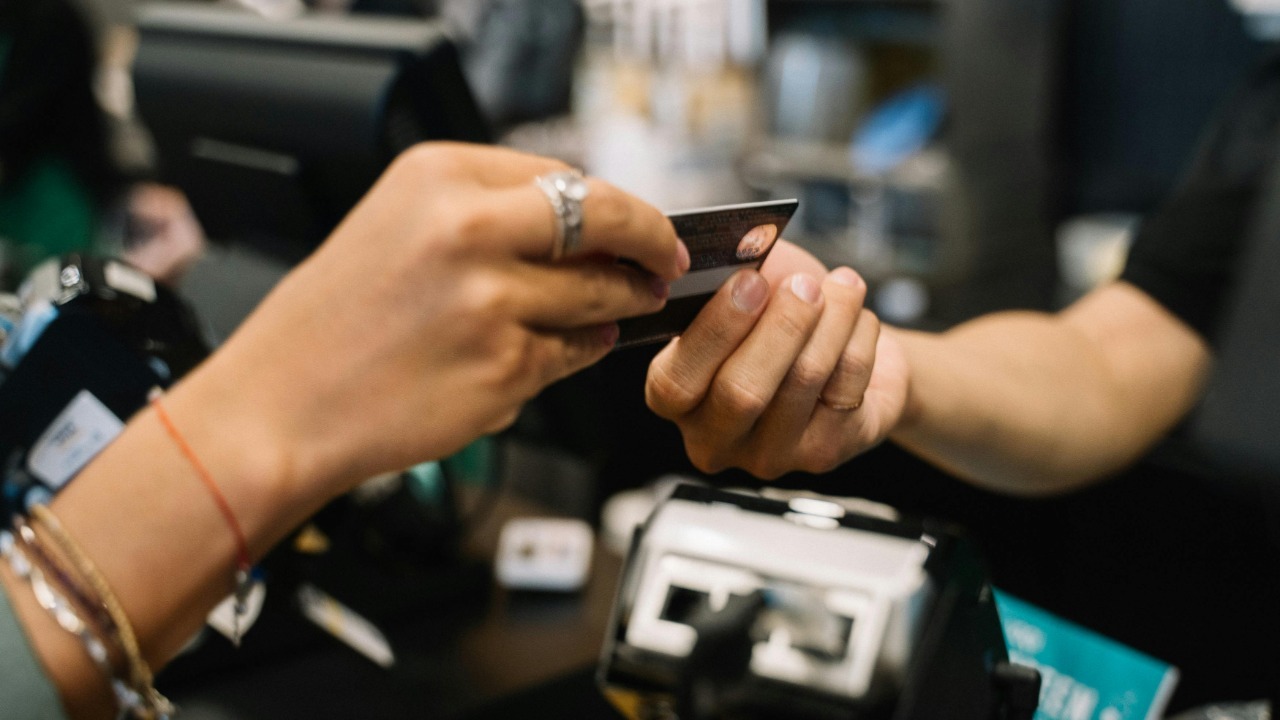
Debit cards pull cash straight from your checking account, so a single bad transaction can drain real money in real time. I think twice before swiping in certain places, because reporting on dangerous locations for card use shows how quickly fraud, skimming, and data leaks can escalate. Here are 10 specific spots where using a debit card can be far riskier than it looks at first glance.
1) Gas Stations
Gas stations are a classic trap for debit users, because outdoor pumps are easy targets for hidden skimming devices that copy card data and PINs. The risk is serious enough that gas stations appear among the 8 most dangerous places to use your debit card, with skimmers quietly harvesting information while drivers rush through fill-ups. Once a criminal has that data, they can clone your card or make online purchases that hit your checking account directly.
Using a credit card or a mobile wallet at the pump shifts more of that risk away from your bank balance. I also look for pumps closest to the store entrance, where staff are more likely to notice tampering, and I avoid any card reader that looks loose, misaligned, or oddly bulky. When possible, paying the cashier inside with a different payment method can sharply cut the odds that a quick gas stop turns into a costly fraud dispute.
2) ATMs
ATMs, especially outdoor or unbranded machines, are another high-risk setting for debit cards because they combine skimmers with tiny cameras that capture PIN entries. Travel safety guidance notes that this kind of skimming has made outdoor, unsecured ATMs one of the most dangerous places to swipe a debit card, and similar concerns are echoed in lists of the debit card risk activities many people do without thinking. Once thieves have both card data and PIN, they can empty an account at other machines before you notice.
To reduce that risk, I favor ATMs attached to major banks, inside branches, or in well-monitored locations. Covering the keypad with my hand, tugging on the card slot to check for loose overlays, and avoiding machines with odd screens or error messages are simple habits that matter. Because debit withdrawals hit cash balances instantly, a compromised ATM visit can be far more damaging than a similar incident on a credit card with stronger dispute protections.
3) Restaurants
Restaurants are risky for debit cards because they are one of the few places where your card routinely leaves your sight. That concern is reflected in guidance that lists Restaurants as a setting where cardholders should think carefully about using debit, since servers often carry cards away to a back terminal. In that gap, a dishonest worker with a portable skimmer can copy your information in seconds without raising suspicion.
There is also the issue of tips and holds, which can temporarily lock up more money than the final bill, increasing the chance of overdrafts if your balance is tight. I prefer to pay with a credit card or a tap-to-pay wallet at the table, so the card never disappears into the kitchen. When a restaurant still relies on old-style swiping out of view, I weigh whether the convenience of using debit is worth the potential for cloned cards and disputed charges.
4) Convenience Stores
Convenience stores combine quick transactions, crowded counters, and sometimes minimal oversight, which together create fertile ground for unnoticed fraud. They are flagged among the 8 most dangerous places to use your debit card, in part because high customer turnover makes it easier for criminals to install skimmers on standalone terminals without being spotted. A compromised reader can quietly capture card data from hundreds of rushed customers in a single day.
Because many convenience stores also host in-store ATMs, lottery machines, or self-checkout kiosks, there are multiple points where a debit card might be swiped or inserted. I watch for loose keypads, mismatched colors on card slots, or terminals that look different from others in the same store. When something feels off, I switch to cash, credit, or a mobile wallet, since a small snack run is not worth exposing my checking account to a large unauthorized withdrawal.
5) Online Retailers
Online retailers are a major no-go zone for debit cards, because any breach of stored payment data can drain real money from your bank account. Card experts explicitly list online purchases among the places you should never swipe your debit card, warning that remote transactions are especially vulnerable to large-scale hacks. Unfortunately, the Web has also been described as one of the most dangerous places to make purchases, with fraudsters targeting card numbers that never physically leave your home.
Using a credit card or virtual card number online gives you stronger dispute rights and keeps thieves away from your core checking balance. I also avoid letting retailers store my debit details for “one-click” checkout, since that creates another database that could be compromised. For big-ticket items or unfamiliar sites, I treat debit as off-limits, because recovering stolen funds from a hacked online account can be slow and stressful.
6) Hotels
Hotels often place temporary authorizations on cards for incidentals, and when that card is debit, those holds can quietly tie up hundreds of dollars in your checking account. Advice on places you should never swipe your debit card highlights how these preauthorizations and delayed charges can trigger overdrafts or declined payments elsewhere. Because hotels may not release holds immediately after checkout, travelers can be left guessing how much money is actually available.
Using a credit card for the room and any deposits keeps those shifting amounts off your day-to-day cash. I still monitor statements closely, since mistaken minibar or damage fees can appear days later, but at least they do not freeze my rent or grocery money. When a hotel insists on a card for incidentals, I avoid handing over debit if there is any alternative, including a low-limit credit card reserved for travel.
7) Tipping Kiosks
Tipping kiosks, which now appear at coffee counters, food trucks, and service desks, introduce new debit risks because they blend social pressure with distracted data entry. Reporting on rising debit card fraud warns that everyday transactions are increasingly targeted, and that cardholders should protect their bank accounts from rising debit card fraud at common checkout points. When a tablet is swiveled toward you with suggested tip amounts, it is easy to tap quickly without checking totals or verifying that the device has not been tampered with.
Some kiosks also store card details for future use or route payments through third-party processors, expanding the number of systems that could leak your information. I slow down long enough to confirm the amount, look for secure connection indicators, and, when possible, use a contactless credit card instead of inserting a debit card. That way, a generous tip does not accidentally come with an invitation to unauthorized withdrawals.
8) Airports
Airports combine many of the worst conditions for debit safety, including rushed travelers, crowded terminals, and a mix of unfamiliar vendors. Lists of places you should not use your debit card specifically call out the airport, noting that card readers at gates, kiosks, and food courts can be prime spots for skimming or data theft. With people juggling bags and boarding times, few stop to inspect terminals for signs of tampering.
There is also a heightened risk of physical card loss or pickpocketing in security lines and boarding areas. I keep my wallet zipped away, avoid pulling out a debit card at every snack stop, and lean on credit or mobile wallets for necessary purchases. If a card is compromised while I am in the air, I would rather dispute charges on a credit account than discover that my checking balance vanished mid-trip.
9) Store Credit Card Application Counters
Store credit card application counters may not look like a debit risk at first, but experts warn shoppers to think twice before signing up on the spot. Reporting that experts recommend you think twice before opening a store credit card points to hidden fees, high interest, and approval processes that can expose sensitive financial details. When applications are taken at a busy checkout, there is also the risk of paperwork or digital forms being handled carelessly.
If you provide a debit card for identity verification or to set up automatic payments, that information can be stored in systems you know little about. I prefer to research any store card at home, on a secure connection, and to link it to a credit account rather than directly to my checking. The short-term lure of a sign-up discount is rarely worth the long-term exposure of handing over debit details in a crowded retail environment.
10) Loyalty App Sign-Up Terminals
Loyalty app sign-up terminals, including those tied to big brands like Starbucks, increasingly ask customers to link payment methods for faster checkout or rewards. Recent reporting explains why you might want to think twice before signing up for that loyalty app, highlighting data-sharing risks when debit cards are connected directly to rewards accounts. If the app or its partners suffer a breach, thieves can gain a direct line into your checking balance rather than just a limited rewards wallet.
Some loyalty platforms also share purchase histories and payment details across multiple merchants, widening the circle of systems that must stay secure. I still use rewards programs, but I link them to credit cards or gift cards instead of debit, and I avoid enrolling on public tablets or in-store kiosks where screens and networks are harder to trust. That way, I can collect points without putting my core bank account on the line.
More From TheDailyOverview
- Dave Ramsey says these two simple questions show whether you’re rich or poor
- Retired But Want To Work? Try These 18 Jobs for Seniors That Pay Weekly
- IRS raises capital gains thresholds for 2026 and what’s new
- 12 ways to make $5,000 fast that actually work

Cole Whitaker focuses on the fundamentals of money management, helping readers make smarter decisions around income, spending, saving, and long-term financial stability. His writing emphasizes clarity, discipline, and practical systems that work in real life. At The Daily Overview, Cole breaks down personal finance topics into straightforward guidance readers can apply immediately.

