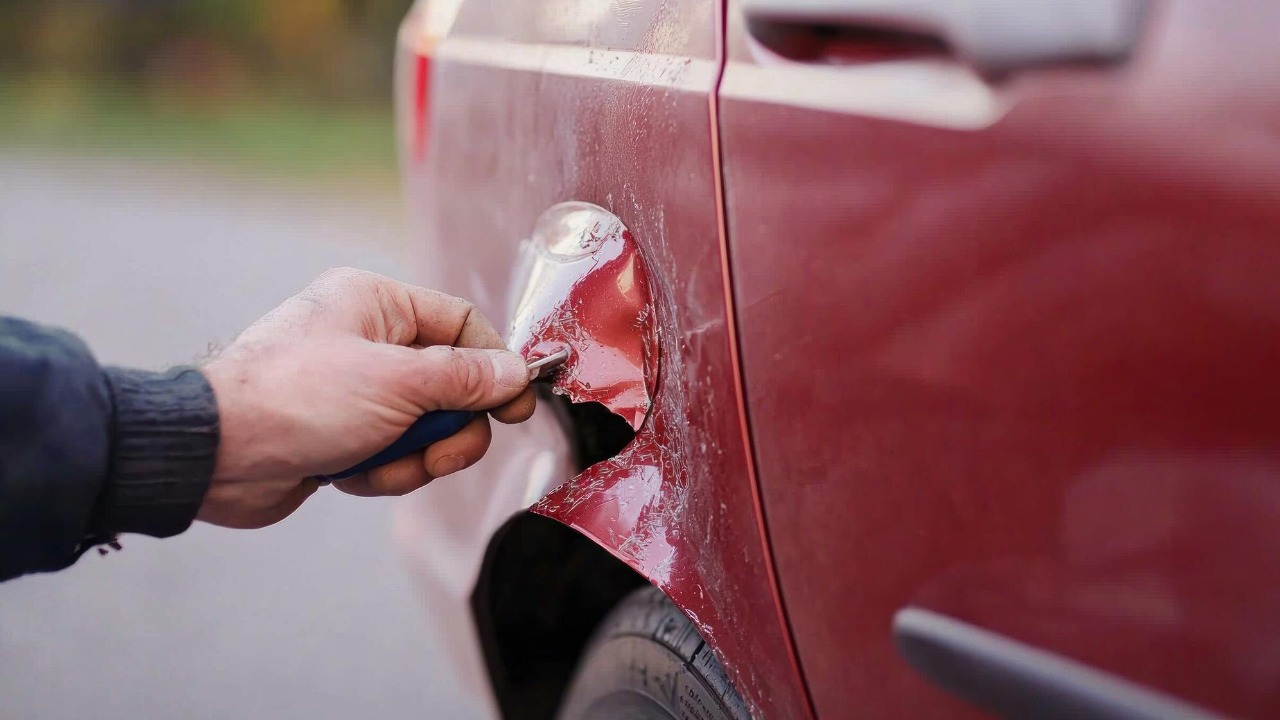
Recent reports highlight a growing concern for drivers: paint flaking off cars in large sheets, leaving unsightly patches and leading to costly repairs. This problem, affecting vehicles across the US, is causing financial strain as drivers struggle to get compensation. The issue prompts questions about manufacturing practices, paint quality, and the broader implications for car owners.
Understanding the Paint Problem

Manufacturing Defects
Manufacturing defects are increasingly being blamed for the widespread issue of paint peeling off vehicles. During the painting process, any imperfections or shortcuts taken by manufacturers can lead to significant problems down the line. Brands like Toyota and Honda have faced complaints about specific models where paint issues are more prevalent. The root cause often lies in the application process where insufficient curing time or poor surface preparation results in an unstable paint layer.
For instance, the 2010 Honda Accord and certain Toyota Camry models have been specifically highlighted for such issues. These cases are not just limited to a few isolated incidents; they reflect a broader problem that could be linked to cost-cutting measures in production.
Environmental Factors
Environmental conditions play a significant role in the integrity of automotive paint. UV exposure, temperature fluctuations, and even acid rain can exacerbate paint deterioration. Vehicles in sunny states like Arizona or those exposed to harsh winter conditions face a higher risk of paint damage. The geographical location of a vehicle can significantly affect its paint lifespan.
In areas with high sun exposure, the UV rays can break down the chemical bonds in automotive paint, causing it to lose its adhesion properties and peel off over time. Similarly, in colder climates, constant freezing and thawing can lead to cracks that allow moisture to seep in, further damaging the paintwork.
Economic Impact on Drivers
Repair Costs
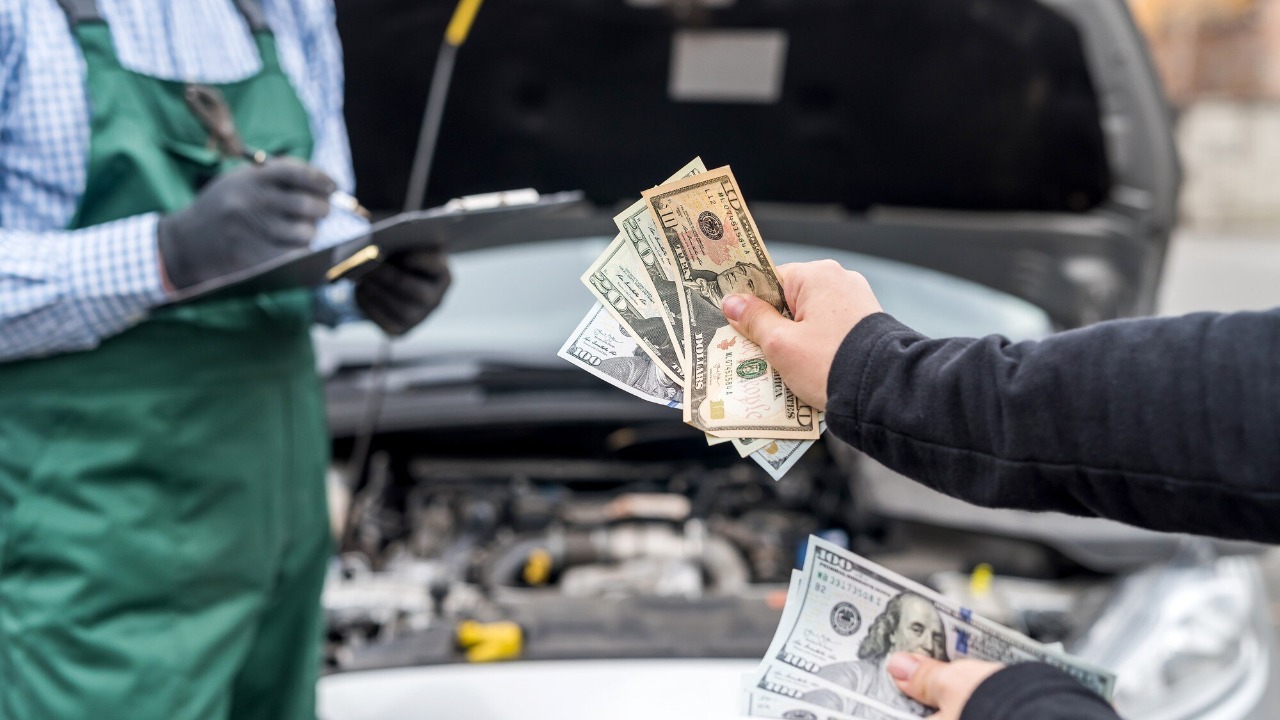
The financial burden of repainting or repairing vehicles with peeling paint is significant. Repainting a vehicle can cost thousands of dollars, depending on the extent of the damage and the quality of the repaint. This financial strain is further compounded by the depreciation of the vehicle’s resale value, as cars with paint issues are less attractive to potential buyers.
According to a MoneyWise report, drivers often find themselves spending anywhere from $500 to $5,000 on repairs. Unfortunately, these costs are often out-of-pocket, as insurance companies may not cover paint damage unless it results from an accident or vandalism.
Insurance and Compensation Challenges
Drivers face significant challenges when attempting to get insurance claims approved for paint damage. Many insurance policies do not cover wear and tear or manufacturing defects, leaving car owners without financial recourse. As a result, drivers often find themselves caught in a loop of expensive repairs and denied claims.
Legal battles have emerged as some consumers turn to the courts to seek compensation. Consumer protection agencies are increasingly stepping in to address these issues, advocating for fair treatment and accountability from both manufacturers and insurers. However, the path to resolution remains fraught with obstacles.
Quality Control and Industry Standards
Automotive Paint Standards
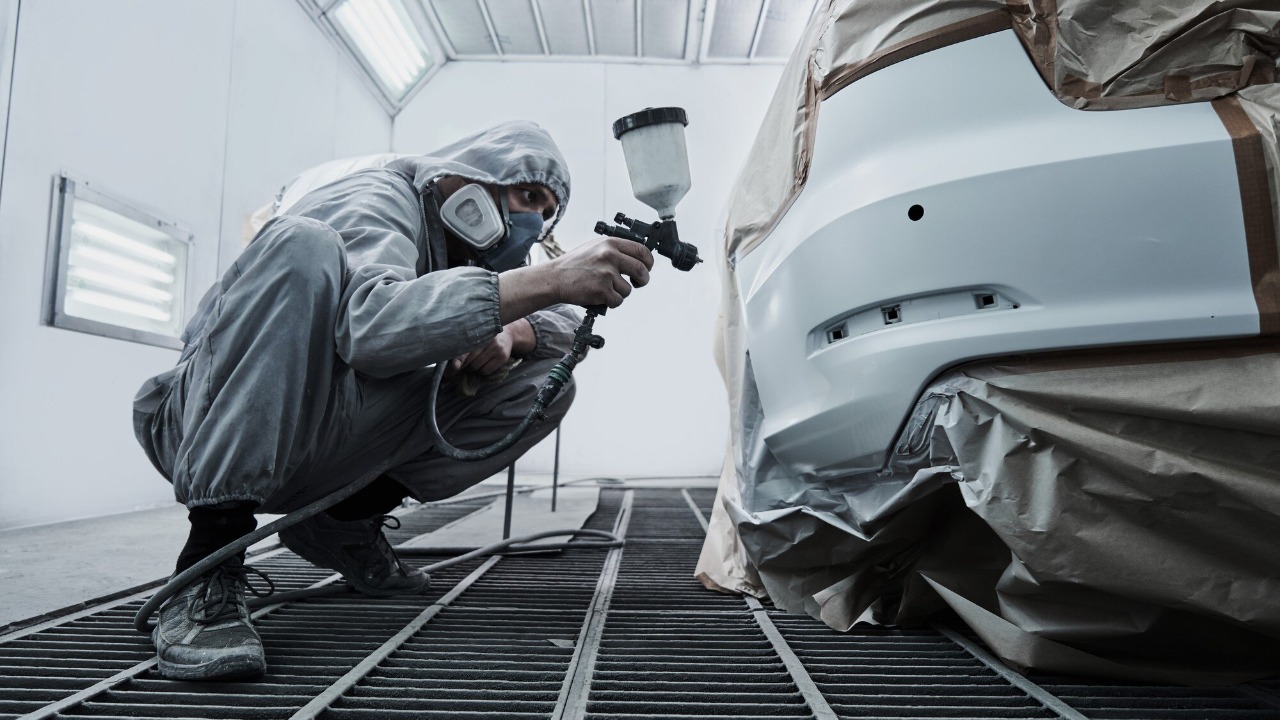
The standards for automotive paint application and quality vary significantly across the industry. In the US, standards are set by organizations like the Society of Automotive Engineers (SAE), but enforcement and compliance can be inconsistent. The global market sees a wide range of standards, with countries like Germany known for their stringent regulations.
International standards, such as those set by the International Organization for Standardization (ISO), aim to ensure consistency and quality. However, the effectiveness of these standards in preventing paint issues remains a topic of debate among industry experts and consumers alike.
Role of Manufacturers
Manufacturers play a crucial role in addressing or neglecting the paint problem. While some companies have issued recalls or offered free repairs to affected consumers, others have been less proactive. This lack of uniformity in response has left many drivers feeling unsupported and frustrated.
Investigations into manufacturing practices have revealed that some car makers are taking steps to improve their paint processes, but these efforts vary widely. The willingness of manufacturers to acknowledge and address these issues can significantly impact their brand reputation and consumer trust.
Preventative Measures for Car Owners
Maintenance Tips
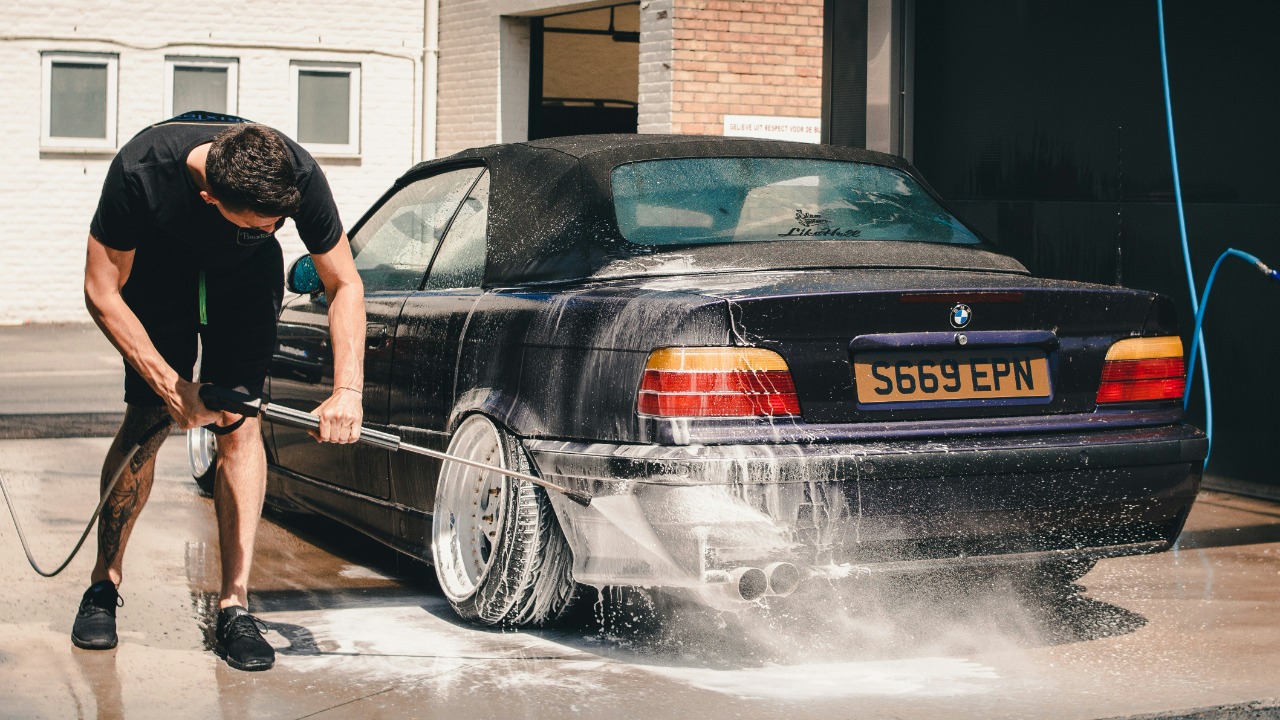
Car owners can take several preventive measures to protect their vehicle’s paint from environmental damage. Regular washing and waxing can help create a protective barrier against harmful UV rays and contaminants. Using high-quality car care products can also make a difference in maintaining paint integrity.
For those living in areas with extreme weather conditions, using a car cover or parking in shaded areas can help reduce exposure to damaging elements. Proper maintenance can extend the life of a vehicle’s paint, ultimately saving money on costly repairs.
Advocating for Change
Consumers have a significant role to play in advocating for stricter quality controls and transparency from manufacturers. By voicing concerns and demanding accountability, drivers can push for improvements in industry standards. Joining consumer rights organizations can provide support and resources for those facing paint issues.
Organizations like the National Highway Traffic Safety Administration (NHTSA) offer platforms for consumers to report issues, helping to hold manufacturers accountable and drive positive change in the industry.
Future of Automotive Paint Technology
Innovations in Paint Technology
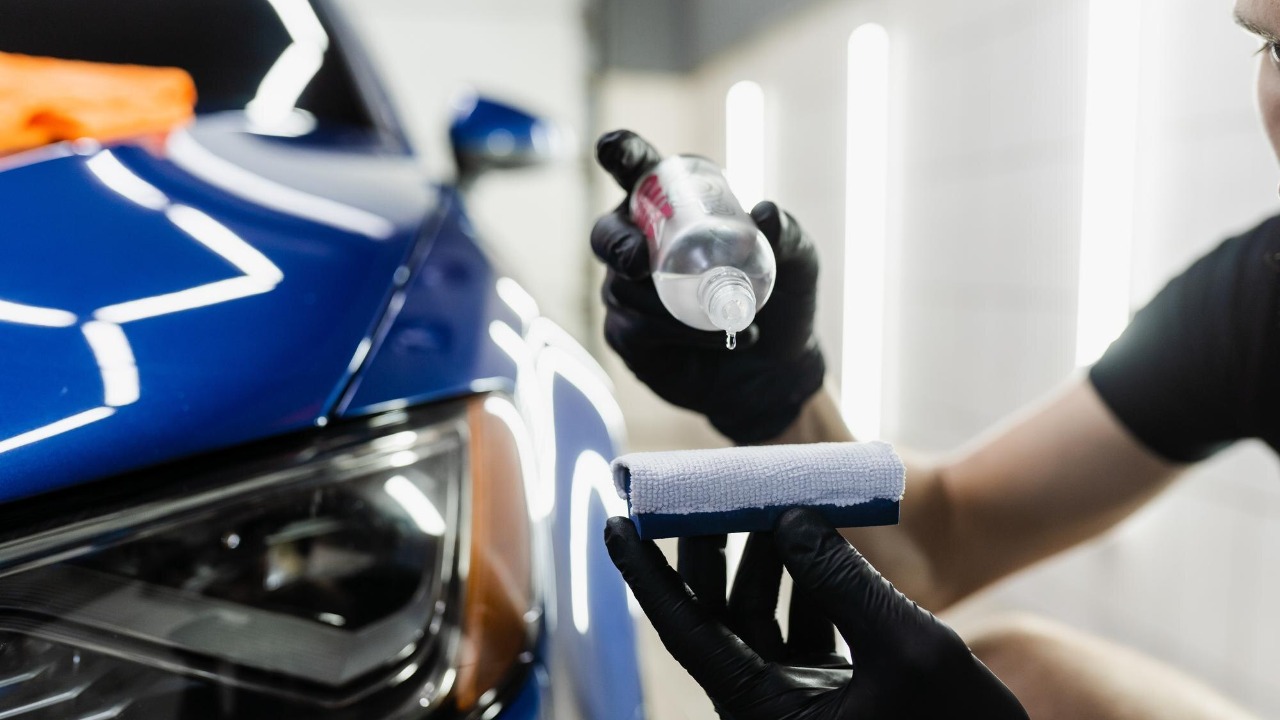
Recent advancements in paint formulations promise better durability and environmental resistance. Innovations such as ceramic coatings and self-healing paint are gaining popularity, offering enhanced protection and longevity. These technologies could potentially revolutionize the way automotive paint is applied and maintained.
Emerging technologies like nanotechnology are also being explored, offering the potential for paints that are not only more durable but also more environmentally friendly. These advancements represent a promising future for automotive paint technology, with the potential to significantly reduce the incidence of peeling paint.
Sustainability and Environmental Considerations
The push towards eco-friendly paint options is gaining momentum as manufacturers and consumers alike become more aware of the environmental impact of traditional paint processes. Water-based paints and low-VOC (volatile organic compounds) options are becoming more prevalent, offering a more sustainable alternative.
The challenge lies in balancing cost, quality, and environmental impact. As the industry evolves, the focus will likely shift towards solutions that prioritize sustainability without compromising on performance or affordability. These developments could play a crucial role in reducing future paint issues and enhancing consumer satisfaction.

Cole Whitaker focuses on the fundamentals of money management, helping readers make smarter decisions around income, spending, saving, and long-term financial stability. His writing emphasizes clarity, discipline, and practical systems that work in real life. At The Daily Overview, Cole breaks down personal finance topics into straightforward guidance readers can apply immediately.

