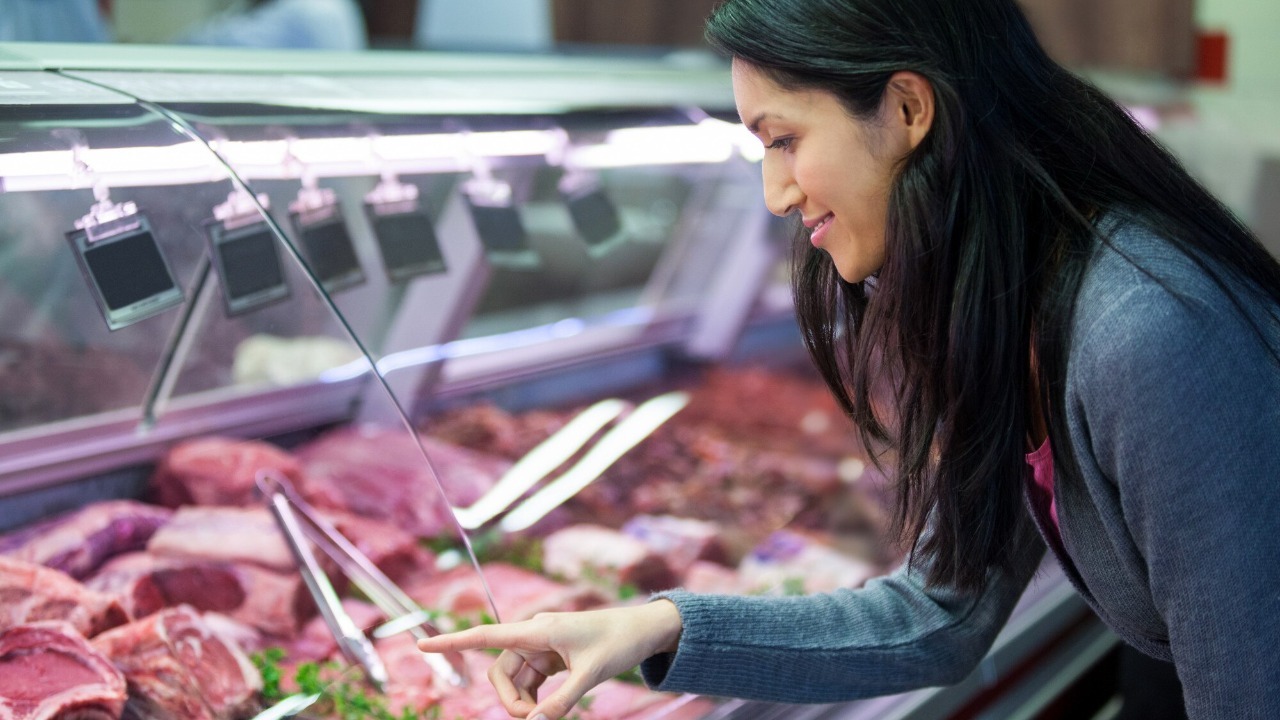
Beef, the protein that anchors everything from backyard burgers to Sunday pot roasts, is brushing up against record prices just as Americans are piling more of it into their carts. Instead of trading down, shoppers are treating beef like a non‑negotiable, even as household budgets strain under broader inflation. That tension between sticker shock and stubborn demand is quietly reshaping the cattle business, food policy fights and the future of what ends up on the dinner plate.
What looks like a simple story about pricey steaks is really a stress test of the entire food system. Drought, shrinking herds and global trade are colliding with cultural habits and cravings that are hard to break. The result is a market where ranchers, processors, the White House and consumers are all pulling in different directions, while the cost of a pound of ground chuck becomes a proxy for deeper economic and political anxieties.
Beef prices near records, yet demand keeps climbing
Retail beef prices are hovering just shy of historic highs, the product of tight cattle supplies and persistent inflation in everything from feed to freight. In a typical cycle, that kind of price spike would push shoppers toward cheaper proteins, but the current pattern looks different. Americans are not just tolerating the higher cost, they are buying more beef than before, turning what might have been a temporary blip into a structural test of how much households are willing to pay to keep familiar meals on the table.
Reporting earlier this year described how beef prices soar even as Americans reach for steaks and burgers with undiminished enthusiasm. That same coverage noted that the cost pressures are severe enough that the White House has weighed an executive order aimed at consumer relief, a sign that the issue has moved from supermarket aisles into national politics. When a single grocery staple forces that kind of response, it signals that the market is not behaving the way economists would expect.
The supply squeeze: drought, herd cuts and processing bottlenecks
The core of the price problem is brutally simple: there are fewer cattle headed to slaughter than the market demands. Years of drought in key ranching states have scorched pastures and driven up feed costs, pushing ranchers to cull herds and sell animals earlier than planned. Once those breeding animals leave the system, it takes years to rebuild numbers, which means today’s tight supply is the delayed consequence of weather and cost decisions made long before the latest grocery bill arrived.
Analysts point to this thinning of the national herd as the biggest factor behind the current spike, describing how the biggest factor behind is the supply challenges facing the United States cattle sector. Those constraints are magnified by processing bottlenecks, where a small number of large meatpackers dominate slaughter and packing capacity. When drought thins herds at the same time that labor shortages and plant slowdowns limit throughput, the result is a classic squeeze: less beef moving through the system and more dollars chasing each pound that makes it to the meat case.
Why Americans keep choosing beef over cheaper proteins
On paper, the rational move for a family watching prices climb would be to swap beef for chicken thighs or pork shoulder. In practice, cultural habits, taste and occasion are proving more powerful than textbook economics. Beef is still the centerpiece of iconic American meals, from summer cookouts to game‑day chili, and those rituals are hard to rewrite. Many shoppers appear to be cutting back elsewhere in their budgets rather than give up the foods that feel most like home.
Consumer data cited by Amanda Macias shows that even with prices elevated, Americans are buying more Beef than ever instead of shifting decisively toward alternatives like chicken, pork and seafood. That pattern suggests beef is functioning less like a discretionary treat and more like a staple, especially for households that build weekly menus around tacos, burgers and roasts. It also hints at a psychological effect: when everything feels more expensive, some consumers decide they might as well buy what they really want, even if it means absorbing a little more pain at the register.
Ranchers, imports and a political fight over who pays
While shoppers wrestle with higher bills, ranchers are fighting a different battle over who benefits from those lofty prices. Many producers argue that they are not seeing the gains they would expect from record retail tags, because the spread between what packers pay for cattle and what consumers pay for beef has widened. That frustration has sharpened into anger over foreign beef imports, which some ranchers say are undercutting domestic producers already strained by drought and high input costs.
Earlier this year, Farmers and industry advocates warned that foreign shipments were arriving just as local herds shrank, a combination they say worsens mounting losses for U.S. operations. R‑CALF USA CEO Bill Bullard, who has become a prominent critic of current trade policy, used a national television appearance to argue that Farmers push back because they believe those imports suppress the 5‑market steer price that underpins much of the domestic market. The White House, for its part, has signaled interest in consumer relief, a stance that could favor more imports in the short term, even if it deepens the rift with ranchers who see themselves as collateral damage.
The household squeeze and who feels it most
For wealthier households, higher beef prices are an annoyance, not a crisis. For low‑income families, they can be the difference between serving a familiar meal and reworking the entire week’s menu. When a pound of ground beef jumps beyond reach, it is not just protein that disappears from the plate, it is often the cheapest way to stretch a pot of spaghetti sauce or a tray of enchiladas across several nights. That is why food banks and school meal programs watch beef prices closely: they are a leading indicator of how far assistance dollars will go.
Advocates for anti‑hunger programs warn that the current spike risks widening nutritional gaps, as higher‑income shoppers keep buying steaks while lower‑income families pivot to ultra‑processed fillers. The political focus on broad consumer relief, including talk of an executive order tied to Beef prices, reflects an understanding that food inflation is not evenly distributed. Yet the debate often centers on ranchers and retailers, leaving the lived reality of shoppers who rely on discount chains and food pantries underexplored.
What the demand surge means for climate and alternatives
There is another cost embedded in America’s renewed appetite for beef, and it does not show up on the receipt. Cattle are among the most greenhouse‑gas‑intensive foods we produce, and expanding or even maintaining current levels of consumption locks in higher emissions for years. When drought already strains water supplies and pastureland, doubling down on a resource‑heavy protein is like running the air conditioner with the windows open: comfortable in the moment, but expensive in the long run.
That tension is one reason investors have poured money into plant‑based and lab‑grown meat, betting that a mix of climate concern and sticker shock would push consumers toward alternatives. So far, the resilience of beef demand suggests that price alone is not enough to drive a mass shift, at least not yet. If anything, the current pattern implies that any serious dent in beef’s dominance will require products that match its flavor and versatility, not just its protein content, and that can compete even when cattle prices eventually ease.
Forecasts, flawed assumptions and what happens next
Many early takes on the beef surge assumed that shoppers would quickly hit a breaking point, then pivot en masse to cheaper meats. The data so far undercuts that narrative. Despite rising costs from the ranch to the checkout line, reporting has highlighted that Americans are buying more beef, a phrase that captures both the stubbornness of demand and the limits of simple price elasticity models. The dominant assumption that high prices automatically cure high prices looks shaky when the product in question is woven into national identity as tightly as beef is in the United States.
Looking ahead, the most plausible scenario is a slow, uneven adjustment rather than a sudden collapse in demand. If drought conditions persist and herds remain thin, prices are likely to stay elevated, nudging some consumers toward more chicken and pork while others treat beef as an occasional splurge. At the same time, sustained high prices could give alternative proteins a longer runway to improve and gain market share, especially among younger shoppers who are more open to experimentation. The real test will be whether that gradual shift can happen fast enough to ease pressure on ranchers, household budgets and the climate, or whether the country will simply learn to live with expensive steaks as the new normal.
More From The Daily Overview
*This article was researched with the help of AI, with human editors creating the final content.

Cole Whitaker focuses on the fundamentals of money management, helping readers make smarter decisions around income, spending, saving, and long-term financial stability. His writing emphasizes clarity, discipline, and practical systems that work in real life. At The Daily Overview, Cole breaks down personal finance topics into straightforward guidance readers can apply immediately.

