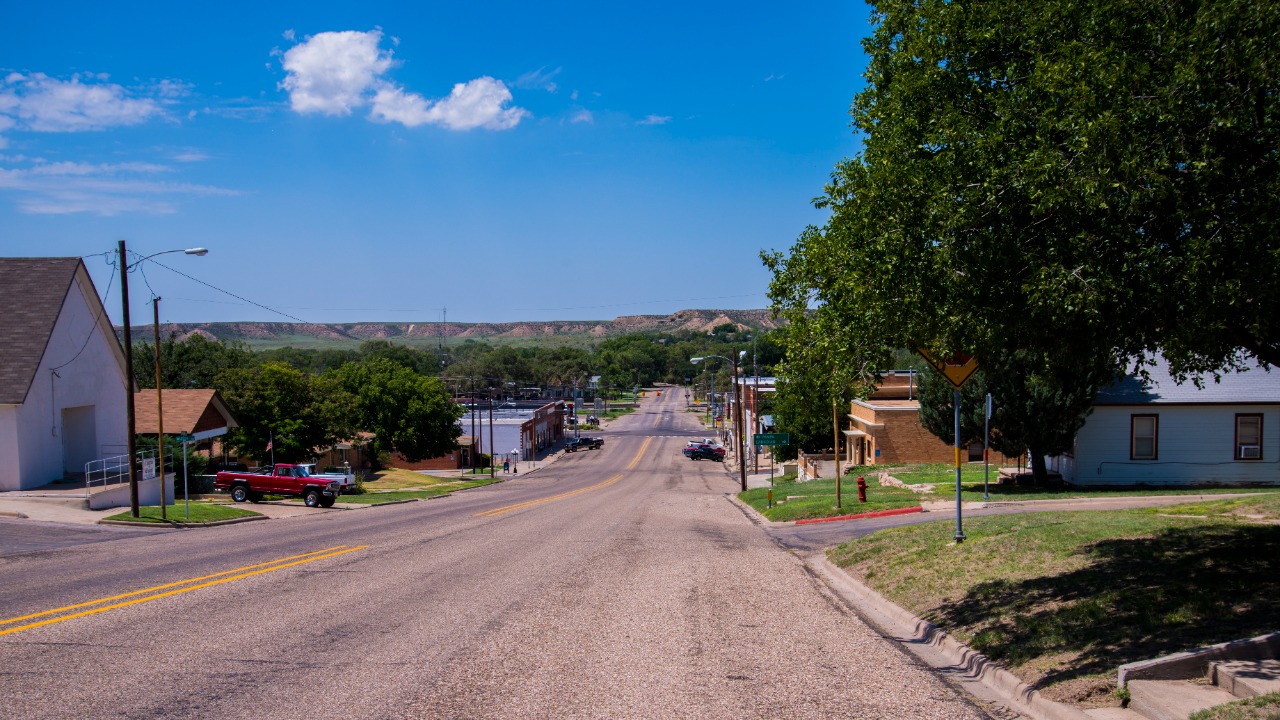
A new report highlights Miami, Texas, as having the most affordable land across the entire state, drawing attention to unique market dynamics in this small town. This positioning stands out amid broader economic and environmental pressures influencing property values. The USAFacts analysis titled “Where do tornadoes do the most damage?” examines tornado impacts beyond traditional alley states, potentially tying into risk factors for areas like Miami.
Affordability Landscape in Miami
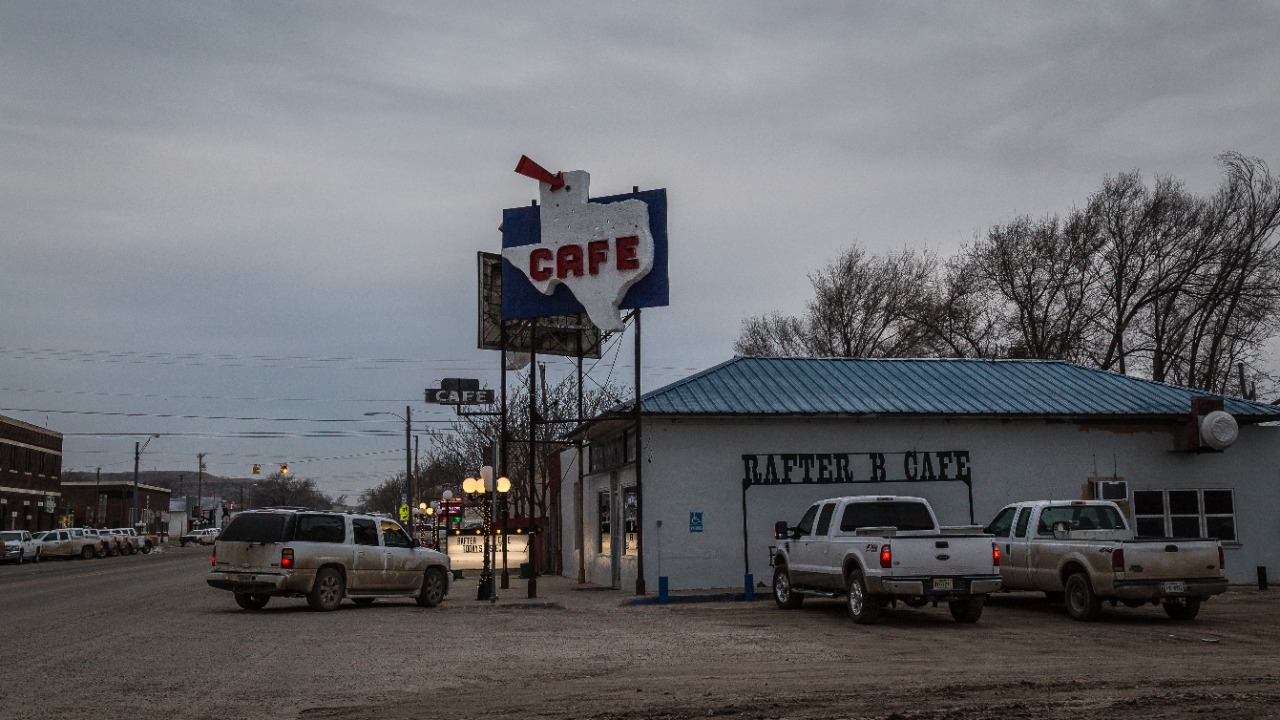
Miami, Texas, currently boasts the lowest land prices in the state, with average per-acre costs significantly undercutting those in more urbanized areas. Recent sales data indicate that the town’s land remains a bargain, driven by its economic reliance on agriculture and limited commercial development. These factors contribute to a sustained low valuation, making Miami an outlier in the Texas real estate market.
When compared to state averages, Miami’s affordability index starkly contrasts with the higher costs seen in metropolitan areas. The town’s economic landscape, characterized by its agricultural base and minimal urban sprawl, plays a crucial role in maintaining these low prices. This affordability is particularly appealing to potential buyers looking for investment opportunities in Texas’s rural heartland.
Furthermore, the town’s affordability is bolstered by its relatively low property taxes compared to urban counterparts, which can significantly reduce the overall cost of land ownership. This financial advantage is particularly attractive to retirees and young families seeking a quieter lifestyle without the financial burden of city living. Additionally, Miami’s community-focused initiatives, such as local agricultural fairs and small business incentives, enhance its appeal by fostering a supportive environment for new residents and entrepreneurs.
Environmental Risks Impacting Land Values

The USAFacts article, “Where do tornadoes do the most damage?”, explores the frequency of tornadoes in Texas, a factor that can influence land values in vulnerable rural areas like Miami. While the report does not directly link tornado activity to land prices, the prevalence of such natural events in Texas is a consideration for potential land buyers.
Historically, tornadoes have impacted rural Texas communities, contributing to a perception of risk that can affect property values. Although specific data on Miami’s past tornado events and their direct effects on land prices are not detailed in the report, the general trend of tornado activity in the state suggests a potential influence on the real estate market in these areas.
In addition to tornadoes, Miami’s land values are also influenced by other environmental factors such as drought and flooding, which are prevalent in certain parts of Texas. These conditions can impact agricultural productivity, a key component of Miami’s economy, thereby affecting land desirability and value. Prospective buyers must weigh these environmental risks against the benefits of affordable land, considering long-term climate trends and their potential impact on property investments.
Comparative Analysis Across Texas
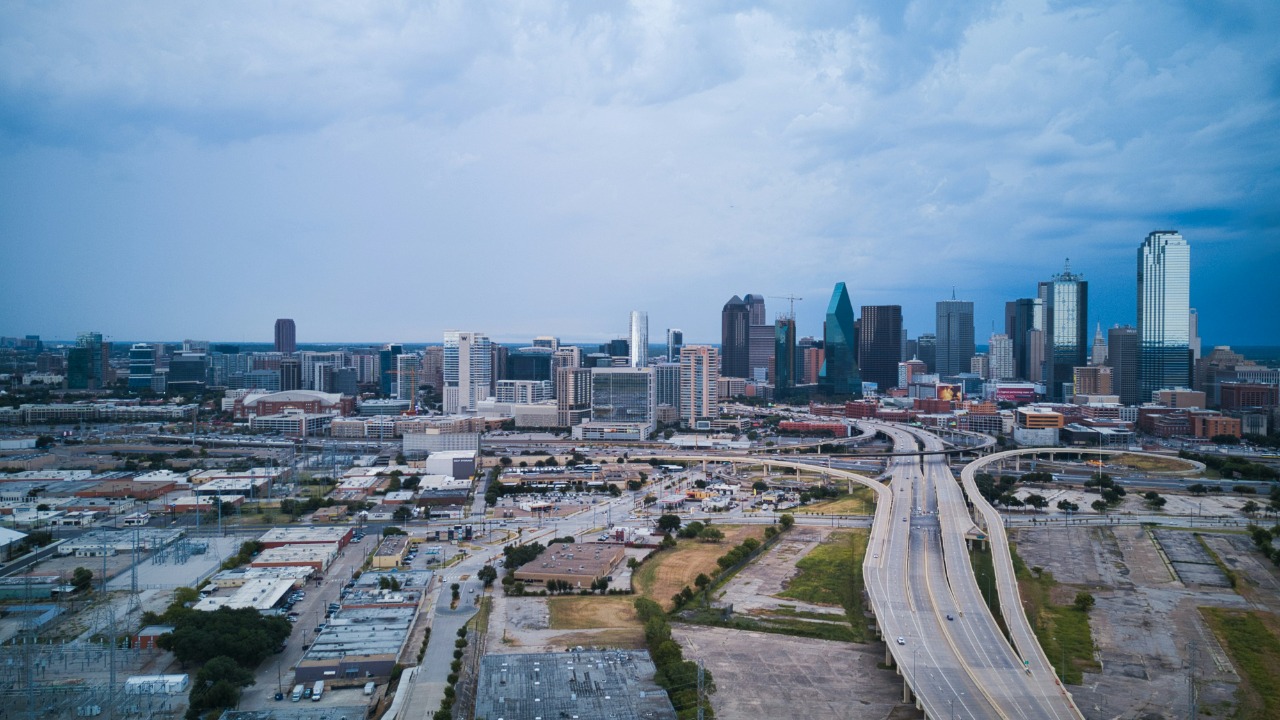
When comparing land affordability across Texas, Miami stands out against cities like Dallas and Houston, where land prices are significantly higher. The urban-rural divide is evident, with Miami’s isolation amplifying its cost advantages. This disparity highlights the economic and lifestyle differences between
Texas’s bustling urban centers and its quieter rural towns.
State-wide real estate trends over the past year show a general increase in property values, yet Miami’s land remains competitively priced. This affordability, coupled with the town’s rural charm, positions Miami as a unique opportunity for those seeking land in Texas without the high costs associated with urban areas.
Beyond the urban-rural price gap, Miami’s land market is also shaped by regional economic activities, such as oil and gas exploration, which can fluctuate and impact local economies differently than in metropolitan areas. This economic variability can lead to unique investment opportunities, as land prices in rural areas like Miami may not follow the same upward trends seen in cities. Investors looking for diversification might find Miami’s land market appealing due to its potential for both agricultural and energy sector developments.
Opportunities and Challenges for Buyers
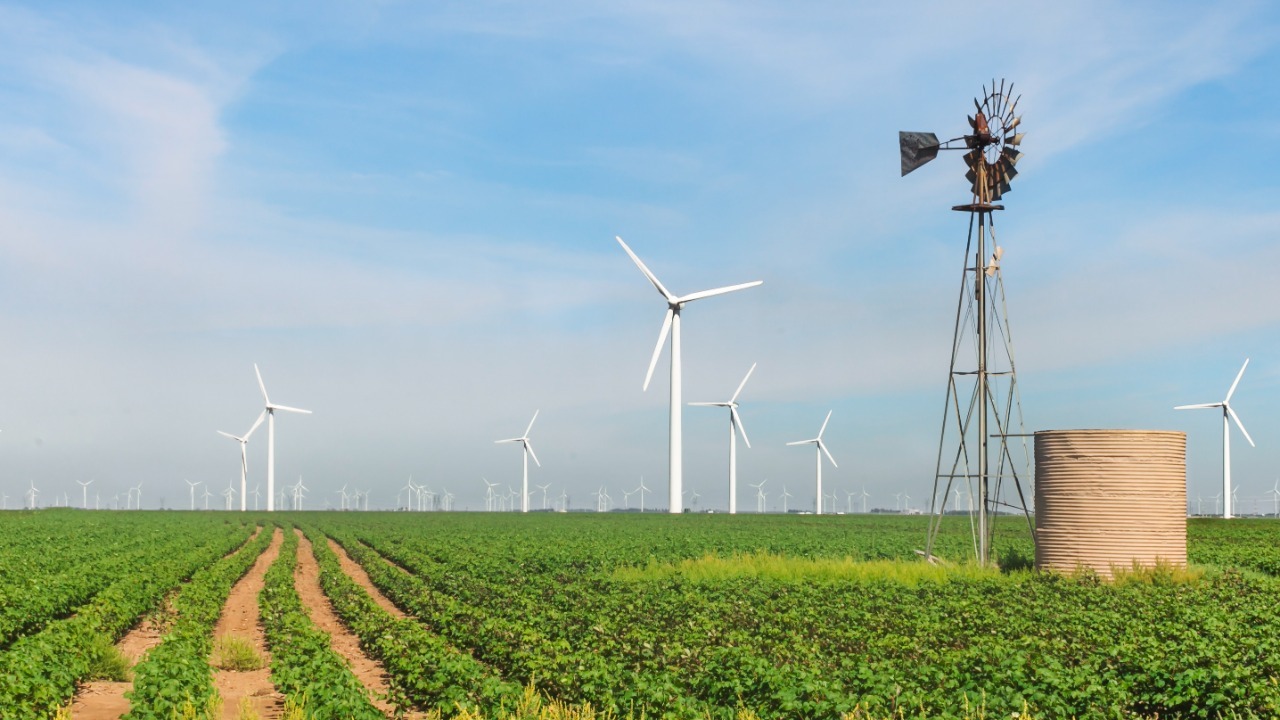
Investing in Miami’s land presents potential upsides, including the prospect of growth despite environmental risks. Buyers can explore opportunities in agriculture or rural development, leveraging the town’s low entry costs. However, they must also consider mitigation strategies for environmental hazards, such as securing appropriate insurance for tornado-prone areas.
Looking ahead, Miami’s affordability may evolve based on Texas’s ongoing development patterns and climate influences. As the state continues to grow, Miami’s position as a cost-effective land option could attract more interest, balancing the challenges of environmental risks with the benefits of rural investment.
Moreover, Miami’s strategic location within Texas offers logistical advantages for agricultural exports, potentially increasing the land’s value for farming enterprises. Buyers interested in sustainable practices can also explore eco-friendly farming techniques that mitigate environmental risks while enhancing land productivity. However, navigating the local regulatory landscape and understanding zoning laws are crucial steps for buyers to ensure their investments align with long-term goals and community standards.

Elias Broderick specializes in residential and commercial real estate, with a focus on market cycles, property fundamentals, and investment strategy. His writing translates complex housing and development trends into clear insights for both new and experienced investors. At The Daily Overview, Elias explores how real estate fits into long-term wealth planning.

