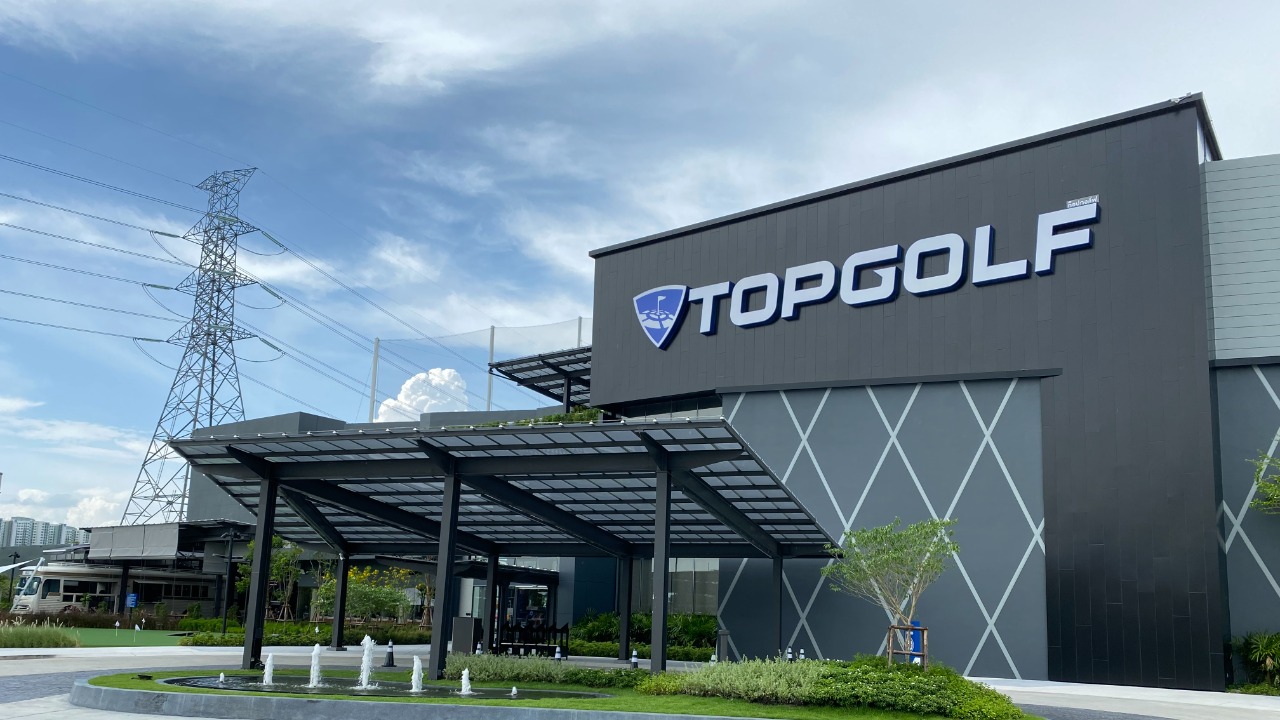
Topgolf is changing hands again, this time with a Los Angeles private equity owner stepping in at a valuation of $1.1 billion that crystallizes just how much the once high‑flying concept has come back to earth. The deal, which gives a financial sponsor control of the tech‑driven driving range chain while its former parent refocuses on core equipment, marks a sharp reset for one of the most visible brands in modern sports entertainment.
I see this transaction as a turning point for both sides: a chance for Topgolf to chase growth under a new capital structure and an admission by its seller that the bold bet it made on experiential venues did not deliver the returns it expected. The numbers, the timing and the structure of the sale all tell a story about how quickly investor sentiment can swing when interest rates rise and expansion costs bite.
The $1.1 billion deal and who is buying Topgolf
The basic contours are straightforward: Topgolf Callaway Brands has agreed to sell a majority stake in its Topgolf business to funds managed by Leonard Green & Partners, a Los Angeles based private equity group, in a transaction that values the unit at $1.1 billion. The company said on Nov 17, 2025 that the agreement would transfer control of the venues while leaving the publicly traded parent with a significant minority interest, a structure that lets it participate in any upside while handing operational control to the new owner, according to the official TOPGOLF CALLAWAY BRANDS ANNOUNCES AN AGREEMENT. That $1.1 billion figure is not just a headline number, it is the market’s verdict on what the concept is worth today after years of heavy build‑out.
Reporting on the transaction has consistently pegged the price tag at $1.1 billion and framed it as a sale of a majority stake rather than a full exit, with coverage on Nov 17, 2025 describing how Topgolf Callaway Brands is selling a majority stake of its Topgolf business to a private equity firm for $1.1 billion while retaining a foothold in the company it helped scale, a structure highlighted in analysis of $1.1 billion. Additional deal details describe how funds managed by Leonard Green will acquire a 60% stake in Topgolf, with Nov 18, 2025 coverage noting that Instead, Tuesday’s announcement will see Leonard Green take that 60% slice and value the business at approximately $1.1 billion, according to a breakdown of the 60% stake. In other words, the LA buyer is not just writing a big check, it is taking clear control.
Why Callaway is unwinding its Topgolf bet
For the seller, this is as much about strategic retreat as it is about raising cash. Callaway originally pitched Topgolf as a way to diversify beyond clubs and balls into a recurring, experience‑driven business that could introduce new players to the game, but the sale at a $1.1 billion valuation signals that the acquisition did not meet its financial expectations. Commentary on Nov 18, 2025 framed the move bluntly, with one analysis under the headline Callaway Unwinds Sub Par Acquisition of Topgolf noting that the deal values Topgolf at $1.1 billion, roughly half of what Callawa paid when it agreed to buy the business, a stark reminder of how far sentiment has shifted since that earlier transaction, as detailed in the piece titled Callaway Unwinds Sub. Less than five years after agreeing to acquire Topgolf for $2 billion, Callaway is now selling a 60% stake in the business, a reversal that underscores how rising construction costs and a tougher financing environment have squeezed the economics of large format venues, as described in a Nov 18, 2025 breakdown that notes Less than five years after agreeing to acquire Topgolf for $2 billion, Callaway is selling a 60% stake in the business at a valuation that is roughly half of Callaway’s 2020 purchase price, a shift captured in the analysis of Less.
The company is also using the sale to pivot back toward its roots. Coverage on Nov 18, 2025 explains that the deal is expected to close in early 2026 and that after that, Topgolf Callaway Brands plans to revert to the simpler Callaway identity and adjust its stock ticker accordingly, a move that signals a renewed focus on golf equipment and related brands rather than operating a sprawling venue network, according to reporting on how Topgolf Callaway Brands is selling the stake as the brand shifts back to golf equipment. In that context, the sale looks less like a one off portfolio move and more like a reset of corporate identity, with the company effectively admitting that running a global chain of entertainment venues is a very different business from designing drivers and irons.
How the structure reshapes Topgolf’s future
For Topgolf itself, the new ownership structure could be both liberating and demanding. With Leonard Green & Partners taking a 60% stake, the company will be under pressure to deliver the kind of cash flow and disciplined expansion that private equity investors expect, even as it continues to invest in technology, food and beverage, and new locations. Nov 18, 2025 analysis of the rise and fall of the concept notes that Callaway is selling a 60% stake in the business, a figure that effectively hands control to the LA firm and sets up a classic sponsor‑backed growth story in which the majority owner pushes for operational efficiencies and targeted new builds, a dynamic spelled out in the discussion of the 60% sale. At the same time, the seller’s decision to retain a minority interest means both sides share an incentive to keep the brand expanding, even if the pace of new openings slows compared with the pre‑pandemic boom.
Official communications from the parent company emphasize that the agreement is designed to support the continued growth of Topgolf while simplifying the rest of the portfolio. The Nov 17, 2025 announcement from TOPGOLF CALLAWAY BRANDS ANNOUNCES AN AGREEMENT describes how the company expects the transaction to unlock value and notes that it will be holding an investor call to discuss the deal and its implications for the broader business, a level of detail that underscores how central the sale is to its future strategy, as laid out in the AGREEMENT. Additional coverage on Nov 17, 2025 reports that Topgolf Callaway sells majority stake in the unit at a $1.1 billion valuation and quotes Topgolf Callaway Brands CEO Chip Brewer on how the structure is intended to let the company benefit from Topgolf’s continued rise while reducing its capital burden, a rationale detailed in the Topgolf Callaway transaction summary. In practice, that means Topgolf will now answer to a financial sponsor that specializes in consumer and retail investments, while its former parent steps back into a more traditional supplier role.
What the valuation says about the market
The $1.1 billion price tag is striking because it effectively cuts Topgolf’s value in half compared with the roughly $2 billion Callaway agreed to pay less than five years ago. That compression reflects a broader reset in how investors view capital intensive, experience‑driven concepts in a world of higher interest rates and more cautious consumer spending. Nov 18, 2025 commentary under the banner Callaway Unwinds Sub Par Acquisition of Topgolf points out that the deal values Topgolf at $1.1 billion, roughly half of what Callawa paid, and frames the sale as a case study in how aggressive expansion, rising construction costs and shifting leisure habits can erode the premium once attached to buzzy venue brands, a perspective captured in the analysis of $1.1 billion. That same theme runs through other coverage that notes how the valuation is approximately $1.1 billion and that Callaway has sold a majority stake, reinforcing the idea that the market is now pricing Topgolf more like a mature, capital heavy operator than a high growth tech company, as outlined in the description of the business being valued at approximately $1.1 billion.
At the same time, the fact that a firm like Leonard Green & Partners is willing to pay that price and take a 60% stake suggests there is still significant confidence in the long term appeal of the concept. Nov 18, 2025 reporting on the sale notes that Topgolf was sold to Leonard Green & Partners for $1.1 billion and that the transaction is expected to close in the first quarter of 2026, a timeline that indicates both sides see a clear path to regulatory and financing approvals and that the buyer believes it can generate attractive returns from the business at this entry point, as detailed in coverage of how Topgolf was sold to Leonard Green & Partners for $1.1 billion. In that sense, the valuation is not just a markdown on Callaway’s original bet, it is also a fresh starting line for a new owner that believes it can tune the model, manage costs and keep the bays full enough to make the numbers work.
What comes next for golfers, guests and investors
For everyday golfers and casual guests, the immediate impact of the deal is likely to be subtle. Venues will keep operating, the touchscreen games will still track ball flights, and the food and drink menus will continue to anchor social outings and corporate events. The bigger changes will play out behind the scenes, in how aggressively the new majority owner pushes for expansion into new markets, how it manages pricing and promotions, and how it balances capital spending on new builds against upgrades to existing sites, all under the watchful eye of a seller that still owns a meaningful minority stake and wants to benefit from Topgolf’s continued rise, a dynamic described in coverage of how Topgolf Callaway Brands is selling a majority stake of its Topgolf business for $1.1 billion while emphasizing the continued growth of Topgolf in the Topgolf Callaway Brands sale. Guests may eventually notice changes in loyalty programs, partnerships or digital integrations as the new owner looks for ways to deepen engagement and drive repeat visits.
Investors, meanwhile, will be watching two separate stories unfold. On one side is the streamlined Callaway, which plans to revert to its simpler identity and focus on clubs, balls and related gear while carrying a minority stake in Topgolf as a financial asset rather than a core operating unit, a shift outlined in the Nov 18, 2025 reporting on how Topgolf Callaway Brands plans to revert to the simpler Callaway name and adjust its stock ticker after the deal closes, as described in the coverage of brand shifts back. On the other is Topgolf itself, now a majority owned portfolio company of Leonard Green & Partners, tasked with proving that a concept built on microchipped balls, climate controlled bays and shareable appetizers can still deliver private equity style returns at a time when the easy money era is over.
More From TheDailyOverview
- Dave Ramsey warns to stop 401(k) contributions
- 11 night jobs you can do from home (not exciting but steady)
- Small U.S. cities ready to boom next
- 19 things boomers should never sell no matter what

Grant Mercer covers market dynamics, business trends, and the economic forces driving growth across industries. His analysis connects macro movements with real-world implications for investors, entrepreneurs, and professionals. Through his work at The Daily Overview, Grant helps readers understand how markets function and where opportunities may emerge.