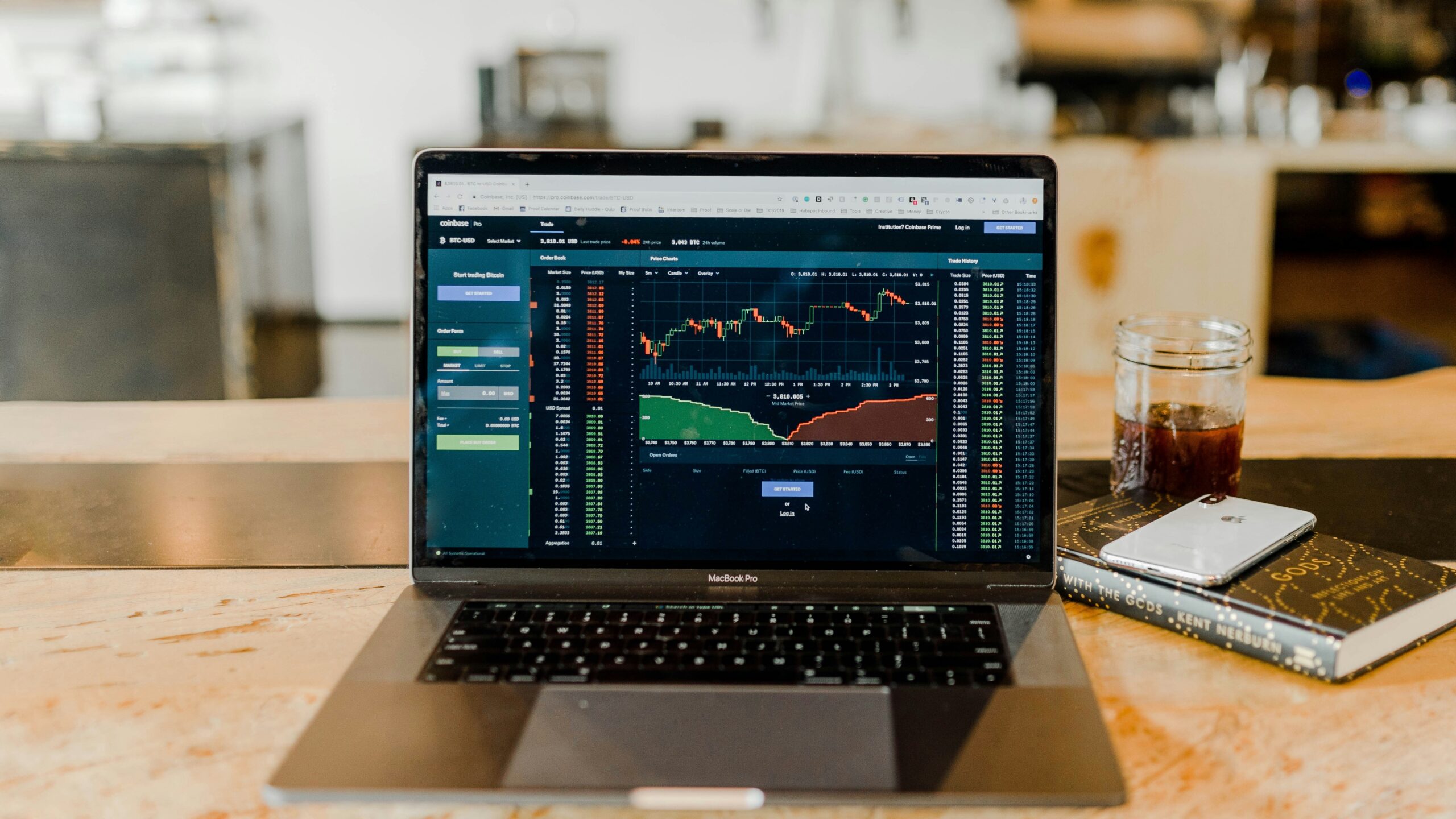
Stock market pullbacks have become a spectator sport, with traders rushing in to “buy the dip” before the opening bell finishes ringing. What started as a disciplined way to add to long term positions is morphing into an all in gamble that treats every sell off as a once in a lifetime bargain. As volatility rises and leverage creeps higher, the line between savvy opportunism and financial self harm is getting dangerously thin.
The core idea behind buying weakness is sound: if you believe in an asset’s long term value, temporary drops can be a chance to add at a discount. But when that logic turns into reflex, and when social media cheerleading replaces risk management, the strategy can stop being a tool and start looking like a loaded weapon pointed at household balance sheets.
From disciplined tactic to market religion
Veteran traders are clear that buying weakness only works when it is grounded in analysis, patience and limits, not blind faith that every chart eventually snaps back. One experienced market hand put it bluntly, saying that “buying the dip should be a disciplined strategy, not a blind religion,” and warning that treating every pullback as a gift ignores the reality that some companies and sectors never recover to prior peaks, no matter how cheap they look on the way down, a point underscored in detailed guidance on buying shares. The message is that price alone is not a thesis, and that a lower quote does not magically erase business risk, competitive threats or balance sheet problems.
In practice, a thoughtful approach looks more like a shopping list than a roulette wheel. Investors track companies or funds they already believe have strong long term prospects, then wait for volatility or a short term shock to push prices below their estimate of fair value before adding in measured increments. That is a far cry from the social media version of buying weakness, where traders pile into whatever is trending on Reddit or X after a sharp drop, often with borrowed money, and then double down again if the slide continues, turning a tactical move into a potentially ruinous spiral that seasoned professionals liken to catching a falling.
Hidden traps: when a dip is really a decline
The most dangerous assumption in this new wave of dip buying is that every drop is temporary. It is, as one analysis put it, Hard To Know is a brief Dip or the start of a deeper Decline, and that uncertainty is not just semantics. When earnings power is permanently impaired, when regulation reshapes an industry or when a bubble in areas like speculative technology bursts, prices can grind lower for years, trapping anyone who kept averaging down on the assumption that history always rhymes.
Those who chase every pullback also risk crowding out more reliable habits like steady dollar cost averaging into diversified funds. One of the key warnings in the breakdown of hidden risks is that constantly diverting cash into whatever just fell can leave investors overexposed to a handful of volatile names and underexposed to the broad market. Instead of smoothing out volatility, they end up amplifying it in their own portfolios, with concentrated bets that depend on a very specific rebound path playing out on a very specific timeline.
Social media hype and the rise of all‑or‑nothing bets
Nowhere is the shift from strategy to stunt clearer than in the explosion of high risk day trading among younger and more vulnerable groups. In one striking example, financial planners working with service members describe a surge of short term speculation inside the military, where some soldiers are placing nearly all of their available capital on just one or two trades that they hope will double quickly, a pattern documented in reporting that warned these investors are “in for some hurt.” When those concentrated bets go wrong, the losses do not just sting in the moment, they can derail retirement contributions and long term compounding that are far harder to rebuild than a single trading account.
Online communities add fuel to the fire. During sharp sell offs, message boards on platforms like Reddit fill with screenshots of aggressive options bets and leveraged exchange traded funds, all framed as savvy contrarian plays against “weak hands.” The problem is that timing the market is described by professionals as effectively impossible, and the more traders try to pick exact bottoms with borrowed money, the more they expose themselves to margin calls, forced liquidations and the psychological whiplash that comes from watching a supposed bargain keep falling after they hit the buy button.
Expert voices: healthy mindset versus deadly overconfidence
Not every attempt to buy weakness is reckless, and some experts argue that the instinct can reflect a mature understanding of volatility, provided it is paired with humility about what no one can know. Peter Lazaroff, a chief investment officer who works with long term clients, has said that “if you are thinking about buying the dip, then you are looking at market losses in a healthy manner,” as long as the move fits within a broader plan and does not depend on guessing short term moves, a nuance he lays out in guidance on expert advice. In that framing, adding to positions after a pullback is less about bravado and more about sticking with a pre set allocation when markets are testing nerves.
Other seasoned voices stress that even when the logic is sound, there are no guarantees that a lower price today means a higher price tomorrow. Analysts walking through recent tariff driven sell offs have reminded investors that a drop in response to new trade barriers or policy shocks can erase trillions of dollars in market value, and that buying into that weakness is only sensible if you accept that there is no guarantee of future price appreciation, a caveat spelled out in detailed discussions of market drops. The common thread is that confidence should come from diversification, time horizon and savings discipline, not from the belief that you can outsmart every panic.
AI mania, tariffs and the next painful lesson
The current cycle of enthusiasm around artificial intelligence has only intensified the temptation to treat every wobble as a gift. One chief investor has urged people to quit chasing AI at any price, warning that it is not a matter of if but when the sector “breaks,” and advising a balanced approach that cuts down the chance that a single theme can torpedo a portfolio, a warning laid out in a call for a more balanced approach. In that context, buying every dip in a handful of hyped AI names is less a savvy contrarian move and more a concentrated bet that valuations will stay stretched indefinitely, despite explicit warnings that no sector is bulletproof.
Policy shocks are adding another layer of risk. The announcement of sweeping tariffs earlier this year sent markets reeling and erased trillions of dollars in value in a matter of days, a reminder that political decisions can change earnings math overnight and that not every sell off is just noise to be faded, a dynamic dissected in coverage of tariff sell offs. When traders respond to that kind of structural shock by going all in on the same crowded trades, they are not just buying a dip, they are effectively betting their financial future on the hope that the first leg down was an overreaction rather than the opening act of a longer repricing.
More From TheDailyOverview
*This article was researched with the help of AI, with human editors creating the final content.

Grant Mercer covers market dynamics, business trends, and the economic forces driving growth across industries. His analysis connects macro movements with real-world implications for investors, entrepreneurs, and professionals. Through his work at The Daily Overview, Grant helps readers understand how markets function and where opportunities may emerge.

