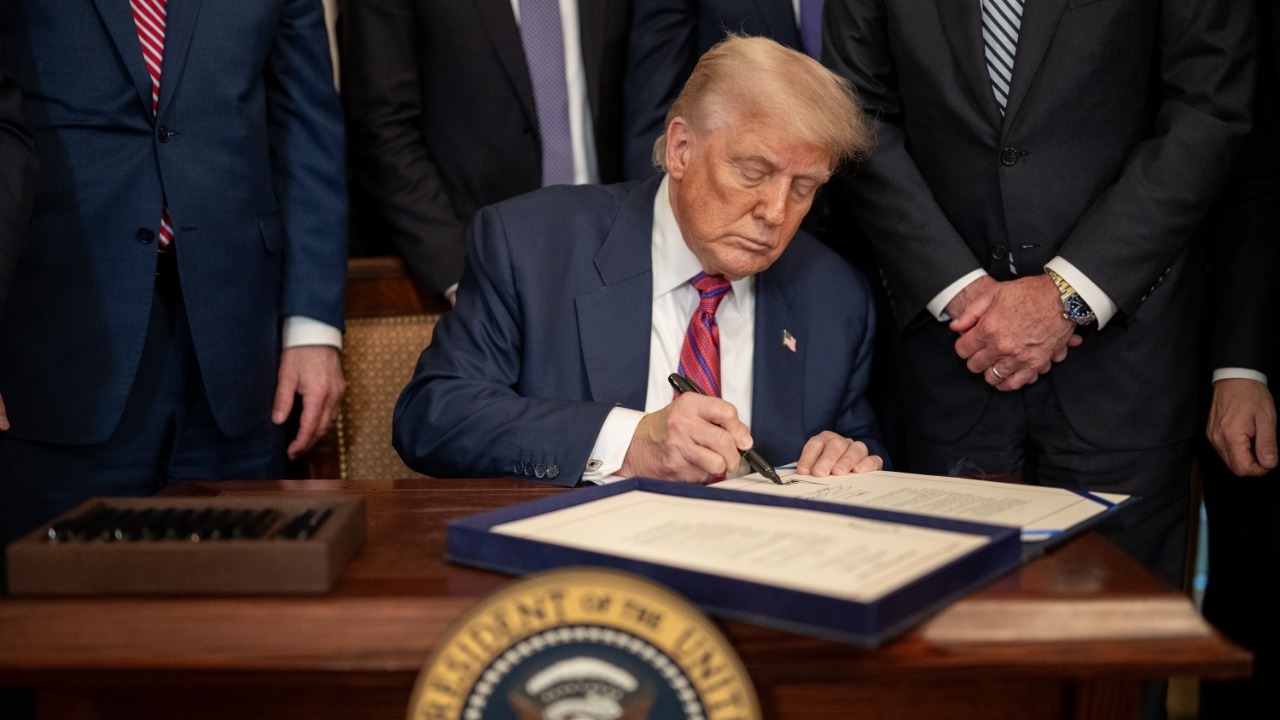
President Donald Trump has issued an executive order that significantly expands the investment options available in 401(k) retirement plans. This order allows for the inclusion of cryptocurrencies, private equity, and other alternative assets like real estate. The move aims to redefine retirement investing for American workers by introducing high-risk assets into employer-sponsored plans. Key GOP lawmakers have expressed support for this initiative, viewing it as a step towards modernizing retirement savings options in response to evolving financial markets. The policy shift could have a profound impact on how individuals build long-term savings, offering both opportunities and challenges.
Details of Trump’s Executive Order

The executive order issued by President Trump marks a historic shift in retirement planning by permitting 401(k) plans to include cryptocurrency as an investment option. This is the first time such digital assets have been allowed in standard retirement vehicles, reflecting a broader acceptance of crypto in mainstream finance. According to Yahoo Finance, this inclusion is part of a broader strategy to diversify retirement portfolios and potentially enhance returns, although it also introduces significant volatility.
In addition to cryptocurrencies, the order allows for the integration of private equity funds into 401(k) portfolios. This move is part of Trump’s push to incorporate illiquid assets into everyday retirement savings structures. As noted by Investopedia, private equity investments can offer higher returns but come with increased risks and liquidity challenges, particularly for retirees nearing withdrawal age.
The executive order also broadens the scope of 401(k) plans to include real estate and other alternative assets. This expansion goes beyond traditional stocks and bonds, offering potentially higher-yield options. However, as highlighted by Morgan Lewis, these options are often more volatile, which could redefine asset allocation strategies for long-term growth.
Political Support and Legislative Backing

The executive order has garnered strong support from key GOP lawmakers, who have publicly backed the inclusion of crypto and alternative assets in 401(k) plans. According to Fox Business, these lawmakers view the order as a pro-innovation stance that aligns with broader Republican priorities on financial deregulation. They argue that expanding retirement investment choices is essential for adapting to modern financial landscapes.
This policy shift aligns with the Republican agenda of reducing regulatory barriers and promoting financial innovation. As reported by PBS, GOP lawmakers have emphasized the importance of offering diverse investment options to empower individuals in managing their retirement savings. However, the order’s timing in 2025, following a presidential election, may invite bipartisan scrutiny and debate over its long-term implications.
While the executive order has received significant support from Republican lawmakers, potential challenges could arise from bipartisan reactions. As Investopedia notes, some critics may question the risks associated with introducing high-volatility assets into retirement plans, especially for individuals nearing retirement age.
Implications for Retirement Savings

The inclusion of private equity in 401(k) plans presents both opportunities and risks for retirement savers. On one hand, it offers a chance to diversify portfolios and potentially achieve higher returns. However, as Investopedia points out, these investments also introduce liquidity risks, which could be problematic for retirees who need to access their funds.
Cryptocurrency investments in 401(k) plans could significantly boost returns, given the high growth potential of digital assets. As reported by Yahoo Finance, the executive order makes digital assets more accessible to mainstream savers, potentially transforming how retirement portfolios are structured. However, the volatility of cryptocurrencies remains a concern for investors.
Real estate exposure in retirement accounts could redefine asset allocation strategies, offering a hedge against inflation and market volatility. According to Morgan Lewis, this shift could lead to long-term growth opportunities, although it requires careful consideration of market conditions and individual risk tolerance.
Risks and Considerations for Investors

Investing in cryptocurrency within 401(k) plans introduces significant volatility, as these assets are known for their unpredictable price swings. As noted by PBS, while the potential for high rewards exists, investors must be prepared for the inherent risks associated with digital currencies.
Plan sponsors face new regulatory hurdles and fiduciary responsibilities under the executive order’s guidelines for alternative assets like private equity. According to Fox Business, ensuring compliance with these new regulations is crucial to protect both sponsors and participants from potential legal and financial pitfalls.
For individual savers, balancing traditional investments with these new options requires careful planning and consideration. As highlighted by Morgan Lewis, the executive order empowers choice but does not endorse specific strategies. Investors must assess their risk tolerance and financial goals to make informed decisions about incorporating these alternative assets into their retirement portfolios.

Nathaniel Cross focuses on retirement planning, employer benefits, and long-term income security. His writing covers pensions, social programs, investment vehicles, and strategies designed to protect financial independence later in life. At The Daily Overview, Nathaniel provides practical insight to help readers plan with confidence and foresight.

