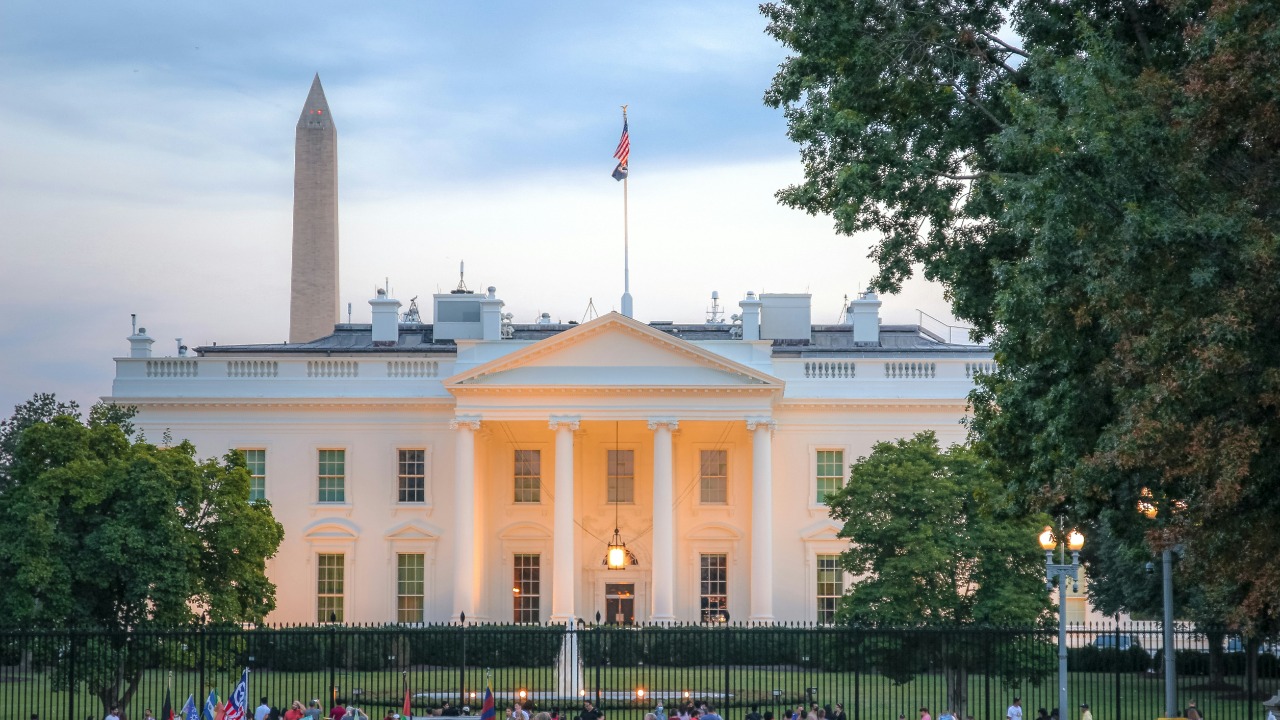
The Trump administration is signaling that banks may soon unveil a new kind of plastic branded as “Trump cards,” a proposal that fuses the White House’s populist credit card push with its broader fight over access to financial services. The idea lands at a moment when President Donald Trump is pressuring lenders on interest rates and accusing them of shutting out both conservative customers and lower income borrowers. Whether these cards ever materialize, the administration is already using the prospect as leverage in a high stakes clash with Wall Street.
The White House’s pitch for ‘Trump cards’
White House National Economic Council Director Kevin Hassett has emerged as the chief salesman for the concept, describing a voluntary program in which large banks would roll out special cards for borrowers who struggle to qualify under traditional underwriting rules. In public comments, he has framed the initiative as a way for big issuers to expand access to credit while heading off tougher regulation, signaling that he expects major institutions to explore a new product line that would sit alongside their existing portfolios of Visa and Mastercard accounts. According to one account of his remarks, Kevin Hassett has told audiences that he anticipates big banks will consider these cards as part of a broader reset of their relationship with the Trump White House.
Hassett has also taken the message to television, telling Fox Business that U.S. banks could voluntarily provide credit cards to underserved Americans who lack the income or credit history to justify standard credit lines. In that interview, he linked the potential “Trump cards” directly to President Donald Trump’s push to reshape the credit card market, casting the proposal as a way to reach Americans who feel locked out of mainstream finance. The branding is no accident, tying the president’s name to a product that the administration argues would symbolize a new era of inclusion in consumer lending.
A voluntary alternative to hard legislation
From the administration’s perspective, the voluntary nature of the “Trump card” concept is not a side detail but the central feature. Hassett has suggested that if banks step up with their own program, they could reduce the likelihood of Congress or regulators imposing stricter rules on card pricing and approvals. One detailed account of his comments describes how the White House National Economic Council director has argued that a cooperative approach would “lower the risk” of more aggressive legislation, positioning the cards as a compromise that gives lenders flexibility while still addressing political pressure over high rates and limited access. In that telling, the voluntary idea is meant to reassure banks that they can shape the outcome rather than simply absorb new mandates.
I see this as part of a broader pattern in which the Trump administration uses the threat of regulation as a bargaining chip to extract concessions from industry. By floating a branded card program instead of immediately pushing a bill through Congress, the White House is effectively telling banks that they can choose between a negotiated solution and a more rigid cap on interest rates. The “Trump card” label, in that sense, is as much about political signaling as product design, a way to show the president’s supporters that he is confronting the financial sector while still leaving room for Wall Street to protect its business model.
Credit card rate caps and Wall Street’s backlash
The backdrop to this maneuver is President Donald Trump’s campaign to cap credit card interest rates, a move that has alarmed major lenders. Earlier this week, President Donald Trump took to social media to endorse a cap on credit card APRs, arguing that Americans are being squeezed by high charges on everyday borrowing. That message has resonated with cardholders who have watched rates climb even as benchmark interest costs have fluctuated, and it has revived older debates about whether Congress should set a firm ceiling on what banks can charge. The administration’s allies have framed the cap as a straightforward consumer protection measure, insisting that lenders have enjoyed years of record profits from revolving credit.
Wall Street executives, however, are warning that the policy could backfire. One major bank told Our belief is that actions like a strict cap would have the exact opposite consequence to what the administration wants for consumers, arguing that lenders would respond by tightening approvals and cutting back on rewards. Other reporting notes that They also caution that popular perks like cash back, airline miles and extended warranties could be scaled back if profitability declines, which would change the economics of cards for millions of households who pay off their balances each month.
Criticism has not been limited to a single institution. Coverage of the reaction from More top Wall Street bankers describes a chorus of executives who say the cap would force them to pull back from riskier borrowers, potentially leaving subprime consumers with fewer options and pushing them toward payday lenders or buy now, pay later plans. Another analysis reports that Big banks are warning of a “significant” economic slowdown if the cap is implemented, arguing that reduced lending and lower fee income would ripple through everything from small business credit lines to consumer spending on big ticket items like 2026 SUVs and home appliances. In that context, the “Trump card” proposal looks like an attempt to give banks a way to show good faith without accepting a hard legal ceiling on rates.
From ‘debanking’ to fair access: the ideological throughline
The administration’s interest in a branded credit card product does not exist in isolation. It follows an earlier executive order titled “Guaranteeing Fair Banking For All Americans,” which set out a Section labeled “Purpose” that accused Financial institutions of engaging in unacceptable practices to restrict law abiding individuals’ and businesses’ access to services. That order targeted what conservatives call “debanking,” where accounts are closed or applications denied based on reputational risk or political considerations rather than clear violations of law. By directing agencies to crack down on politicized or unlawful debanking activities, the White House signaled that it sees access to checking accounts, loans and payment networks as a civil rights style issue.
Reporting on the same initiative notes that the Trump administration moved in Aug to eliminate “reputational risk” as a factor for denying banking services, with potential fines for banks that continue to use it as a justification. One detailed account explains that the executive order seeks to stop banks from quietly cutting off customers and leaving them uncertain about the circumstances, a concern that has been raised by conservative activists, firearms businesses and some religious organizations. I see the “Trump card” idea as an extension of that same worldview, recasting credit cards not just as a financial product but as a symbol of who is welcome in the formal economy and on what terms.
What ‘Trump cards’ could mean for consumers and banks
If banks do move ahead with a Trump branded card, the practical impact will depend heavily on the fine print. Hassett has suggested that the cards would be aimed at underserved Americans, which could include people with thin credit files, gig workers whose income is volatile, or borrowers who have recovered from past delinquencies. In his White House role, Kevin Hassett has tied the concept directly to the administration’s battle with banks over card rates, implying that lenders could use these products to demonstrate that they are expanding access rather than retreating from risk. For consumers, the key questions will be whether these cards come with lower APRs than typical subprime offers, whether fees are transparent, and whether the branding translates into any real protections.
More From The Daily Overview

Silas Redman writes about the structure of modern banking, financial regulations, and the rules that govern money movement. His work examines how institutions, policies, and compliance frameworks affect individuals and businesses alike. At The Daily Overview, Silas aims to help readers better understand the systems operating behind everyday financial decisions.

