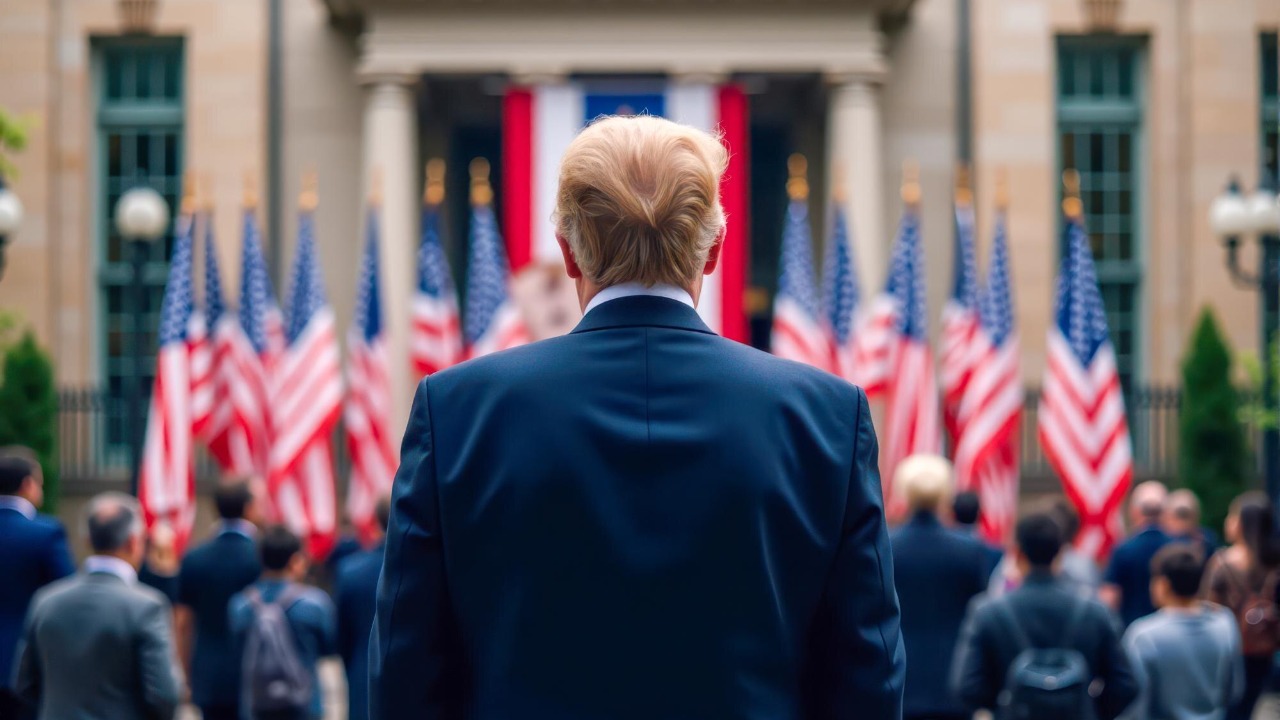
On November 14, 2025, the Trump Administration acknowledged that tariffs contribute to rising prices, a significant shift in policy stance amidst ongoing economic discussions. This admission was followed by President Trump’s own acknowledgment on November 15, 2025, where he conceded that his tariffs have indeed led to price increases. This development comes after his earlier admission on November 6, 2025, about the financial burden of tariffs on Americans, prompting the Administration to lift certain food tariffs to alleviate price pressures.
Trump’s Direct Admission on Tariff Impacts
President Trump, on November 6, 2025, made a notable admission regarding the financial impact of his tariff policies. He acknowledged the substantial costs these tariffs have imposed on American consumers, marking a departure from his previous stance. This admission included specific figures that highlighted the economic burden, though the exact numbers were not detailed in the available sources. This acknowledgment was a precursor to his statement on November 15, 2025, where he explicitly admitted that tariffs have led to increased prices for consumers. This admission was significant as it directly addressed the consumer effects, a topic that had been contentious in economic debates.
This shift in rhetoric represents a marked change from Trump’s earlier denials of the negative impacts of tariffs. Previously, the administration had maintained that tariffs were beneficial for the economy, despite mounting evidence to the contrary. The November 6 admission, where Trump finally conceded the true cost of tariffs, illustrates a policy evolution that aligns more closely with economic realities. This change in stance is crucial for understanding the administration’s current approach to trade policy and its implications for future economic strategies.
Administration’s Broader Acknowledgment
The Trump Administration’s official position on November 14, 2025, further solidified this shift by publicly admitting that tariffs raise prices. This admission was supported by internal memos and statements from spokespeople, indicating a coordinated effort to align the administration’s messaging with Trump’s personal admissions. This acknowledgment is part of a broader strategy to address economic challenges and recalibrate trade policies in response to domestic and international pressures.
Linking the administration’s admission to Trump’s personal statements underscores a unified approach to addressing the economic impacts of tariffs. This coordinated response suggests a strategic pivot in trade policy discussions, aiming to mitigate the adverse effects of tariffs on the economy. The verbatim language from the November 14, 2025, sources highlights the administration’s recognition of the need to adapt its economic strategies to better serve American consumers and businesses.
Rising Grocery Prices from Tariffs
Reports from November 15, 2025, have highlighted the tangible impact of tariffs on grocery prices, with specific examples of price increases for everyday items. These reports indicate that tariffs have directly contributed to higher costs for essential goods, exacerbating the financial strain on consumers. The data from these reports provide a clear picture of how tariffs have affected pricing trends, with significant increases noted in various grocery categories.
The analysis of pre-tariff and post-tariff grocery pricing trends reveals a stark contrast, underscoring the economic burden imposed by tariffs. The documented instances of Trump’s flip-flopping on tariff impacts, as reported on November 15, 2025, further illustrate the administration’s evolving stance on this issue. These reports provide critical insights into the real-world implications of tariff policies, highlighting the need for strategic adjustments to alleviate consumer burdens.
Policy Adjustments to Mitigate Price Increases
In response to the rising prices and public pressure, the Trump Administration took action on November 14, 2025, by lifting certain food tariffs. This move was aimed at easing price pressures and providing relief to consumers. The specific food categories affected by this tariff lift include staples such as dairy and produce, which are essential components of the average American diet.
The timing of this policy adjustment, in relation to the admissions on November 14 and 15, 2025, suggests a strategic effort to address the economic challenges posed by tariffs. This decision is expected to provide short-term relief for consumers, though the long-term effects remain to be seen. Expert reactions to the tariff lifts have been mixed, with some projecting potential reductions in inflation, while others caution about the broader economic implications.
Overall, the Trump Administration’s recent admissions and policy adjustments reflect a significant shift in its approach to trade and economic policy. By acknowledging the impact of tariffs on prices and taking steps to mitigate these effects, the administration is responding to both domestic and international pressures to recalibrate its economic strategies. This development marks a critical juncture in the ongoing debate over the role of tariffs in the global economy, with implications for future trade negotiations and economic policies.
More From TheDailyOverview
- Dave Ramsey warns to stop 401(k) contributions
- 11 night jobs you can do from home (not exciting but steady)
- Small U.S. cities ready to boom next
- 19 things boomers should never sell no matter what

Grant Mercer covers market dynamics, business trends, and the economic forces driving growth across industries. His analysis connects macro movements with real-world implications for investors, entrepreneurs, and professionals. Through his work at The Daily Overview, Grant helps readers understand how markets function and where opportunities may emerge.


