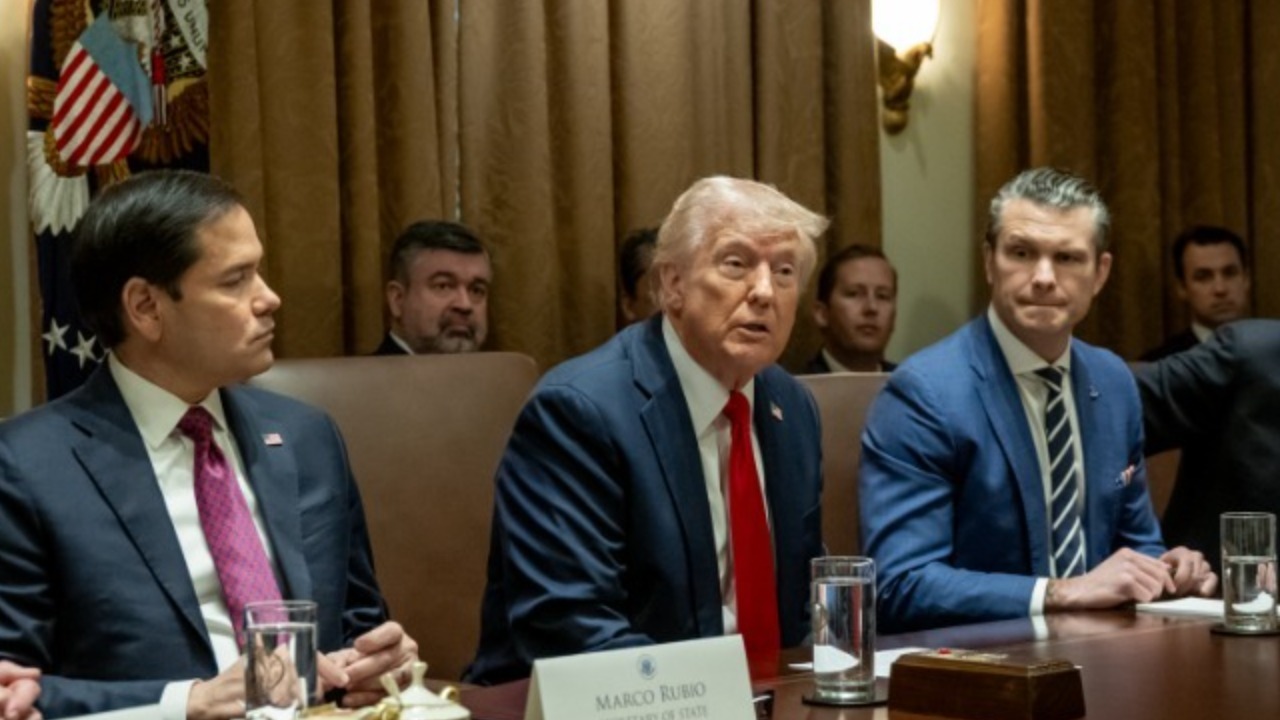
President Donald Trump has thrown a political grenade into the credit-card business, calling for a sharp, temporary ceiling on how much interest lenders can charge. The move, framed as a one-year emergency measure, could reshape how millions of Americans borrow, spend and manage debt if it ever becomes reality. It also pits the White House against major banks and card issuers at a moment when household budgets are already stretched by high borrowing costs.
At its core, the proposal is simple: cap credit-card interest at 10 percent for a year and force lenders to give consumers a break. The implications are anything but simple. From legal questions about how such a cap could be imposed, to warnings about tighter credit and unintended consequences, the announcement has opened a new front in the fight over affordability and financial regulation.
What exactly Trump is proposing
President Donald Trump has publicly urged card issuers to slash the cost of borrowing by limiting credit-card interest rates to 10 percent for one year. In a message amplified on social media and in subsequent comments, he framed the idea as a direct response to what he describes as abusive pricing on revolving debt, where many cardholders now pay rates that can climb well above 20 percent. In a post on Truth Social, President Donald Trump signaled that he is cracking down on credit card companies and said the 10 percent ceiling should begin on Jan, presenting it as a straightforward way to give households immediate relief from high interest charges linked to everyday spending and emergency expenses, as highlighted in a widely shared video.
The president’s allies have echoed his argument that card companies have benefited from years of rising rates while consumers shoulder the burden, and that a temporary cap would rebalance that equation. U.S. President Donald Trump announced on Friday that he is calling for a one-year cap on credit card interest rates at 10 percent, a message that quickly circulated among supporters and critics in online forums, including a post that cited his push for a low-interest-rate cap and drew comments from users like Peter Dion and Jim Stone who debated whether the move goes far enough, according to a Facebook discussion.
How the plan landed on Wall Street and in Washington
Financial institutions have not embraced the idea. Banks that dominate the card market argue that a hard 10 percent ceiling would upend the economics of unsecured lending, where default risk is higher than on products like mortgages or auto loans. Reporting on the administration’s outreach shows that banks balked as Trump pushed for a 1-year, 10 percent cap on credit card interest rates, with industry voices warning that such a move could force them to pull back on credit lines, tighten approvals and reduce rewards programs that are funded in part by interest income, according to detailed accounts linked through banks balk.
Inside Washington, the reaction has been just as complicated. The White House did not respond to questions about how the president seeks to cap the rate or whether he has spoken with regulators or lawmakers about the legal path to impose such a limit, leaving open whether this is a policy blueprint or more of a political marker. Coverage of the internal response notes that The White House has so far declined to spell out the enforcement mechanism, even as Trump’s team continues to spotlight the 10 percent figure as a symbol of his affordability agenda, a tension captured in reporting that cites the administration’s silence on implementation details in White House briefings.
Why Trump is targeting credit-card rates now
The timing of the announcement is not accidental. Households have been squeezed by higher borrowing costs across mortgages, auto loans and personal loans, and credit-card balances have climbed as families lean on plastic to cover rising prices for groceries, rent and medical bills. Trump has repeatedly tried to channel those affordability concerns, and his latest move fits that pattern: Trump calls for a 10 percent cap on credit card rates in his latest appeal to affordability concerns, a message that explicitly links high card rates to broader frustration with the cost of living and positions him as taking the side of borrowers against large financial institutions, as described in a detailed account.
There is also a political logic to focusing on credit cards rather than more complex financial products. Card rates are visible on every statement, and many consumers know they are paying far more than 10 percent on their balances, which makes the proposed cap easy to understand and, for some, immediately appealing. Trump has urged credit card companies to slash interest rates to 10 percent for one year, casting the move as a test of whether lenders are willing to share the burden of high rates with their customers and arguing that a temporary cut would give families breathing room without permanently rewriting the rules of the financial system, a framing that appears in coverage of his push to have companies voluntarily adopt the lower rate in public remarks.
What it could mean for cardholders’ wallets
If a 10 percent cap actually took effect, the impact on individual cardholders would be dramatic. Many popular cards currently charge variable annual percentage rates that can top 25 percent, especially for borrowers with weaker credit scores or those who have missed payments. Trump’s proposal to push a 10 percent cap on credit card interest rates and banks has been framed as a way to cut those charges by more than half for some users, potentially saving hundreds of dollars a year for households that carry balances, according to personal finance coverage that breaks down how a one-year cap would filter through to monthly bills in consumer analyses.
Yet the same reporting underscores that not every cardholder would benefit equally, and some might find it harder to borrow at all. By Seung Min Kim and Ken Sweet, The Associated Press has noted that Trump pushes a 1-year, 10 percent cap on credit card interest rates and banks balk, with experts warning that issuers could respond by cutting credit limits, closing inactive accounts or tightening underwriting standards, which would hit subprime borrowers first and could push some people toward more expensive forms of credit like payday loans, as described in coverage that tracks how banks might adjust their risk models in banks balk.
The big unanswered questions and the political stakes
The most immediate question is how, or even whether, the administration can turn this announcement into binding policy. Credit-card interest rates are shaped by a mix of federal law, state usury limits and market competition, and there is no clear, existing authority that lets the president unilaterally impose a nationwide 10 percent ceiling on private lenders for a fixed period. Trump has urged credit card companies to slash interest rates to 10 percent for one year, but even sympathetic observers acknowledge that he can call for anything and that card companies will decide whether to comply unless Congress or regulators step in with new rules, a legal and political gap that is evident in reporting that details the limits of executive power over card pricing in rate debate.
Critics within the financial world have not been shy about their concerns. Billionaire investor Bill Ackman, who backed Mr. Trump in his 2024 campaign, called the idea a mistake and warned that an aggressive cap could shrink access to mainstream credit and drive some borrowers to turn to loan sharks, a stark phrase that underscores how even allies worry about unintended fallout from a blunt cap on pricing, as detailed in coverage of the Ackman critique. At the same time, Trump’s supporters argue that the political upside of confronting card companies is significant, casting the president as willing to fight for borrowers even if the legal path is uncertain, a narrative that has already become a centerpiece of his broader push on affordability and financial fairness.
More From TheDailyOverview

Silas Redman writes about the structure of modern banking, financial regulations, and the rules that govern money movement. His work examines how institutions, policies, and compliance frameworks affect individuals and businesses alike. At The Daily Overview, Silas aims to help readers better understand the systems operating behind everyday financial decisions.

