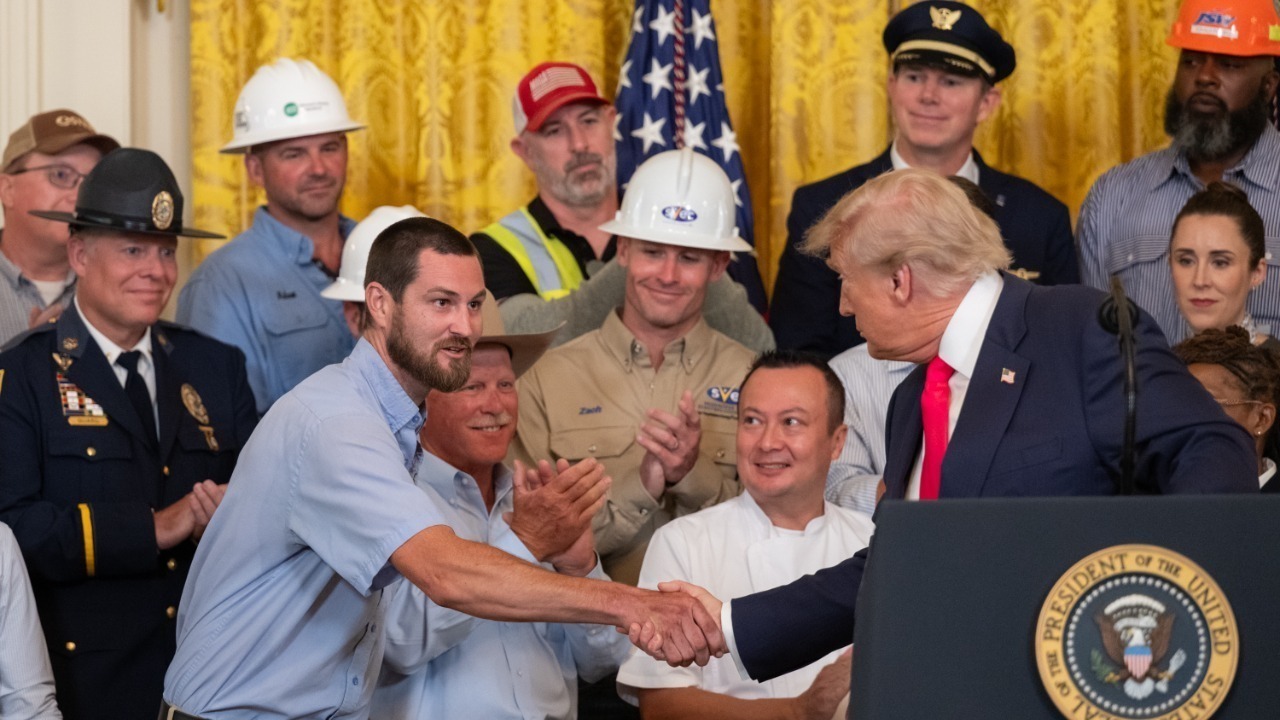
The Trump administration has made a notable shift in its staffing strategy by rehiring hundreds of federal employees after a period of extensive cost-cutting measures. This decision follows layoffs initiated by the Department of Government Efficiency (DOGE), which affected numerous positions across federal agencies. Announced on September 24, 2025, the rehiring aims to restore jobs and stabilize the workforce, marking a significant reversal in policy.
Background of the Cost-Cutting Blitz

The Department of Government Efficiency (DOGE) played a central role in implementing the layoffs that were part of a broader strategy to reduce federal expenditures and streamline operations. This initiative was designed to address budgetary constraints and improve efficiency within federal agencies. However, the approach taken by DOGE led to widespread job losses, affecting various departments and sparking significant debate about the effectiveness and impact of such measures.
According to AP News, the layoffs were a direct result of the administration’s efforts to cut costs and optimize government functions. The decision to reduce the workforce was met with mixed reactions, as some viewed it as a necessary step toward fiscal responsibility, while others criticized it for its potential to undermine essential services and operations.
Impact of the Initial Layoffs

The initial wave of layoffs led to significant disruptions within various federal agencies, affecting service delivery and employee morale. As reported by Berawang News, the reduction in staff numbers created challenges in maintaining the quality and efficiency of services provided by the government. The morale among remaining employees also suffered, as uncertainty and increased workloads became prevalent issues.
Critics of the layoffs pointed to the potential long-term effects on federal operations, particularly in key departments that were significantly impacted. The decision to let go of employees from crucial areas raised concerns about the government’s ability to fulfill its obligations effectively. The AP News highlighted that the layoffs sparked criticism and concern, emphasizing the need for a balanced approach to cost-cutting that does not compromise essential services.
Rehiring Process and Implementation

The Trump administration’s announcement on September 24, 2025, to rehire employees marked a significant reversal of previous policies. This decision was part of efforts to restore jobs and address the staffing shortages created by the initial layoffs. The rehiring process aims to stabilize the workforce and ensure that federal agencies can operate effectively and efficiently.
According to Al Jazeera, the rehiring initiative reflects a recognition of the challenges posed by the earlier cost-cutting measures. By bringing back laid-off employees, the administration seeks to mitigate the negative impacts on service delivery and employee morale. This move is seen as a necessary step to rebuild trust and confidence within the federal workforce.
The rehiring process involves a comprehensive review of the positions that were previously eliminated, with a focus on identifying critical roles that need to be filled to ensure the smooth functioning of federal agencies. This initiative is not just about reinstating former employees but also about reassessing the needs of each department to align with current operational demands. According to Al Jazeera, the administration is prioritizing roles that directly impact public services and those that are essential for maintaining national security and public safety.
Furthermore, the rehiring process is being implemented in phases to allow for a smooth transition and to minimize disruptions. This phased approach enables agencies to gradually reintegrate employees, providing them with necessary training and resources to adapt to any changes that have occurred since their departure. The administration is also working closely with union representatives to ensure that the rehiring process is fair and transparent, addressing any concerns that may arise from the workforce. This collaborative effort is aimed at rebuilding a robust federal workforce capable of meeting the nation’s needs effectively.
Reactions and Implications
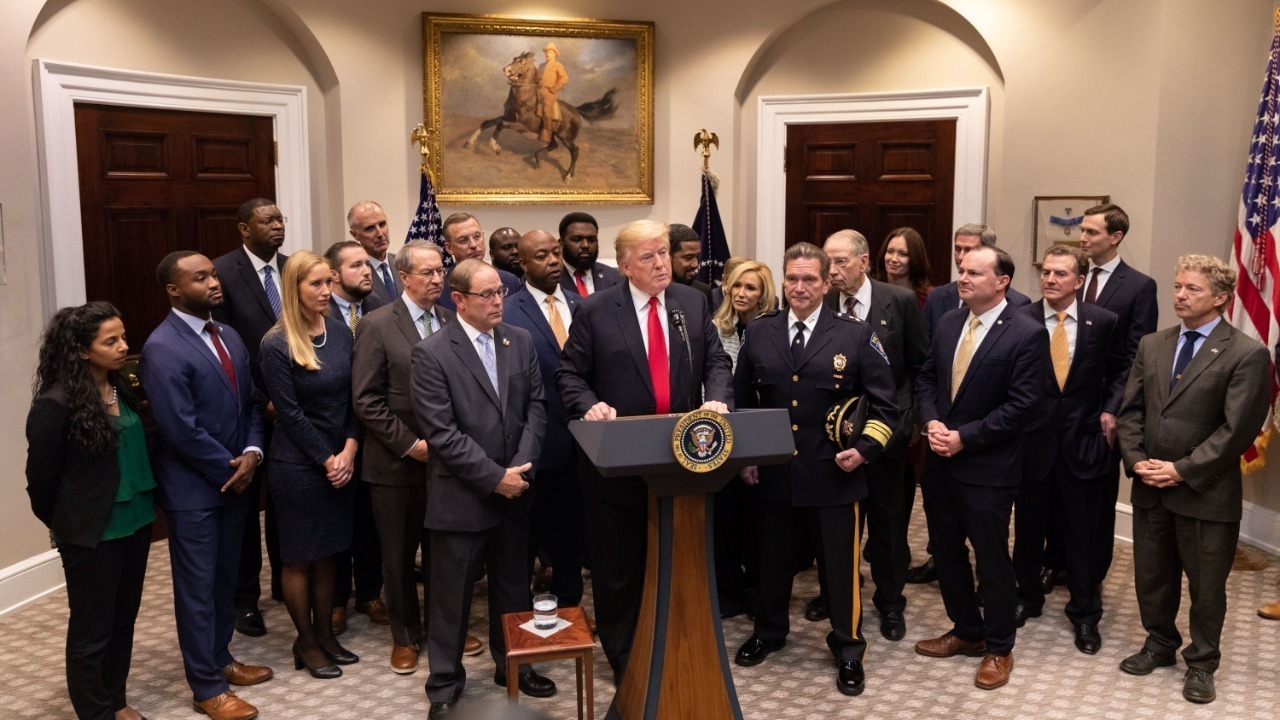
The decision to rehire has been met with mixed reactions from political analysts and public sector employees, highlighting differing opinions on federal budget management. Some view the rehiring as a positive step toward restoring stability and addressing the shortcomings of the initial layoffs. Others, however, question the administration’s approach to budget management and the implications for future policy decisions.
As reported by Newswav, the rehiring may influence future administrative strategies and policy decisions related to federal employment and budget allocation. The move underscores the importance of balancing cost-cutting measures with the need to maintain effective government operations. It also highlights the complexities involved in managing federal budgets and the potential consequences of drastic staffing changes.
The decision to rehire has sparked discussions about the broader implications for federal employment policies. Analysts suggest that this move could set a precedent for how future administrations handle workforce reductions and subsequent rehiring. As noted by Newswav, the administration’s approach highlights the challenges of balancing fiscal responsibility with the need to maintain a competent and motivated workforce. This balance is crucial for ensuring that government operations remain efficient and effective, particularly in times of economic uncertainty.
Moreover, the rehiring initiative may influence public perception of the administration’s commitment to job security and economic stability. By addressing the staffing shortages and restoring jobs, the administration is attempting to rebuild trust among federal employees and the public. This move also underscores the importance of strategic planning in government operations, emphasizing the need for policies that are adaptable to changing circumstances. The implications of this decision extend beyond immediate staffing concerns, potentially affecting future budget allocations and policy priorities in the federal government.

Grant Mercer covers market dynamics, business trends, and the economic forces driving growth across industries. His analysis connects macro movements with real-world implications for investors, entrepreneurs, and professionals. Through his work at The Daily Overview, Grant helps readers understand how markets function and where opportunities may emerge.

