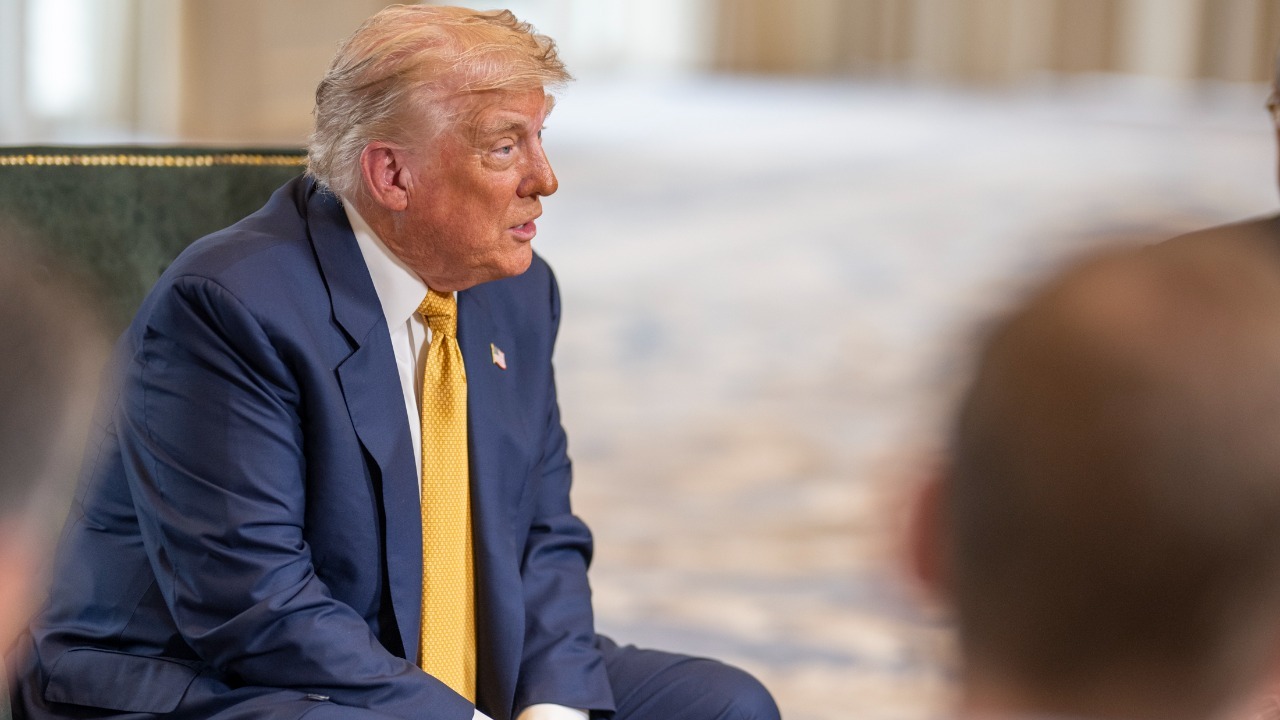
President Trump has taken a significant step to address rising grocery prices by signing an order to reduce tariffs on key food imports such as beef, coffee, and bananas. This move aims to alleviate the financial burden on American consumers by making these everyday essentials more affordable. The exemptions are part of a broader strategy to target specific goods without dismantling existing protectionist measures, following recent trade negotiations that facilitated these changes.
Details of the Tariff Reductions
The tariff reductions on beef imports are particularly noteworthy, as they directly target the escalating costs of meat in the U.S. market. The order includes percentage cuts on tariffs from major beef-exporting countries, which are expected to significantly lower the cost of beef for American consumers. According to Business Standard, these reductions are designed to stabilize meat prices, which have been a significant contributor to rising grocery bills.
In addition to beef, the tariff exemptions extend to coffee, focusing on specific types of beans and their countries of origin. This measure aims to stabilize the cost of coffee, a staple in many households. As reported by MSN, the exemptions are expected to benefit consumers by reducing the price of coffee, which has been subject to fluctuations due to previous trade policies.
The reductions on banana tariffs are also significant, as they affect tropical fruit suppliers and are expected to streamline the supply chain for grocery retailers. This move is anticipated to bring immediate benefits to consumers by lowering the cost of bananas, a common fruit in American diets. According to Finance Yahoo, these changes are part of a targeted approach to reduce grocery prices without fully reversing existing trade policies.
Context of Trade Negotiations
The recent trade talks that led to the rollback of tariffs on coffee and beef involved key international partners and were instrumental in reaching a compromise that balances domestic and international interests. As detailed by Straight Arrow News, these negotiations addressed broader U.S. import concerns, with the exemptions emerging as a strategic solution to mitigate inflationary pressures while maintaining essential trade relationships.
These discussions were crucial in shaping the current tariff policy, as they allowed for a nuanced approach that targets specific goods without dismantling the broader protectionist framework. The exemptions on coffee and beef, in particular, reflect a careful consideration of both consumer needs and international trade dynamics, ensuring that the U.S. remains competitive while addressing domestic economic challenges.
Expected Impact on Consumers
The impact of lower tariffs on beef is expected to be substantial, with projections indicating a potential reduction in grocery prices by significant percentages based on import volume data. This is particularly important for consumers who have been facing rising costs for meat products. As noted by Business Standard, the tariff cuts are designed to alleviate financial pressure on households by making beef more affordable.
Similarly, the potential for coffee price drops in retail settings is promising, especially in light of current trends of rising grocery prices. The exemptions are expected to lead to consumer savings, as reported by MSN. This could provide much-needed relief for households that rely on coffee as a daily staple.
The effects of banana tariff cuts are also expected to be felt in fruit aisles, with potential benefits for low-income families who are particularly sensitive to price fluctuations. By reducing the cost of bananas, the exemptions aim to make this nutritious fruit more accessible to a broader segment of the population, as highlighted by Finance Yahoo.
Broader Policy Implications
These tariff exemptions fit into President Trump’s overall tariff strategy, which seeks to address inflation hotspots like food imports without fully reversing protectionist measures. This approach reflects a careful balancing act between maintaining domestic economic stability and engaging in international trade. As reported by Business Insider, the targeted exemptions are a strategic response to rising consumer prices, aiming to provide relief without compromising broader economic goals.
The reactions from trade partners and U.S. industries affected by these adjustments have been mixed, with some expressing support for the targeted approach while others raise concerns about the long-term implications. According to Straight Arrow News, the exemptions have been seen as a necessary compromise to address immediate economic challenges while maintaining essential trade relationships.
More From TheDailyOverview
- Dave Ramsey warns to stop 401(k) contributions
- 11 night jobs you can do from home (not exciting but steady)
- Small U.S. cities ready to boom next
- 19 things boomers should never sell no matter what

Grant Mercer covers market dynamics, business trends, and the economic forces driving growth across industries. His analysis connects macro movements with real-world implications for investors, entrepreneurs, and professionals. Through his work at The Daily Overview, Grant helps readers understand how markets function and where opportunities may emerge.


