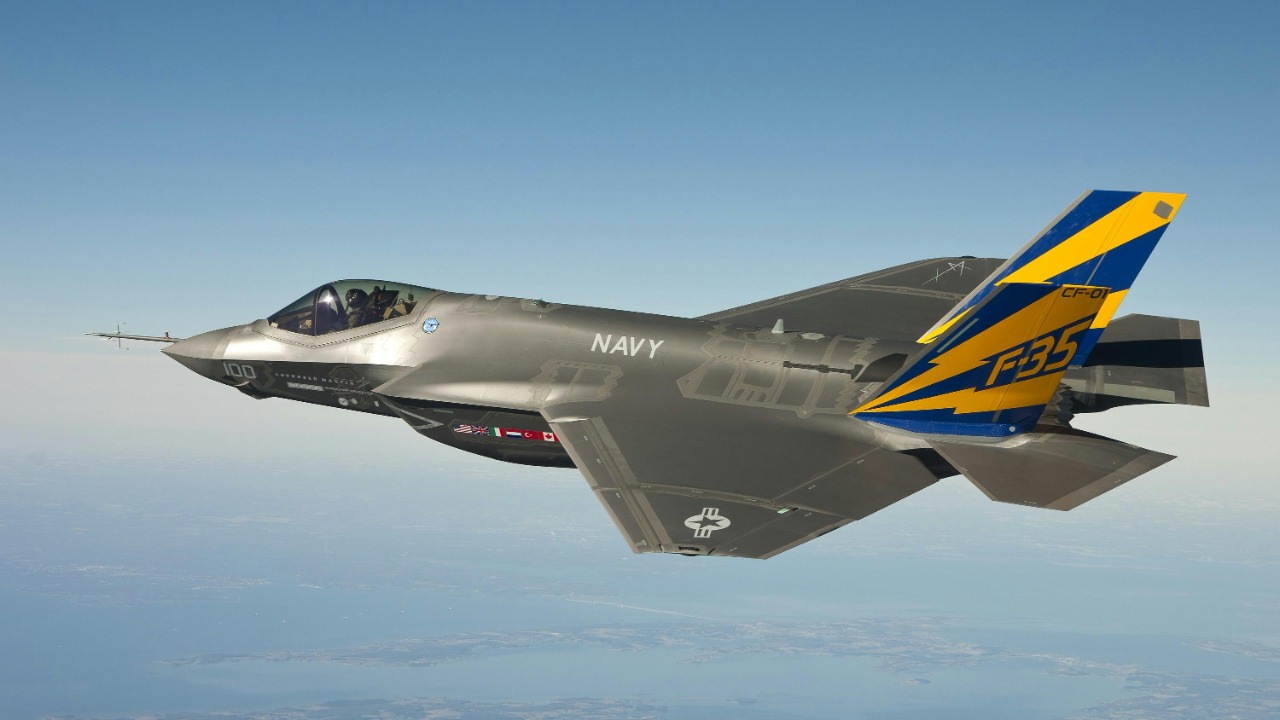
President Trump is actively considering the sale of F-35 fighter jets to Saudi Arabia ahead of Crown Prince Mohammed bin Salman’s upcoming visit to the White House. This potential defense deal, which has been under consideration since early November, could mark a significant shift in U.S.-Saudi relations. Despite warnings from Pentagon intelligence about possible technology leaks to China, the administration appears poised to advance discussions. This development underscores the complex balance between strategic alliances and national security concerns, elevating the upcoming meeting beyond routine diplomatic engagements.
Early Considerations in the Trump Administration
The Trump administration began exploring the possibility of selling F-35 fighter jets to Saudi Arabia as early as November 5, 2025. This initial consideration set the stage for more formal discussions in the weeks leading up to Crown Prince Mohammed bin Salman’s visit. The potential deal was initially framed as a significant opportunity for U.S. defense exports, with Lockheed Martin positioned as a key beneficiary. The F-35, known for its advanced stealth capabilities and cutting-edge avionics, represents a lucrative market for U.S. defense contractors, and Saudi Arabia’s interest highlights its intent to modernize its military capabilities.
During this early phase, the Trump administration’s efforts to strengthen military ties with Saudi Arabia were evident, although no immediate resolution was reached. The discussions were part of broader efforts to enhance U.S.-Saudi relations, reflecting a strategic interest in bolstering defense cooperation. However, the timeline for these discussions has accelerated significantly, with the Crown Prince’s visit now serving as a critical juncture for advancing the deal. This shift from initial consideration to active negotiation underscores the evolving dynamics of U.S.-Saudi defense relations.
Pentagon’s Security Concerns Over Tech Leaks
Pentagon officials have expressed significant concerns about the potential sale of F-35 fighter jets to Saudi Arabia, particularly regarding the risk of technology leaks. The F-35’s sensitive avionics and stealth features are considered highly valuable, and any compromise could have far-reaching implications for U.S. national security. Intelligence assessments have specifically flagged China as a primary concern, given Saudi Arabia’s growing economic and technological ties with Beijing. These ties could potentially facilitate inadvertent or deliberate transfers of advanced military technology.
Despite these warnings, the deal continues to advance, highlighting a shift from preliminary reviews to heightened scrutiny as the White House meeting approaches. The Pentagon’s concerns underscore the delicate balance between pursuing economic benefits through defense exports and safeguarding critical military technologies. As the administration weighs the potential risks and rewards, the outcome of these discussions could have significant implications for U.S. defense policy and its strategic alliances in the Middle East.
Saudi Arabia’s Push for the F-35 Fighters
Saudi Arabia has formally expressed its interest in acquiring F-35 fighter jets, viewing the purchase as a cornerstone of its efforts to modernize its air force amid regional threats. The Crown Prince’s visit to the White House is positioned as more than a standard diplomatic engagement, directly linked to advancing this major defense deal. Saudi officials are reportedly leveraging the trip to address U.S. hesitations and build on earlier administration interest to secure approval for the sale.
The acquisition of F-35s is seen as a critical component of Saudi Arabia’s broader defense strategy, aimed at enhancing its military capabilities in a volatile region. The potential deal also reflects the Kingdom’s desire to strengthen its strategic partnership with the United States, despite the complexities introduced by its growing ties with China. As the discussions progress, the stakes for both countries are high, with potential outcomes that could reshape U.S.-Saudi defense cooperation and influence the broader geopolitical landscape.
Geopolitical Implications and China Angle
The proposed sale of F-35 fighter jets to Saudi Arabia raises broader strategic questions for the United States, particularly regarding the Kingdom’s balancing act between American alliances and expanding relations with China. Pentagon intelligence highlights the risk that approving the deal could inadvertently bolster China’s access to advanced Western military technology through Saudi intermediaries. This dynamic reflects a shift from the initial mulling stage, where economic benefits were emphasized, to current debates prioritizing long-term security over immediate sales.
The geopolitical implications of this potential deal are significant, as it could influence the balance of power in the Middle East and impact U.S. relations with both Saudi Arabia and China. The decision to proceed with the sale will require careful consideration of the potential risks and rewards, as well as the broader strategic objectives of U.S. foreign policy. As the administration navigates these complex dynamics, the outcome of the White House meeting could have lasting consequences for regional stability and global security.
Outlook for the White House Meeting
The upcoming White House meeting between President Trump and Crown Prince Mohammed bin Salman on November 15, 2025, is expected to center on finalizing or advancing the F-35 sale amid ongoing Pentagon reservations. Recent reporting portrays the discussions as pivotal, with potential outcomes that could reshape U.S.-Saudi defense cooperation. The time-sensitive pressures from the visit may override earlier tech-leak warnings, marking a key change from the administration’s initial cautious approach in early November.
As the meeting approaches, the stakes for both countries are high, with significant implications for their strategic partnership and regional security. The decision to proceed with the sale will require careful consideration of the potential risks and rewards, as well as the broader strategic objectives of U.S. foreign policy. The outcome of these discussions could have lasting consequences for U.S.-Saudi relations and the broader geopolitical landscape, highlighting the complex interplay between economic interests and national security concerns.
In conclusion, the potential sale of F-35 fighter jets to Saudi Arabia represents a critical juncture in U.S.-Saudi relations, with significant implications for regional stability and global security. As the Trump administration weighs the potential risks and rewards, the outcome of the upcoming White House meeting will be closely watched by stakeholders around the world. The decision to proceed with the sale will require careful consideration of the complex dynamics at play, as well as the broader strategic objectives of U.S. foreign policy.
More From TheDailyOverview
- Dave Ramsey warns to stop 401(k) contributions
- 11 night jobs you can do from home (not exciting but steady)
- Small U.S. cities ready to boom next
- 19 things boomers should never sell no matter what

Grant Mercer covers market dynamics, business trends, and the economic forces driving growth across industries. His analysis connects macro movements with real-world implications for investors, entrepreneurs, and professionals. Through his work at The Daily Overview, Grant helps readers understand how markets function and where opportunities may emerge.

