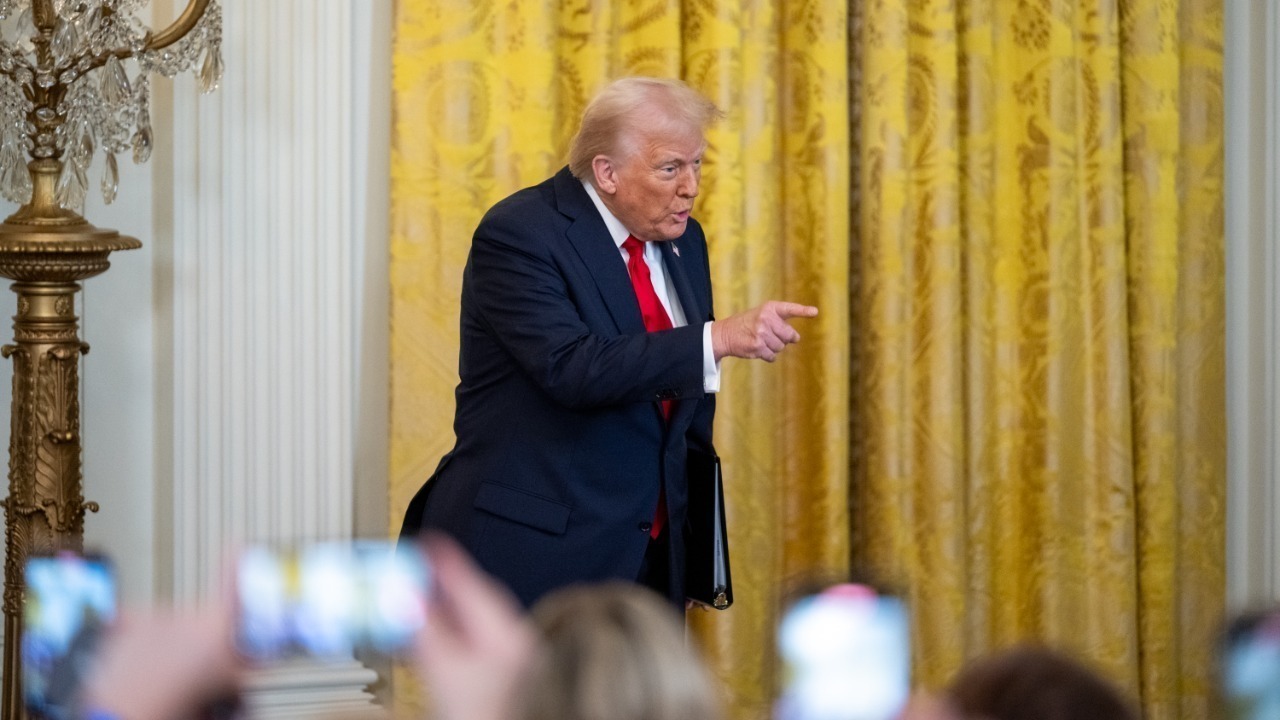
America’s housing crisis is now a defining test of economic policy, and President Donald Trump has placed himself at the center of the fight. He has moved aggressively to cheapen mortgages and sideline Wall Street investors, yet he has also signaled that he prefers rising home values and deep cuts to traditional housing aid. If he truly wants to fix affordability, the missing piece is a direct confrontation with state and local governments that keep new homes off the market.
The core challenge is simple: federal policy can flood the system with cheaper credit, but only states and cities control the zoning codes and permitting rules that decide how many homes actually get built. Without using Washington’s leverage to force those jurisdictions to allow more construction, Trump’s efforts risk inflating prices further instead of easing the squeeze on renters and first-time buyers.
The supply choke point states created
The most important fact about the housing crunch is that it is fundamentally a supply problem. Decades of restrictive zoning and local veto points have limited where apartments and starter homes can be built, especially near jobs and transit. One analysis points to Decades of rules that cap building heights, mandate large lots, and require costly parking, all of which push up land and construction costs.
Conservative housing advocates close to President Dona argue that the federal government is not helpless in the face of these local barriers. They highlight the massive regulatory burden weighing down homebuilders, from environmental reviews to design mandates, which makes it harder and more expensive to construct new homes. In their view, the White House should treat those state and local rules as a national economic threat and use federal dollars to force change.
Trump’s early moves: cheaper mortgages, tougher line on Wall Street
Trump has already shown he is willing to use executive power to reshape parts of the housing market. Earlier this year, the administration touted that the average 30-year fixed mortgage rate had fallen to multi-year lows, with officials saying this drop was driving monthly housing payments to their most affordable levels in years and helping more families achieve homeownership. Trump has also pressed Fannie Mae and Freddie Mac to buy more mortgage-backed securities in an effort to push borrowing costs even lower.
On the ownership side, President Donald Trump proposed a ban on corporate home purchases and ordered Fannie and Freddie to buy additional securities tied to single-family mortgages, moves his team framed as a way to give families a better shot at buying. He then signed a sweeping executive order, described by the White House as STOPPING WALL STREET FROM COMPETING with Main Street homebuyers, which aims to curb large investors from snapping up single-family houses.
A message that favors higher prices
At the same time, Trump has been unusually blunt about his preference for rising home values. In a televised appearance, he said he did not want to drive prices down because existing owners “feel like, you know, that They are wealthy people.” He pointed to data showing that Housing prices rose in November by 0.6% over the previous month and framed that as a sign of strength, not a warning sign for affordability.
Critics seized on those remarks, noting that the president became the first modern politician to openly say he wants to make homeownership more expensive, with one account stressing that he did not want to drive prices down and that this stance sparked a backlash in Jan. That tension sits at the heart of his housing agenda: cheaper mortgages and fewer Wall Street bidders can help some buyers, but if the White House is also cheering higher valuations, the net effect for renters and first-time purchasers is far less clear.
Using federal dollars to force state-level reform
The clearest path for Trump to square that circle is to use Washington’s financial leverage to pry open state and local housing markets. Conservative policy voices close to President Dona argue that the administration should tie federal transportation, infrastructure, and even housing grants to measurable progress on zoning reform, pointing to the When you increase the availability of money without increasing supply, prices rise rapidly. They say the only way to avoid that outcome is to force states to relax rules that block duplexes, accessory units, and mid-rise apartments.
Republican lawmakers have already floated the idea of using federal funding as a stick in other areas. One proposal, described by Feb reporting, would revoke federal funding to states over issues like child care and immigration policy, and Republicans have said it could also include incentives for low-income housing developers. Another account notes that Though the proposal has not yet been introduced as legislation, Republicans envision a mechanism to revoke funding from states that defy federal priorities. If Trump applied that same logic to exclusionary zoning, he could directly pressure governors and mayors to legalize more housing.
A budget that cuts aid while shifting power to states
Trump’s fiscal blueprint for housing points in a different direction, one that could either complement or undermine a crackdown on state-level barriers. According to a detailed Budget Overview of Changes to Federal Housing Programs, President Trump’s FY2026 plan Reduces rental assistance funding by about 43% and Consolidates the five largest federal rental assistance programs into a state-based system.
Housing groups warn that this shift could be devastating if it is not paired with strict pro-building conditions. One advocacy organization describes Proposed Cuts to key Programs, including Tenant–Based Rental Assistance, Public Housing, and Project-Based Rental Assistance, and warns that block granting rental aid to states without guardrails could leave the poorest renters exposed. If Trump wants to use this restructuring to fix the crisis rather than deepen it, he would need to condition every dollar on states legalizing more homes.
More From TheDailyOverview
*This article was researched with the help of AI, with human editors creating the final content.

Grant Mercer covers market dynamics, business trends, and the economic forces driving growth across industries. His analysis connects macro movements with real-world implications for investors, entrepreneurs, and professionals. Through his work at The Daily Overview, Grant helps readers understand how markets function and where opportunities may emerge.

