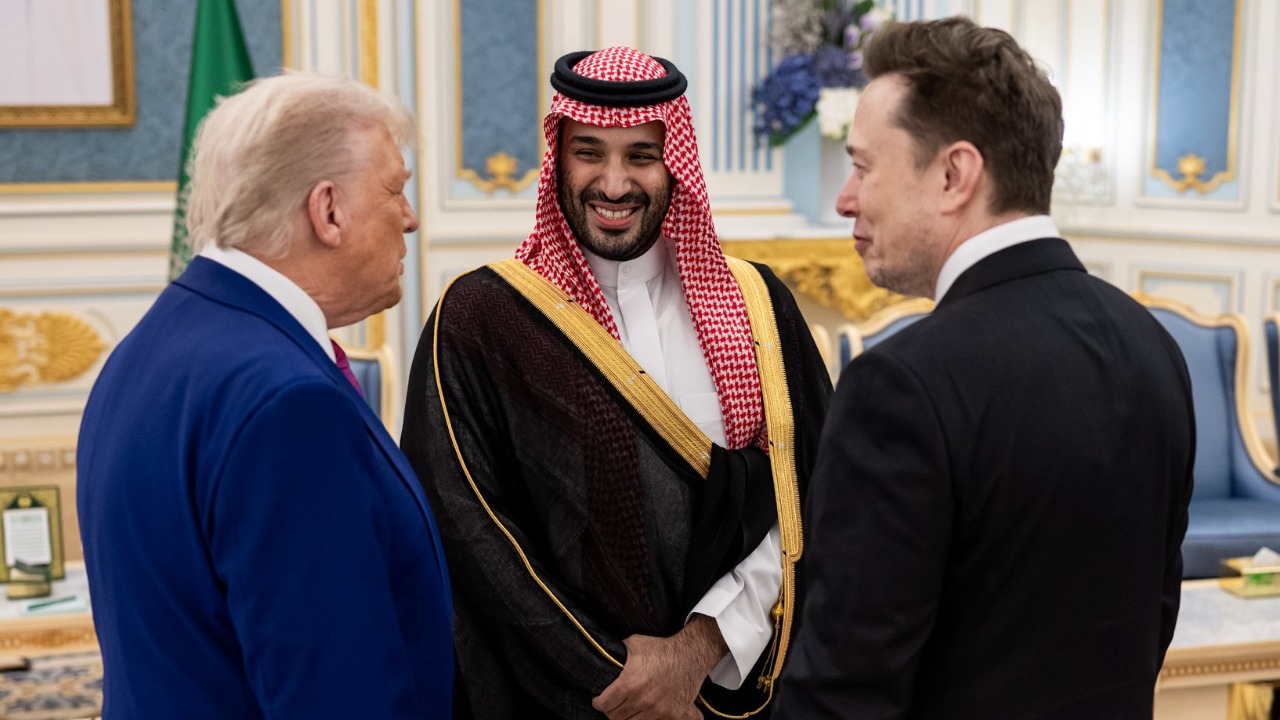
President Donald Trump recently addressed concerns that he might be targeting Elon Musk’s companies, such as Tesla and SpaceX, amid ongoing political tensions. Trump firmly denied these allegations, emphasizing that he wants Musk’s businesses to thrive. This article delves into the dynamics of Trump’s relationship with Musk and the implications for Musk’s enterprises.
Trump’s Recent Statements
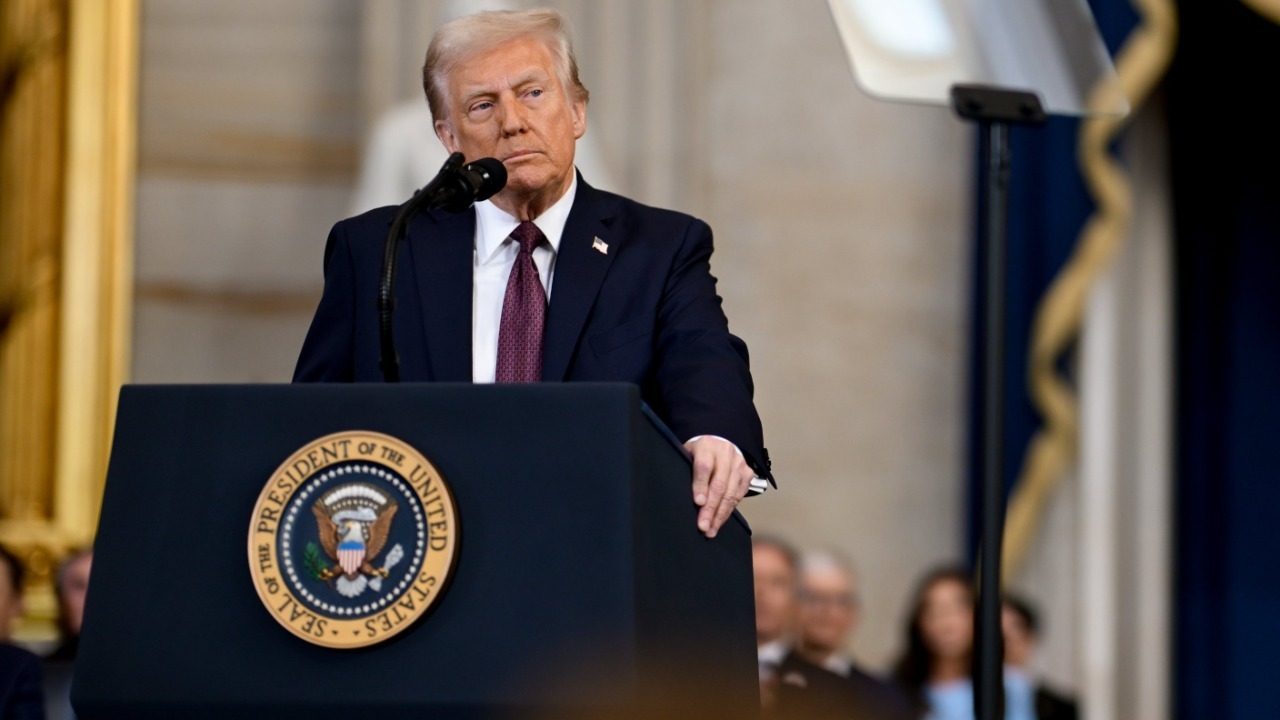
In a recent statement, President Donald Trump publicly denied any intentions of targeting Elon Musk’s companies. He stressed that he wishes for Musk’s enterprises to flourish more than ever. Trump’s comments come against a backdrop of speculation that he might be using his political influence to undermine Musk, a notion he categorically dismissed. By explicitly supporting Musk’s success, Trump seems to be attempting to quell any rumors of animosity or political maneuvering against the tech titan.
To understand Trump’s remarks, it is essential to consider the current political and economic landscape. In an era marked by partisan divides, tech companies are increasingly caught in the crossfire of political agendas. Trump’s denial is significant as it suggests a desire to maintain a positive relationship with influential tech leaders, despite potential ideological differences. His statements could be seen as an effort to bolster confidence among investors and stakeholders in Musk’s ventures.
The media’s interpretation of Trump’s comments has been varied. Some outlets view his statements as a strategic move to align with Musk’s growing influence in the tech world, while others see it as a mere deflection from potential policy implications. The diversity in media reactions highlights the complexity of the Trump-Musk dynamic, as well as the broader narrative surrounding tech entrepreneurship in volatile political climates.
The Trump-Musk Relationship
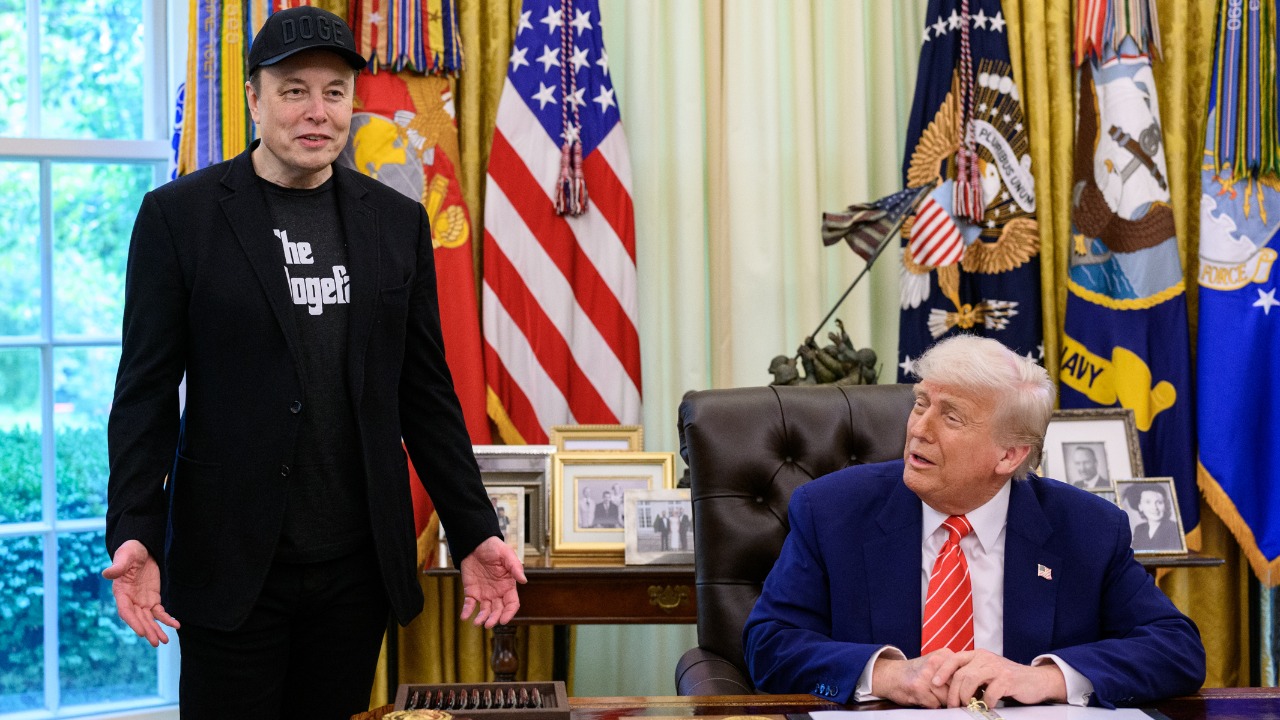
The relationship between Trump and Musk has been multifaceted, shaped by both collaboration and contention. Historically, Musk has been involved in numerous White House initiatives, including advising on manufacturing jobs and infrastructure during Trump’s first term. Despite occasional public disagreements, such as Musk’s opposition to Trump’s environmental policies, their interactions have often reflected mutual respect. This complex history adds layers to the current discourse, as past interactions might play a role in shaping future engagements.
Trump’s political interests often intersect with Musk’s business objectives, especially in sectors like energy, manufacturing, and space exploration. During Trump’s presidency, policies aimed at deregulating industries and promoting American innovation aligned with Musk’s goals for Tesla and SpaceX. However, divergences have also arisen, particularly in areas like climate change and international trade, where Musk’s global business interests sometimes clash with nationalist policies.
On a personal level, the rapport between Trump and Musk appears cordial, albeit pragmatic. Both figures are known for their outspoken nature and social media presence, which occasionally leads to public exchanges. While these interactions can be contentious, they also illustrate a shared understanding of the power of media narratives. This dynamic is critical in assessing how each intends to navigate the evolving political and economic landscapes.
Impact on Musk’s Companies
Investor sentiment towards Musk’s companies is closely tied to political developments. The perceived tension between Trump and Musk has sparked concern among stakeholders, as political pressures can significantly impact market performance. For instance, Tesla’s stock price has experienced fluctuations following news of regulatory challenges or political scrutiny, underscoring the sensitivity of Musk’s enterprises to external factors.
Operationally, any political tension can lead to increased regulatory scrutiny for Musk’s companies. Regulatory bodies might impose stricter compliance measures, impacting the operational efficiency of Tesla, SpaceX, and other ventures. Additionally, government contracts and subsidies, crucial for companies like SpaceX, could become areas of contention if political relationships sour.
Looking ahead, the future trajectory of Musk’s businesses in light of Trump’s comments remains uncertain. While Trump’s denial of targeting Musk’s companies may offer some reassurance, the broader political climate continues to evolve. As such, Musk’s strategic adaptability will be crucial in navigating potential challenges and capitalizing on opportunities in a post-Trump political landscape.
Broader Political and Economic Implications
The regulatory environment surrounding Musk’s companies is heavily influenced by political dynamics. Trump’s recent denial and the accompanying media discourse could sway regulatory policies, potentially easing or tightening restrictions on tech companies. This influence is particularly pertinent in areas like environmental regulations and antitrust scrutiny, where political agendas can directly impact business operations.
Within the tech industry, reactions to the Trump-Musk situation vary. Some business leaders view it as a cautionary tale of the intricate relationship between politics and technology, while others see it as a testament to the resilience and influence of tech entrepreneurs. The situation underscores the importance of strategic alliances and adaptability in navigating political landscapes.
On a global scale, the Trump-Musk dynamic holds geopolitical significance. As nations compete for technological supremacy, the interplay between political leaders and tech magnates becomes increasingly vital. The Trump-Musk relationship exemplifies the challenges and opportunities inherent in this dynamic, particularly in areas like space exploration and renewable energy, where international collaboration and competition are critical.
Public Perception and Media Narratives
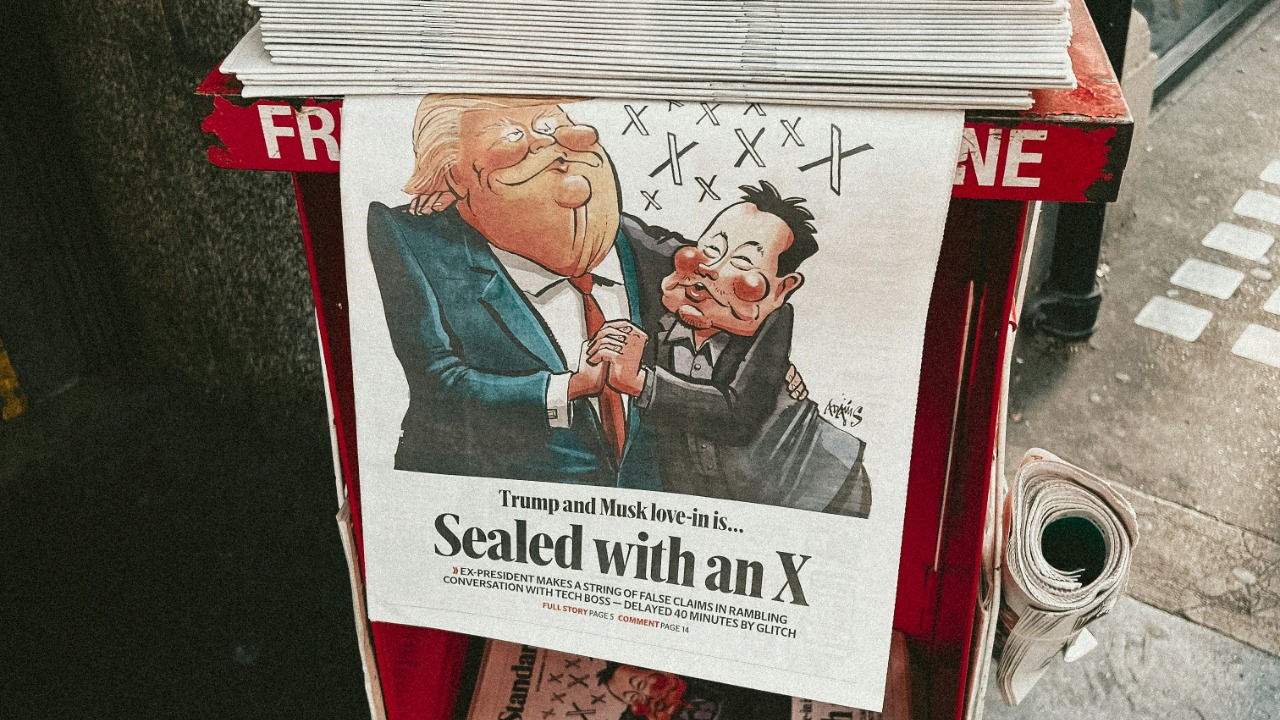
Media narratives play a pivotal role in shaping public opinion on the Trump-Musk relationship. Coverage of Trump’s denial and the ensuing discourse influences how the public perceives both figures and their respective enterprises. The media’s portrayal can either amplify or mitigate tensions, affecting investor confidence and public sentiment.
Social media platforms further complicate the narrative by providing a space for rapid dissemination and amplification of information. Both Trump and Musk are adept at utilizing social media to engage with their audiences, creating a dynamic where public perception is continuously shaped and reshaped. This influence extends beyond immediate events, contributing to the long-term reputational landscape for both figures.
The potential long-term impact on the reputations of Trump and Musk is significant. As public figures, their actions and statements are scrutinized, with implications for their legacies and business interests. Navigating the complexities of public perception and media narratives will be crucial for both in maintaining their influence and achieving their respective objectives.

Grant Mercer covers market dynamics, business trends, and the economic forces driving growth across industries. His analysis connects macro movements with real-world implications for investors, entrepreneurs, and professionals. Through his work at The Daily Overview, Grant helps readers understand how markets function and where opportunities may emerge.