Foreign holidays to New York or Los Angeles now come with a new kind of packing list: passport, return ticket, and five years of social media history. Under President Donald Trump, the United States is knitting together expanded online screening of visitors with a broader system of “continuous vetting,” turning once-routine tourism into an ongoing background check that can follow travellers long after they clear customs.
The shift reaches deep into the digital lives of people who have never set foot in the country before, and it does not stop when they leave. What began as a Trump-era push to demand social media handles from visitors is evolving into a standing review of posts, likes, and connections that can shape who gets on a plane, who is turned away at the border, and who loses the right to return.
From optional handles to mandatory history
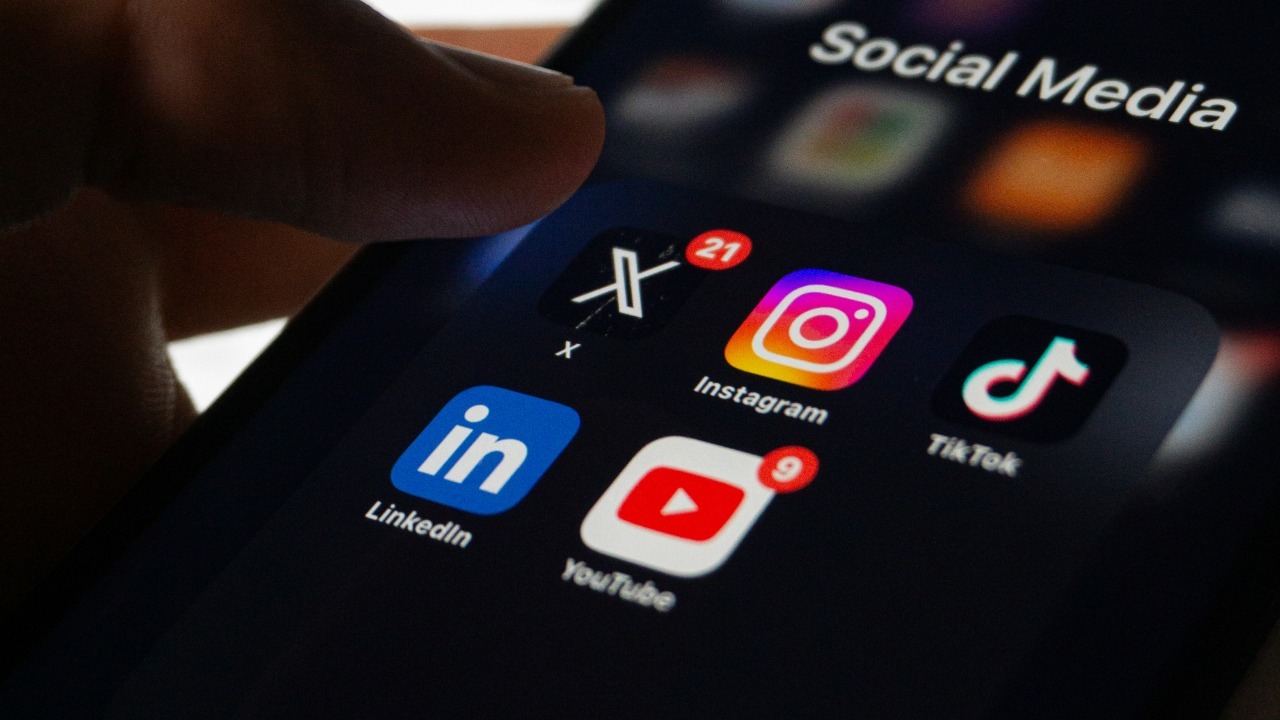
The core change is simple but sweeping: tourists are no longer just asked whether they have social media accounts, they are being told to hand over a detailed record of their online activity. President Donald Trump has implemented a requirement that some tourists provide their social media history from the past five years, turning what used to be a voluntary disclosure into a formal condition of entry for selected travellers, according to plans described in tourist screening rules. Officials frame the move as a way to spot security risks that might not appear in traditional databases, by scanning the public footprints people leave on platforms like Facebook, X, Instagram, and TikTok.
What began as a focus on higher risk countries is now reaching into the heart of the visa waiver system. Tourists from 42 countries that have long enjoyed streamlined travel to the United States will have to submit five years of social media history under a Trump plan that explicitly targets visitors who previously filled out only a short online form, according to reporting that spells out how Tourists from 42 countries are being pulled into the new regime. That expansion marks a decisive break with the old assumption that citizens of close allies could expect lighter scrutiny at the border.
Visa waiver allies pulled into ‘continuous vetting’
The most striking feature of the new approach is that it treats even low risk partners as subjects for ongoing monitoring. Citizens of nations conventionally considered low risk US allies, including those in the long standing visa waiver program, will soon have to provide information on their social media accounts as part of a system that folds travel applications into broader “continuous vetting,” according to detailed descriptions of how social media travel checks are being built. Instead of a one time background check, authorities are designing tools that can keep scanning posts and connections for months or years after a trip is approved.
Visitors from “visa waiver” countries who once breezed through online forms with basic biographical details are now being told to list their social media handles, a requirement that has been explained as part of a broader push by Trump in January 2025 to tighten digital screening of travellers, including those who previously faced minimal paperwork, according to an analysis of why Visitors from ‘visa waiver’ countries are being singled out. The logic is clear: if the United States is going to rely on automated risk scoring, it wants as much data as possible, even from tourists who once assumed their status as allies would shield them from intrusive checks.
How the five-year social media trawl works
Behind the policy headlines sits a practical question: what does it mean to hand over five years of social media history, and how is it used? Officials have signalled that travellers will be asked to list the platforms and account names they have used over that period, allowing automated systems and human reviewers to scan posts, photos, and networks for signs of extremist sympathies, fraud, or other red flags, a process that has been outlined in proposals explaining how US could ask tourists for their online history. The emphasis is on pattern recognition rather than single posts, which means even old jokes or long forgotten memes can be pulled into a risk profile.
Officials have also described a more aggressive model in which social media checks are not limited to the moment of application but are folded into a rolling review of travellers’ status. The new proposals mean travellers could be subject to repeated checks of their online activity, with authorities able to revisit posts and connections long after a visa is issued, a concept that has been linked directly to the idea of continuous vetting. In practice, that could mean a tweet posted months after a holiday in Miami becomes the trigger for a future denial of entry or even the cancellation of an existing visa.
From the arrivals hall to the database back end
The new rules are not just about what happens online, they are also reshaping the experience at airports and land crossings. Passengers from an international flight who once faced a quick passport scan and a few questions are now being filtered through systems that cross check their answers against social media data, watchlists, and other databases before they are even allowed to approach a border officer, a shift that has been described in detail as the United States looks to scour Forei tourists’ social media. The visible part of the process may still look familiar, but behind the scenes the decision to wave someone through or send them to secondary inspection is increasingly shaped by what they have posted online.
At the same time, the Trump administration is extending this logic far beyond short term visitors. In a written answer to a question from The Associated Press, the State Department said all U.S. visa holders, which can include tourists, students, and workers, are being reviewed for any violations that might affect their right to enter or stay in the United States, a sweeping effort described as the administration is reviewing 55 million foreigners with US visas. When social media data is folded into that process, a single post can become one more datapoint in a vast, constantly updated file that follows a traveller across multiple trips and visa renewals.
Civil liberties backlash and tourism fallout
Rights advocates and tourism operators are already warning that the new system risks chilling speech and deterring visitors. Critics have branded the Trump plan “Censorship pure and simple,” arguing that forcing visitors to expose years of social media activity will push people to self censor, scrub their accounts, or avoid travel altogether rather than risk misinterpretation of a joke, a political comment, or a family photo, a concern captured in a detailed critique of Censorship pure and simple. Tourism groups warn that the perception of intrusive digital surveillance could make the United States a less attractive destination, especially for younger travellers who live much of their lives online.
The concerns are not just abstract. Tourists to US would have to reveal five years of social media activity under a new Trump plan that would apply to countries whose citizens currently enjoy visa free entry, and the Plan would also sweep in details about family members, including children, according to reporting that lays out how Tourists to US are being asked to expose their private lives. Tourism officials warn that processing times for affected travellers could stretch from weeks into months or even years, especially for those from the 42 countries now pulled into the system, a risk that has been highlighted as CNN has reached out to the Department of Homeland Security, which oversees CBP, for comment on how the new checks will affect Tourists from 42 countries.
Even within the tourism industry, there is a sense that the policy is moving faster than the systems needed to implement it fairly. Tourists from 42 countries will have to submit five years of social media history to enter the United States under the Trump plan, and Cami, a traveller quoted in coverage of the rollout, described how the uncertainty around processing times and the fear of misreading a post could make people think twice about booking a trip, according to a report that spells out how Tourists, Trump, Cami are caught up in the new rules. For now, the United States is betting that the promise of security will outweigh the discomfort of digital exposure, even as the line between border control and everyday online life grows thinner with each new check.
More From TheDailyOverview

Grant Mercer covers market dynamics, business trends, and the economic forces driving growth across industries. His analysis connects macro movements with real-world implications for investors, entrepreneurs, and professionals. Through his work at The Daily Overview, Grant helps readers understand how markets function and where opportunities may emerge.